
Vandaag of morgen in huis

Kwaliteit gegarandeerd

Welkomstaanbiedingen ontgrendelen: GRATIS bezorging | Tot 80% korting | Gratis 30 dagen JoyPlus-proefperiode
Download de app
A seaweed snack can be a handy Chinese side dish, a spicy treat between meals, or an ingredient for soup and noodles. Yet sometimes the packaging looks more alike than the products themselves. A kelp snack, for example, might be ready to eat straight away, whereas dried wakame needs to be soaked and cooked first.
The main differences aren't just about flavour. You should also pay attention to the salt content, preparation method, allergens and the quantity per pack. That way, you can avoid buying a product that doesn't suit how you plan to use it.
The label often lists flavourings such as oil, sugar, soy sauce and salt. Marinated kelp and seasoned seaweed strips in particular can therefore have a significant salt content. By way of comparison, in the product information provided, the salt content ranges from approximately 3.29g to 8.5g per 100g, depending on the product.
So don't just look at the calories. Check the nutritional values per 100g and, where stated, per serving too.
A pack of dried wakame is intended as a cooking ingredient. Shiyuedaotian Wakame states that the product must be soaked, briefly blanched or cooked along with other ingredients before consumption. A ready-to-eat kelp snack, on the other hand, can be eaten straight from the packet.
Always check the usage instructions:
A multipack is handy if you regularly eat a spicy seaweed snack or want to take portions with you. For a first try, a pack of 70g to 106g may be more practical. Also pay attention to the shelf life after opening. Different products need to be kept refrigerated and consumed quickly.
Kelp is known for a firm, sometimes slightly crunchy or chewy texture. That makes kelp strips a good match for rice, noodles and hot dishes. Wakame generally has a softer texture once soaked and works well in soup, salad and hotpot.
Also check the order of ingredients. With Jixiangju Fragrant Braised Kelp, the product information states that the product consists of 89% salted seaweed. Chao Youwei Kelp Strips lists a minimum of 50% kombu seaweed. Wei Long Fengchi Kelp states 76% kelp. Percentages like these give a more objective picture than general terms on the front of the pack.
A plain seasoned kelp can taste mildly savoury, whereas mala indicates a combination of chilli and Sichuan pepper. Wild pepper refers to pickled chilli and gives a different flavour from a sweet and sour or garlic variety.
Look out for these flavour directions:
According to the brands' own product information, flavour descriptions such as “crispy”, “authentic” or “rich in umami” can vary from recipe to recipe. So use the ingredients list and preparation instructions as a reliable basis.
Before buying, check whether the product lists soya, wheat, mustard, fish, shellfish or sulphites. Jixiangju Mala Kelp Strips, for example, contains soya and wheat from soy sauce among other ingredients. Wei Long Fengchi Kelp lists soya and mustard. Jixiangju Fragrant Braised Kelp lists sulphites as an allergen.
Also pay attention to the packaging:
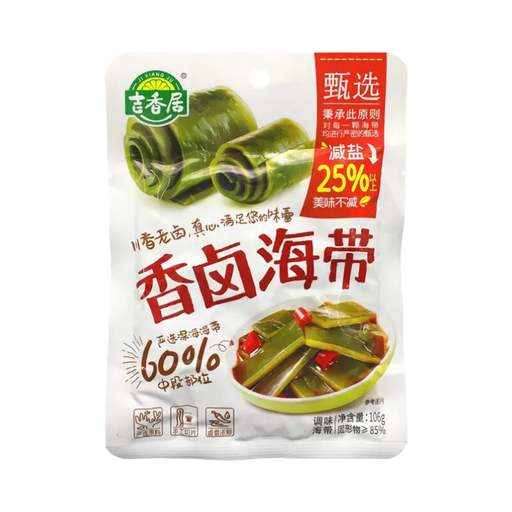
Why this fits the profile: A manageable portion for anyone wanting to try a ready-to-eat seaweed snack without buying a multipack straight away. According to the product information, the strips can be eaten straight away or combined with rice and noodles.
The product information states a net weight of 106g and a clear ready-to-eat application. This makes the difference from dried wakame immediately recognisable.
89% salted seaweed according to the label; 54 kcal and 3.73g salt per 100g.
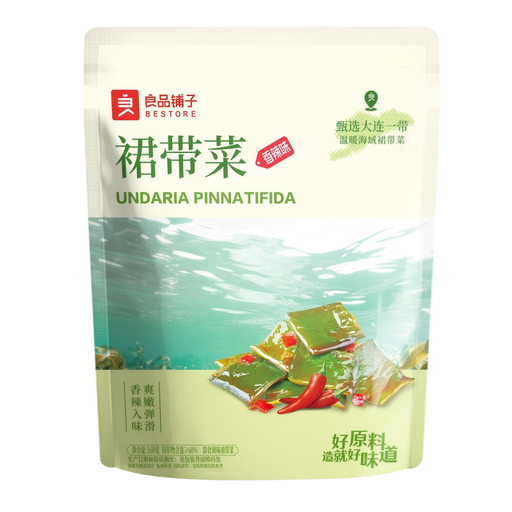
Why this fits the profile: Ideal for anyone specifically looking for wakame in a seasoned, ready-to-eat format. The product information states 80% salted wakame and a spicy flavour profile.
The label makes it clear that this is salted and seasoned wakame, not a neutral dried cooking product. Allergens such as soya and possibly fish are listed.
160g pack; 92 kcal per 100g; ready to serve as a snack or side dish.
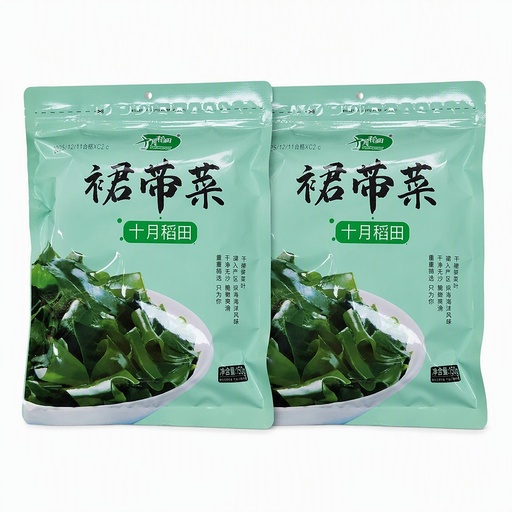
Why this fits the profile: A practical choice for anyone who regularly makes soup, salad, hotpot or stir-fry dishes and prefers to control the flavour themselves.
The preparation method is clearly stated: soak and, depending on the dish, blanch or cook along with other ingredients. So you're not buying a snack that unexpectedly needs preparing first.
Two packs of 150g; can be stored at room temperature when unopened; suitable for multiple cooking applications.
We've put together a full, up-to-date list of products that fully meet these strict selection criteria and comply with current European safety regulations.
That depends on the product. Marinated kelp, kelp strips and many spicy Asian snacks are labelled as ready to eat. Dried wakame must first be soaked and sometimes cooked. So always check the usage instructions on the pack.
Store an opened marinated product in the fridge, usually, and consume it within the time stated on the label. Some products explicitly state use within a few days, whereas dried wakame should be kept tightly sealed and dry after opening.
No. Kelp and wakame are different types of seaweed. Kelp is often processed into firm strips or a seasoned kelp snack. Wakame is widely used in soup, salad and hotpot, both dried and marinated. Choose kelp for a ready-to-eat snack texture and wakame when you want a versatile cooking ingredient.
