
Vandaag of morgen in huis

Kwaliteit gegarandeerd

Welkomstaanbiedingen ontgrendelen: GRATIS bezorging | Tot 80% korting | Gratis 30 dagen JoyPlus-proefperiode
Download de app
Looking for a crispy, savoury treat that's a little different? The seaweed snack, also known as a nori snack or seaweed crisps, has become a staple in the snack aisle. But with a growing selection from Korea, Japan, and Thailand, making a choice isn't getting any easier. Not every package delivers the promised crispy experience, and the term "healthy snack" can sometimes be misleading.
As a Product Recommendation Officer at Joybuy, I see a lot of products come and go. I'm here to help you see through the marketing jargon and make the right choice. Let's look at the two most common pitfalls when buying a seaweed snack.
To avoid a bad purchase, it's helpful to know what to look for. Check these two points on the label before you make a choice.
The foundation of your snacking experience is the texture. What you're looking for determines which type of product is best for you.
A quick look at the ingredients list tells you a lot.
To get you started, we've matched some popular choices with different preferences.
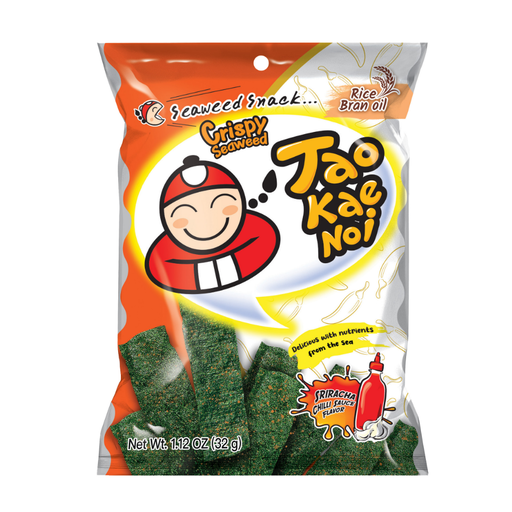
Why This Fits Their Persona: Perfect for those tired of standard flavours and looking for a snack with a spicy, sweet-and-sour kick. The recognisable taste of Sriracha adds a Thai twist to the classic nori snack.
The flavour is specific and pronounced. You know exactly what you're getting: the authentic Sriracha taste, not some vague 'spicy' seasoning mix.
Thin, crispy sheets that carry the spicy flavour well. Made by Taokaenoi, a well-known Thai snack brand.
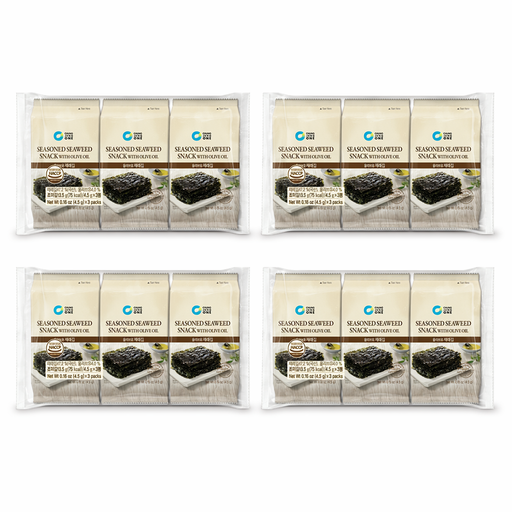
Why This Fits Their Persona: Ideal for those who pay attention to ingredients and portion size. This snack focuses on the basics: seaweed, oil, and salt, without unnecessary additives.
It bypasses the 'healthy snack' trap with a clear ingredients list and the use of olive oil. The small portion packs help with portion control.
Classic Korean seaweed snack with a pure flavour. The multipack of 12 portions is convenient for on-the-go or as part of a lunch.
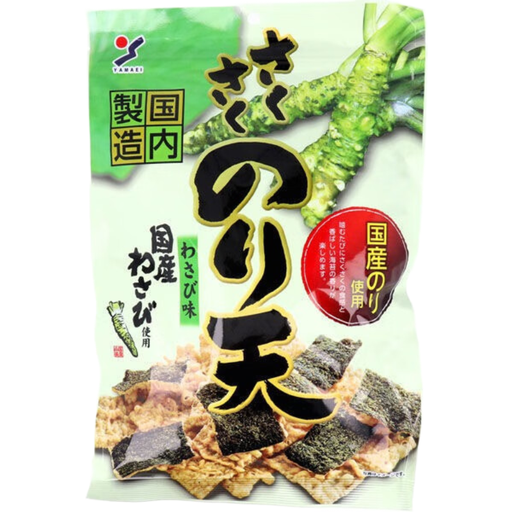
Why This Fits Their Persona: For those who find a thin seaweed sheet isn't enough. These Japanese snacks offer a serious crunch thanks to the tempura batter, comparable to a premium cocktail nut or cracker.
Directly addresses the 'texture disappointment'. The term 'crunchy' is no empty promise here; the tempura coating guarantees a firm, audible crispness.
A unique combination of umami from the seaweed and the sharpness of wasabi, wrapped in a light and crispy batter. A proper seaweed chip.
We have compiled a complete, real-time list of products that fully satisfy these strict selection criteria and UK safety regulations.
Moisture is the greatest enemy of crispy seaweed. Once opened, it's best to store the snacks in an airtight container or seal the packaging tightly with a clip. Keep them in a cool, dry place and preferably consume them within a few days to maintain optimal crispiness.
Not necessarily. It depends entirely on the ingredients and preparation method. A simple roasted nori sheet with olive oil and a pinch of salt is a lighter choice than a deep-fried seaweed crisp with lots of added sugars and flavour enhancers. The term "healthy snack" is relative; it's always wise to check the nutritional label for fat and salt content.
Although the lines are blurring, there are traditional differences. A Korean seaweed snack (known as gim) is often a thin sheet, roasted and flavoured with sesame oil and salt. Japanese snacks (nori) have more variety. Besides thin sheets, you'll also find thicker, deep-fried tempura styles (nori ten) and a wider range of seasonings, such as wasabi, teriyaki, and plum.
