
Vandaag of morgen in huis

Kwaliteit gegarandeerd

Welkomstaanbiedingen ontgrendelen: GRATIS bezorging | Tot 80% korting | Gratis 30 dagen JoyPlus-proefperiode
Download de app
A seaweed snack may seem simple at first: thin sheets, a little oil and some seasoning. But products can vary considerably in texture, portion size, salt content, allergens and how you use them. If you only look at the front of the pack, you could end up with a bag that quickly goes soft, is too spicy or consists mostly of oil and seasoning.
These tips will help you choose more confidently from Korean, Japanese and other Asian snacks.
A 4 or 5 g pack is handy for eating on the go, but the price per 100 g can be considerably higher than for a 30, 40 or 50 g pack. So compare more than just the selling price: check the net weight and the number of individual portions too.
A multipack may be more practical for work or school, while a larger bag could be a better choice if you also use the snack as a topping for rice, noodles or soup.
Roasted seaweed absorbs moisture quickly. As a result, crispy seaweed can go soft in no time, especially if the bag isn’t sealed properly. Individual portions help to avoid this. For larger packs, a good resealable closure is important.
Store the product according to the label, in a cool, dry place, away from sunlight, heat and moisture. Also check that the packaging is undamaged.
Wasabi, chilli, teriyaki and barbecue seasonings add flavour, but often come with extra ingredients too. Always check the ingredients list for sesame, soya, mustard and gluten, among other things. So a product sold as a Korean seaweed snack isn’t automatically suitable for every dietary preference.
Also look out for discrepancies between the product information and the packaging. The information on the pack takes precedence, especially for allergens, nutritional values and best-before dates.
Check how much seaweed the product contains and how it has been prepared. According to the product information, Bibigo Seaweed Snack Crispy Wasabi contains 53% seaweed and a blend of rapeseed, sesame, mustard and coconut oils, among other ingredients. Its wasabi flavour comes from a seasoned blend.
Sempio Crispy Seaweed Snack Hot Chili is described as being made using a non-fried preparation method. This is useful information when comparing different types of seaweed crisps or a roasted snack. The preparation method affects the snack’s texture and how much oil or batter is used.
For a quick snack break, 3 to 5 g packs are handy. Products such as Kimnori Seasoned Seaweed TERIYAKI come in 3 portions of 4 grams. This makes it easy to portion out and helps keep the rest of the pack sealed.
For regular use in the kitchen, sheets are more convenient. Delief Roasted Seaweed Sushi Nori contains 24 grams and is intended for sushi, rice balls and meals. Obento Yaki Nori contains 50 sheets with a total weight of 125 grams. This size is better suited to families, sushi nights or anyone who uses nori regularly.
Choose a flavour to suit the occasion:
A nori snack containing only seaweed and salt is a different purchase from one with oil, sugar, flavour enhancers or wheat flour. Taokaenoi Tempura Seaweed Original Flavor, for example, contains wheat flour, tapioca starch and palm oil. So check the full ingredients list, not just the flavour name.

Why it suits this profile: The three small portions are a good way to try the flavour of a Korean seaweed snack without opening a large pack straight away.
Individual packs limit exposure to moisture. Be sure to check the price per 100 g and whether sesame is listed as an allergen.
Sesame flavour, three individual portions and, according to the product information, gluten-free.
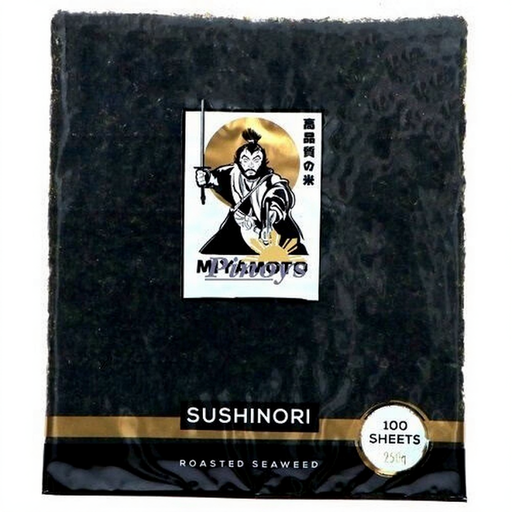
Why it suits this profile: If you regularly make sushi, kimbap, wraps or rice dishes, 100 sheets give you a generous supply to keep in the kitchen.
The large number of sheets means you won’t need small snack packs for every dish. Store the pack in a dry place and seal it tightly.
19 x 21 cm sheets, 100 per pack and, according to the product information, roasted seaweed with no allergens listed.

Why it suits this profile: The 50-gram pack is a good choice if you often serve a spicy snack or use seaweed alongside rice and other dishes.
The larger size may work out cheaper per gram than small portions. Seal the pack tightly after opening to help it stay crispy.
50 grams, a hot chilli flavour and, according to the product information, a non-fried preparation method.
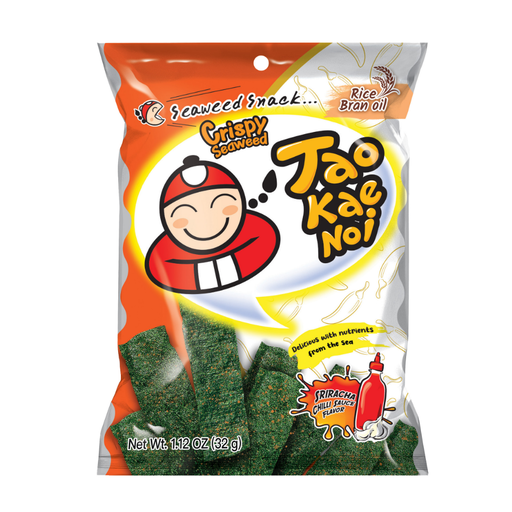
Why it suits this profile: This option is for anyone looking for a spicy, savoury Asian snack with a sriracha flavour, whether at home, on the go or at work.
The flavour description makes it clear that this is a boldly seasoned option. Check the ingredients for soya and sweeteners before ordering.
32 grams, a crispy texture according to the product description and suitable for vegetarians according to the product information provided.
We’ve put together a complete, up-to-date list of products that meet these strict selection criteria and the applicable European safety regulations.
Not always. Nori for sushi usually comes in larger sheets that are unseasoned or lightly roasted. A snack may be smaller, contain oil and seasoning, and be eaten straight from the pack. So check the intended use: sushi, snacking, topping or a combination of these.
Only open the pack just before you use it, then seal the rest in an airtight container. Store the product somewhere dry, away from a kettle, hob or damp cupboard. Individual packs are handy if you won’t eat the snack all at once.
At a minimum, compare the net weight, price per 100 g, seaweed content, seasonings, allergens and portion sizes. Small packs are practical for everyday snacking; larger sheets are often a better choice for sushi, rice and cooking. Finally, always check the current packaging for ingredients, nutritional values and best-before dates.
