Joybuy Insights

Seaweed Snacks: A No-Nonsense Guide to Choosing the Right One

A seaweed snack might seem like a simple choice, but the shelves are packed with options that vary widely in flavour, texture, and quality. Many people are lured by attractive packaging or vague claims, only to end up with a product that doesn't meet their expectations. Before you make a choice, it's important to know what to look for.

Here are a few common pitfalls:

  1. The "healthy snack" illusion: While seaweed is naturally nutritious, many snacks are fried in a significant amount of palm oil and loaded with salt. As a result, their calorie and fat content can rival that of traditional potato chips, making the term "healthy snack" misleading.
  2. The promise of "crispy": There's little more disappointing than a seaweed snack that tastes chewy or stale. The crispiness, or lack thereof, depends on the production method and freshness. A poorly sealed package can quickly ruin the texture.
  3. Vague flavour descriptions: Terms like "spicy" or "original" say very little. One "spicy" snack might offer a mild tingle, while another delivers an intense wasabi seaweed experience that isn't for everyone. This can lead to an unpleasant surprise.

What to Look For When Choosing

To avoid a bad purchase, pay attention to a few specific product features. These specifications will give you a clearer picture of what to expect.

1. Type and Texture: Sheets, Crisps, or Flakes?

Not all seaweed snacks are the same. The form largely determines how you'll use the product and what kind of texture you can expect.

  • Thin nori sheets: These are the classic, paper-thin roasted sheets, similar to what's used for sushi. They are often lightly salted and oiled. Ideal as a light, crispy seaweed snack or for use in your own dishes. Brands like Bibigo and Kwang Cheon are popular in this category.
  • Seaweed crisps: These are thicker and often coated in a batter, similar to tempura. They offer a sturdier crunch and are available in bold flavours. These are typical Japanese snacks designed to be eaten directly.
  • Seaweed flakes (Furikake): This is seasoned and crumbled seaweed, often mixed with sesame seeds or other ingredients. It's not meant to be eaten as a snack on its own but serves as a flavourful topping for rice, noodles, or salads.

2. Ingredient List and Flavour Profile

The ingredient list tells the real story behind the marketing. Pay close attention to the following points:

  • Oil: Many snacks use palm oil. Other options include rapeseed, sesame, or sunflower oil, each offering a different flavour profile and nutritional value.
  • Flavourings: Check where the flavour comes from. Is it real sriracha, wasabi powder, or a mix of flavour enhancers (like E621, E627, E631)? This determines the authenticity and complexity of the taste. Korean snacks often use flavours like bulgogi or gochujang, while Thai brands like Taokaenoi are known for flavours such as tom yum.
  • Salt content: Compare the sodium content per 100 grams to make an informed choice, especially if you're looking for a lighter snack.

Our Top Product Recommendations

Based on product features and use cases, we've selected a few options that cater to different preferences.
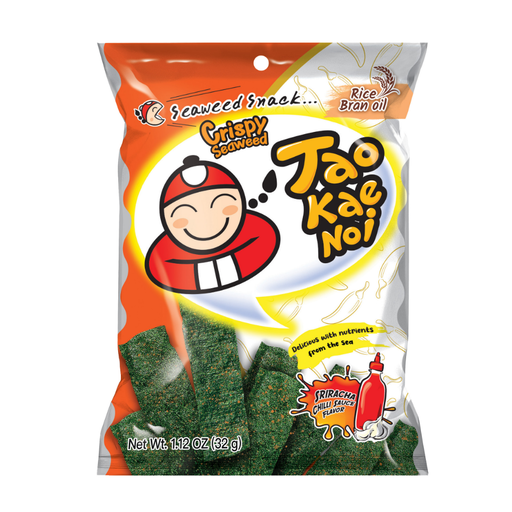
MATCH FOR: The Adventurous Snacker
TAOKAENOI Crispy Seaweed Sriracha Sauce 32 g

TAOKAENOI Crispy Seaweed Sriracha Sauce 32 g

Why This Fits Their Persona: Perfect for those seeking bold and spicy snacks. The combination of seaweed's salty umami with the recognisable, spicy, and slightly sweet flavour of Sriracha offers a more complex experience than a standard salted snack.

How It Avoids the Trap

The flavour is specifically "Sriracha," not vaguely "spicy." Taokaenoi is known for its consistently crispy texture, minimising the risk of a chewy snack.

Key Advantage & Pros

Authentic Sriracha flavour combined with a satisfying crunch. Made with 85% seaweed.
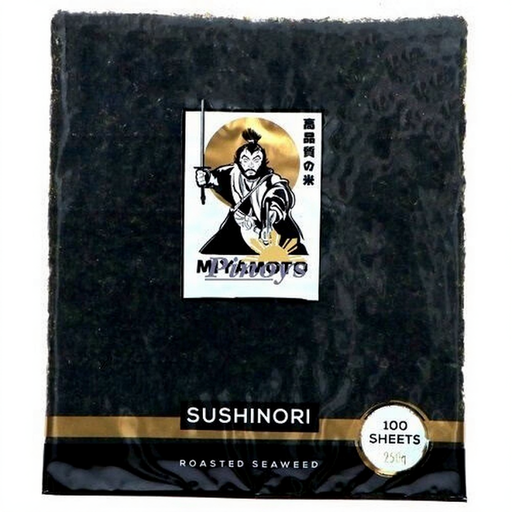
MATCH FOR: The Home Cook
Miyamoto Roasted Seaweed - 100 Sheets

Miyamoto Roasted Seaweed - 100 Sheets

Why This Fits Their Persona: Ideal for those who make their own sushi, kimbap, or onigiri. This bulk pack of 100 nori sheets is a pantry staple for fans of Japanese cuisine.

How It Avoids the Trap

This is a pure ingredient, not a snack. It contains no oil, salt, or flavourings, so you know exactly what you're buying. The focus is on the quality of the seaweed itself, not on misleading claims.

Key Advantage & Pros

Consists of 100% roasted seaweed. The bulk packaging offers excellent value for money for those who regularly buy nori.
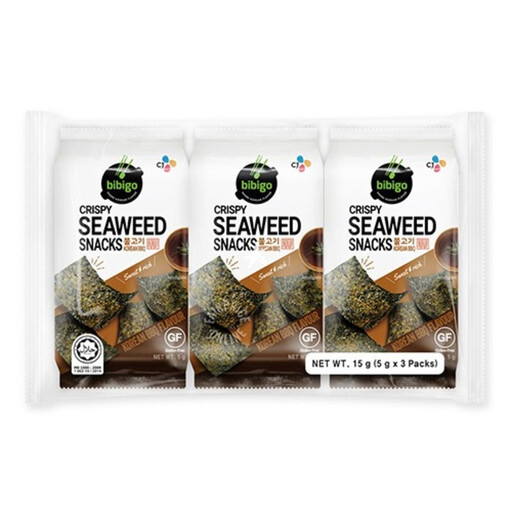
MATCH FOR: The Convenience Seeker
Bibigo CJ BIBIGO Crispy Seaweed Snack Bulgogi 5Gx3EA

Bibigo CJ BIBIGO Crispy Seaweed Snack Bulgogi 5Gx3EA

Why This Fits Their Persona: The individual portion packs make this an ideal snack for on the go, in a lunchbox, or at the office. The savoury, non-spicy Bulgogi flavour is approachable and a nice change from standard options.

How It Avoids the Trap

The portion packs help manage salt and oil consumption, bypassing the "unhealthy healthy snack" pitfall. The flavour is specific (Bulgogi), so you know what you're getting.

Key Advantage & Pros

Convenient multipack with three individual servings. A unique and popular flavour from Korean cuisine.

Looking for more options?

We've compiled a complete, up-to-date list of products that meet these selection criteria.

Frequently Asked Questions

Is a seaweed snack a healthy snack?

That depends on the product. Seaweed itself is rich in minerals and low in calories. However, the preparation method is key. Roasted nori sheets with little oil and salt are a lighter choice. Fried seaweed crisps or snacks with lots of added sugar and salt can be just as calorie-dense as regular potato chips. It's always wise to check the nutrition facts label on the packaging.

What's the best way to store opened seaweed snacks?

Seaweed absorbs moisture and quickly loses its crispiness as a result. Always store an opened package in an airtight container or seal the bag tightly with a clip. A cool, dry, and dark place, like a kitchen cupboard, is ideal. Avoid exposure to direct sunlight or moisture.

What is the difference between nori sheets for sushi and seaweed crisps?

Nori sheets are thin, dried, and roasted sheets of seaweed. They are primarily intended as an ingredient for dishes like sushi and kimbap but are also sold as a light snack. Seaweed crisps, on the other hand, are thicker, often coated with a crispy (tempura) batter, and fried. They are specifically developed as a savoury snack with a firm bite and are generally not suitable for rolling sushi.