
Vandaag of morgen in huis

Kwaliteit gegarandeerd

Welkomstaanbiedingen ontgrendelen: GRATIS bezorging | Tot 80% korting | Gratis 30 dagen JoyPlus-proefperiode
Download de app
A crispy, salty, and savoury seaweed snack can be a delightful treat. The umami flavour, famous in Japanese and Korean cuisine, is irresistible to many. But the Asian snack aisle can be overwhelming. Not every seaweed snack is what it seems, and it's easy to make the wrong choice.
As a Joybuy Product Recommendation Officer, I'm here to help you cut through the marketing jargon. Before you fill your shopping cart, here are a few common pitfalls to watch out for.
To avoid a bad buy, it's helpful to know what to look for. These three points will help you make a choice that matches your taste and expectations.
Not all seaweed snacks are created equal. The texture heavily depends on the preparation method.
A quick glance at the back of the package can tell you a lot.
Although the differences can be subtle, snacks from different regions often have their own character. Korean snacks (gim) are typically thinner, roasted with sesame oil, and lightly salted. Japanese savoury snacks (nori) can range from simple sheets to thicker, sweeter, or spicier versions, sometimes with soy sauce or wasabi.
Based on product features and use cases, we have listed a few popular choices for different profiles.
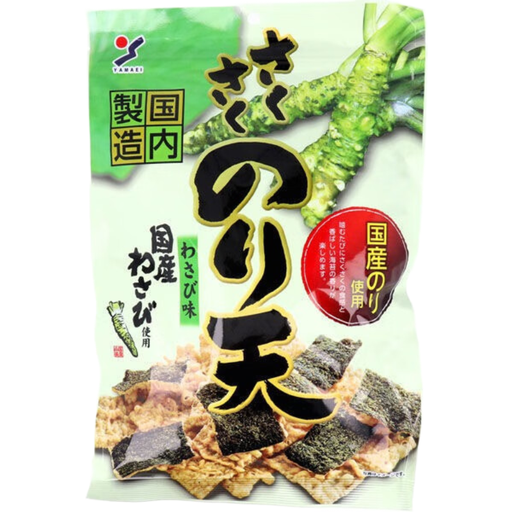
Why This Fits Their Persona: Perfect for those seeking an intense flavour and a solid crunch. The combination of a crispy tempura batter with the sharp kick of wasabi is anything but boring. This isn't your standard seaweed sheet, but a full-fledged Japanese savoury snack.
This product tackles the pitfall of a disappointing texture. The tempura batter provides a robust and satisfying crunch that you won't find in thinner, roasted snacks.
Unique combination of crispy tempura batter and a spicy wasabi flavour. A substantial snack that is more filling than a standard seaweed sheet.
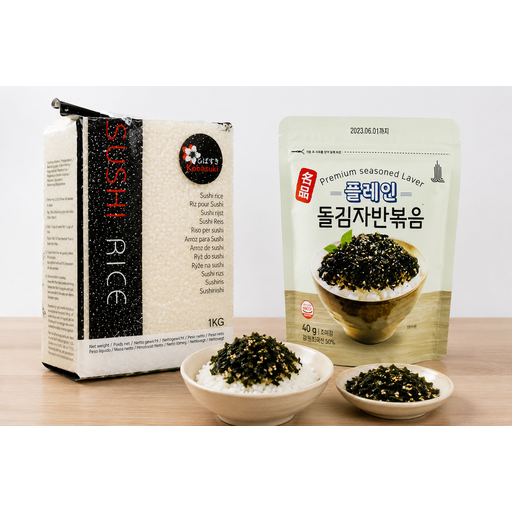
Why This Fits Their Persona: For those who see seaweed not as a snack, but as an essential part of the meal. This set includes both sushi rice and seasoned seaweed flakes, specifically intended as a topping for an authentic Korean rice bowl.
This product is exactly what it promises to be: a meal component. It avoids the confusion between a snack and a topping. The flakes are designed for mixing, not for eating on their own.
A complete set for a specific application. The seaweed flakes are already seasoned and ready to use as a topping over rice or noodles.
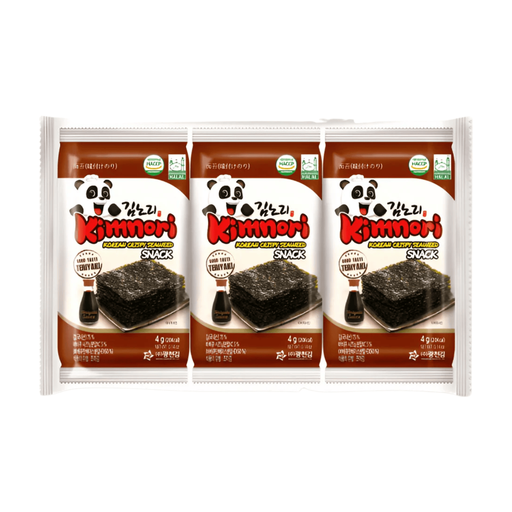
Why This Fits Their Persona: For those who love the original, thin, and crispy seaweed snack. The sweet and salty teriyaki flavour is a popular and accessible choice. The convenient single-serving packs are ideal for on-the-go or as part of a lunchbox.
The individual 4-gram portion packs tackle two pitfalls: you know exactly how much you're getting (no air), and the snack stays crispy because you don't have to open a large bag.
Classic, thin, and crispy texture. Convenient portion packs that guarantee freshness. Accessible teriyaki flavour.
We have compiled a complete, up-to-date list of products that meet these selection criteria and comply with current regulations.
How do I store opened seaweed snacks to keep them crispy? Moisture is the greatest enemy of a crispy seaweed snack. Once the package is opened, the sheets quickly become soft. The best way to prevent this is to consume the snack immediately. If you do need to store some, seal the package as airtight as possible, for example with a clip, and store it in a cool, dry place. Some people place the bag with a silica gel packet (if included) in a sealed container.
Is a seaweed snack a healthy choice for children? That depends heavily on the product. Seaweed itself contains minerals, but many snacks have high salt and fat content. For children, it's best to choose lightly salted, roasted varieties instead of deep-fried chips. Always read the ingredient list and nutrition facts to make an informed choice. Also, be mindful of spicy flavours like wasabi or sriracha, which are often too intense for children.
What is the difference between Korean and Japanese seaweed snacks? While there is a lot of overlap, there are some general differences. Korean seaweed snacks (known as gim) are often roasted with sesame oil and salt, giving them a nutty, savoury flavour. Japanese varieties (nori) have a broader range of flavours. You can find simple salted sheets, but also versions with soy sauce, mirin (sweet rice wine), wasabi, or in a tempura batter. As a result, Japanese seasoned seaweed can sometimes be sweeter or spicier.
