
Vandaag of morgen in huis

Kwaliteit gegarandeerd

Welkomstaanbiedingen ontgrendelen: GRATIS bezorging | Tot 80% korting | Gratis 30 dagen JoyPlus-proefperiode
Download de app
If you want to buy seaweed, you will quickly come across lots of similar-looking packets. However, sushi nori, Korean seaweed snacks and seasoned seaweed can differ considerably in size, ingredients, flavour and ease of use. A small pack may be convenient for eating on the go, while loose seaweed sheets are better suited to sushi, onigiri or kimbap.
As a Joybuy Product Recommendation Officer, I focus mainly on verifiable information: the number of sheets, net weight, ingredients, packaging and intended use. This helps you avoid relying solely on terms such as “crispy”, “authentic” or “premium”.
A seaweed snack often consists of thin, roasted sheets with oil, salt or seasonings. This makes the product suitable for eating straight away, but not always practical for rolling sushi neatly. For sushi, you will generally need larger, full-size seaweed sheets.
So check whether the packaging mentions:
Seaweed is light. A pack weighing just a few grams may contain several small snack bags, while a pack with 50 or 100 sheets is primarily intended for volume use. So do not compare the weight alone; also consider the number of portions, sheets or bags.
For example, a 50-gram bag of shredded seaweed serves a different purpose from ten large sheets of sushi nori. The first option is handy as a topping; the second is intended for rolling sushi.
Roasted seaweed without added flavourings often has a short ingredients list. Seasoned seaweed, on the other hand, may contain oil, sesame, soya, mustard, sugar, flavour enhancers or spices.
Before buying, read the ingredients and allergen information on both the product page and the packaging. Product information can change, and the physical packaging is the definitive source. Also pay attention to the serving size: a light product is not automatically low in salt or suitable for every dietary preference.
For seaweed for sushi, full-size sheets of a practical size are important. According to the product information, Miyamoto Roasted Seaweed comes in sheets measuring 19 x 21 cm. This size is suitable for sushi, kimbap, wraps and other recipes.
Saitaku Nori contains 5 sheets and, according to the description, is intended for sushi, stir-fries and salads. A smaller number of sheets may be appealing if you only make sushi occasionally and do not want to build up a large stock.
Choose Japanese nori or nori seaweed with a short ingredients list if you want to control the flavour yourself. According to the product information, products such as Kwangcheonkim Onigiri Seaweed consist of 100% seaweed. Sushi Nori Roasted Seaweed contains 10 roasted sheets and is intended for sushi, rice balls and eating straight from the pack.
For a more pronounced flavour, there are varieties with oil, sesame, chilli, wasabi or teriyaki. A Korean seaweed snack such as Chung Jung One CJW Seaweed Snack contains seaweed, oil and salt, among other ingredients; this variety also contains sesame. So always check the latest allergen information.
Crispy seaweed absorbs moisture quickly. When choosing a product, look for:
After opening, it is advisable to seal the product properly and store it away from steam, sunlight and heat. If a snack starts to lose its crisp texture, an airtight storage container can often help limit further moisture absorption.
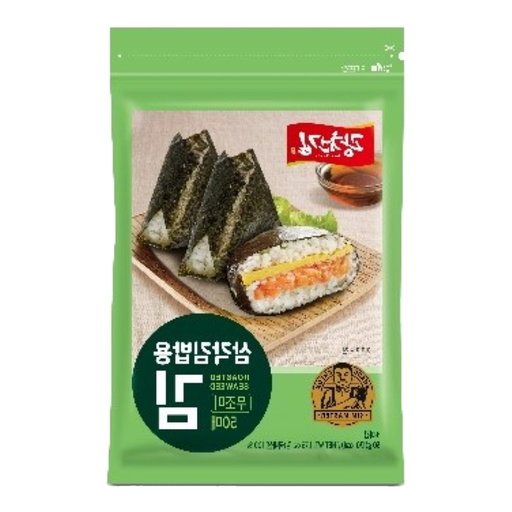
Why it suits this profile: According to the product information, this product consists of 100% seaweed, making it a simple introduction to plain nori. It is suitable for anyone who wants to make rice balls or onigiri without immediately buying a large stock.
The product information clearly lists one ingredient: seaweed. This means you do not need to factor in oil, a seasoning mix or a hidden flavour profile.
50 g pack; 100% seaweed according to the listed ingredients; suitable for onigiri and rice dishes.
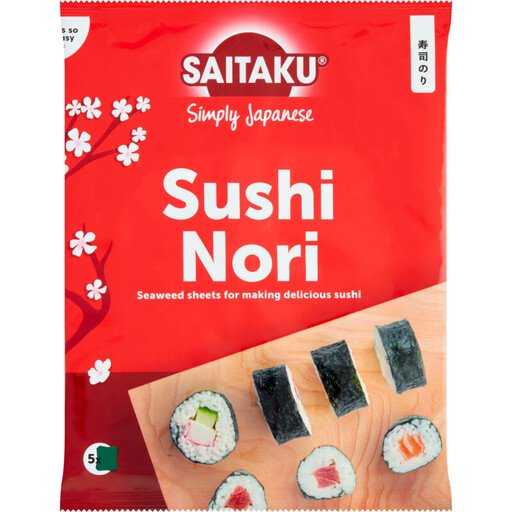
Why it suits this profile: Anyone specifically looking for nori for sushi gets 5 sheets from the first nori harvests, according to the product description. The manageable pack size is suitable for a sushi evening in a small household.
The number of sheets is clearly stated. You are not buying a snack mix when you specifically want seaweed sheets for sushi.
5 sheets per pack; intended for sushi; ingredients list red algae from aquaculture.
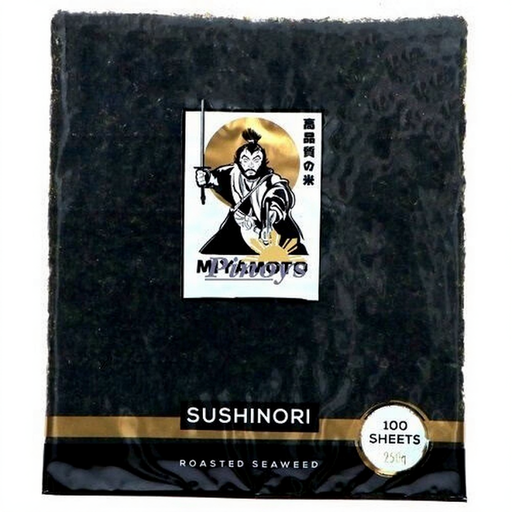
Why it suits this profile: This pack contains 100 roasted sheets measuring 19 x 21 cm. That makes it suitable for frequent sushi and kimbap preparation, larger households or planning several meals.
The large number of full-size sheets makes the difference between snack size and a cooking stock immediately clear. However, make sure you have enough dry storage space.
100 sheets; size 19 x 21 cm; roasted seaweed without added flavourings according to the listed ingredients.
We have put together a complete, up-to-date list of products that fully meet these strict selection criteria and the applicable European safety regulations.
A Korean seaweed snack is usually ready to eat straight from the pack. Varieties with olive oil, maize oil, sesame, chilli, wasabi or teriyaki offer more flavour than plain nori. Small 3- or 4-gram bags are handy for lunch, work or eating on the go. At home, you can also choose a larger pack, such as a multipack.
According to the product information, Garimi Olive Oil Seaweed is shredded and supplied in a 50-gram resealable bag. This makes it suitable as a topping for rice, noodles, salads or sushi. Chung Jung One CJW is available in small portions and in a pack containing 12 bags. With these products, pay particular attention to oil, salt, sesame and flavour enhancers on the label.
Choose roasted nori in full-size sheets and check the number of sheets and their size. Products that specifically mention sushi, maki, hand rolls or onigiri are a more logical choice than shredded or heavily seasoned seaweed.
Store the product in a cool, dry place away from moisture and direct sunlight. Seal the packaging securely. Individual portions are practical when you are not using everything at once. Always follow the storage instructions on the packaging.
It can be. Shredded or seasoned seaweed works well with rice, noodles, soup and salad, for example. However, bear the extra flavour in mind and check ingredients such as sesame, soya, mustard, oil and flavour enhancers before using the product.
