
Vandaag of morgen in huis

Kwaliteit gegarandeerd

Welkomstaanbiedingen ontgrendelen: GRATIS bezorging | Tot 80% korting | Gratis 30 dagen JoyPlus-proefperiode
Download de app
A fine cut of fish or fresh seafood on your plate is a true delicacy. But the wrong sauce can completely overpower its delicate flavor. Regular soy sauce is often too salty and potent, causing the freshness of the sea to be lost. That's where a special seafood soy sauce makes all the difference.
These sauces are specially formulated to enhance, not mask, the natural taste of fish and shellfish. But with so many options available, making the right choice can be challenging. My name is Joy, Product Recommendation Officer at Joybuy. I'm here to help you find the right bottle to elevate your seafood dishes, without the unnecessary marketing fluff.
Before we dive into the recommendations, here are a few practical tips to guide your selection.
A good soy sauce for fish is all about balance. Unlike some standard soy sauces that are primarily salty, a sauce for seafood often has a light sweetness and a deeper umami sauce flavor. This is due to a different blend of ingredients, sometimes with added sugar, spices, or extracts that boost its savory quality. This Chinese-style soy sauce variant is specifically developed to complement the subtle flavors of fish.
Fish and seafood already have a naturally briny taste. A sauce that's too salty can quickly become overwhelming. That's why many home cooks look for a low-sodium soy sauce. Pay attention to the label and the nutritional information. A lower sodium content (around 10-15g per 100ml) is often a good indicator that the sauce is meant to support the flavor rather than dominate it.
Consider how you plan to use the sauce.
Based on product specifications and popular choices among Asian cuisine enthusiasts, here are three recommendations.

Why it stands out: This is a classic, accessible soy sauce developed specifically for seafood. Its flavor is focused on enhancing umami and is a popular choice for preparing traditional Cantonese-style steamed fish.
Pros:
Who is it for? For the home cook looking for a reliable and authentic flavor enhancer for steamed fish, without too much complexity. A great starting point if you're new to this type of soy sauce.
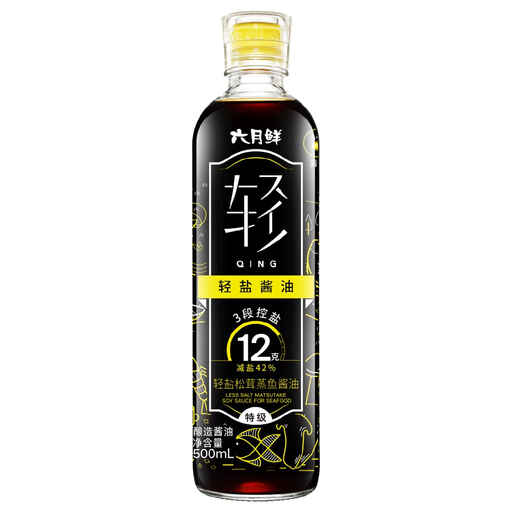
Why it stands out: This sauce from Liu Yue Xian distinguishes itself with unique ingredients. The addition of matsutake mushroom and lemon juice creates a complex and refined flavor profile.
Pros:
Who is it for? For the health-conscious cook and the culinary explorer seeking a low-sodium soy sauce with a more complex, refined flavor profile. Ideal for those who want to enrich the taste of fish with subtle, natural aromas.
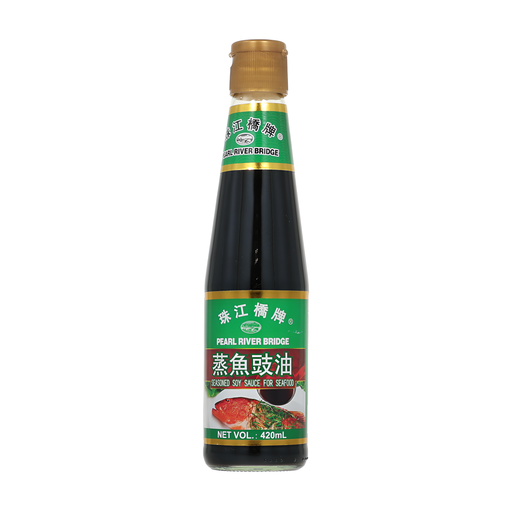
Why it stands out: Pearl River Bridge is a renowned brand that combines traditional brewing techniques with modern production. This sauce is a true all-rounder, specially formulated to highlight the freshness of fish.
Pros:
Who is it for? For the home cook seeking a versatile and reliable seafood soy sauce from a reputable brand. A great choice if you want one bottle that is suitable for multiple fish preparations.
If your perfect match isn't here, or if you're curious about other flavors, there are many more varieties to discover, from sauces with extra herbs to organic options. Take a look at our wider assortment for more inspiration.
Explore all our seasoned soy sauces
Seafood soy sauce is typically lighter, less salty, and often slightly sweeter than regular light soy sauce. Its formula is specifically designed to enhance the delicate flavor of fish and shellfish rather than overpower it.
Absolutely. Due to its balanced, less salty flavor, this sauce is also delicious over steamed or blanched vegetables (like bok choy), with tofu, or as a light salad dressing. It also makes an excellent dipping sauce for fish or dumplings.
A widely used method in Chinese cuisine is simple and effective:
Hopefully, this guide will help you find the right flavor enhancer for your next seafood dish.
Best regards,
Joy, your Product Recommendation Officer at Joybuy
