
Vandaag of morgen in huis

Kwaliteit gegarandeerd

Welkomstaanbiedingen ontgrendelen: GRATIS bezorging | Tot 80% korting | Gratis 30 dagen JoyPlus-proefperiode
Download de app
Finding a great sea bass rod that performs on the coast but is also versatile enough for freshwater can be a challenge. The market offers countless options, and it's not always clear which rod suits your fishing style. This guide is designed to help you make that choice. We'll discuss what to look for and highlight several popular options based on their specifications.
Before you make a decision, it's wise to consider a few key characteristics. These specifications determine how the rod performs and whether it's suitable for your type of angling.
Most modern predator rods are made from carbon. A carbon rod is typically lightweight, which is comfortable during long fishing sessions. More importantly, it offers excellent sensitivity. Carbon transmits bites, even the most subtle ones, directly to your hand. This allows you to react faster and miss fewer fish. Pay attention to the quality of the carbon; a rod with higher modulus carbon is often stiffer and more sensitive.
The length of your rod is crucial for casting distance. If you're fishing from the shore, like on a pier or the beach, a longer rod (between 2.70 and 3.30 metres) will help you cast your lure beyond the surf. If you're fishing from a boat, a shorter rod (around 2.40 metres) is often more practical.
The casting weight, indicated in grams, should match the weight of the lures you use. A lure rod for sea bass typically has a casting weight between 10 and 60 grams, depending on whether you're fishing with light plugs or heavier shads.
Sea bass fishing means fishing in a saline environment. A good saltwater rod is equipped with corrosion-resistant components. This includes the guides and the reel seat. Materials like stainless steel or titanium are a good indicator of quality. This significantly extends the lifespan of your gear and prevents problems caused by rust.
Below is a selection of rods that stand out for their specifications and broad versatility.
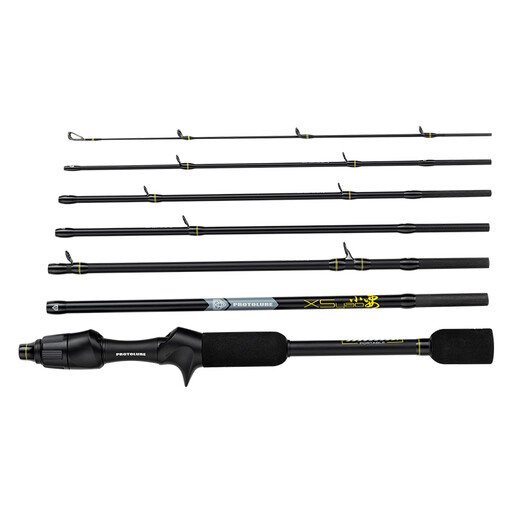
Why It Stands Out This rod is designed as an all-rounder. Its carbon construction makes it suitable for sea bass fishing, but according to the manufacturer, it performs just as well in freshwater for predators like zander or as a rod for large perch.
Key Features
Who Is It For? For the angler looking for a reliable predator rod that can be used in various situations, from inland waters to the coast.
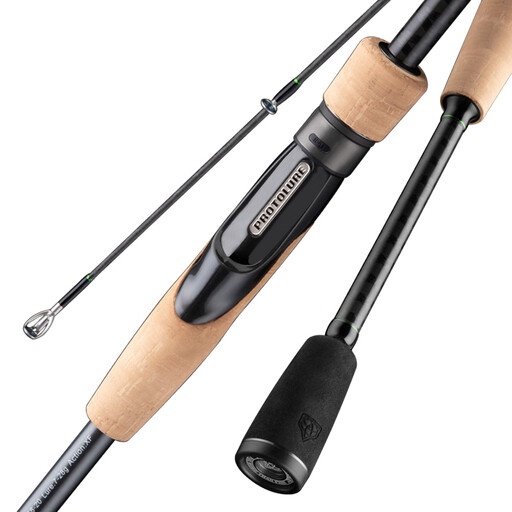
Why It Stands Out The Protolure CC is specifically developed as a spinning rod for sea bass angling. The rod's action is focused on casting and animating lures, such as plugs and shads.
Key Features
Who Is It For? For the angler who primarily focuses on fishing for sea bass with lures and wants a rod that is optimised for that purpose.
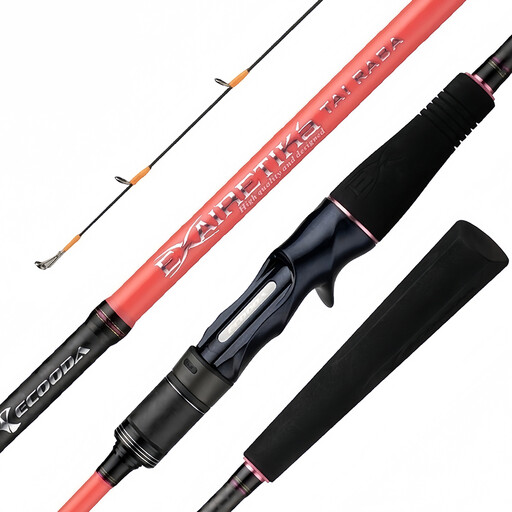
Why It Stands Out This is a more specialised rod, designed for techniques like fishing with rubber jigs or the Japanese Tenya style. The focus is on a sensitive tip to detect subtle bites on the bottom.
Key Features
Who Is It For? For the angler who enjoys experimenting with refined techniques like jigging and is looking for a rod with maximum bite detection.
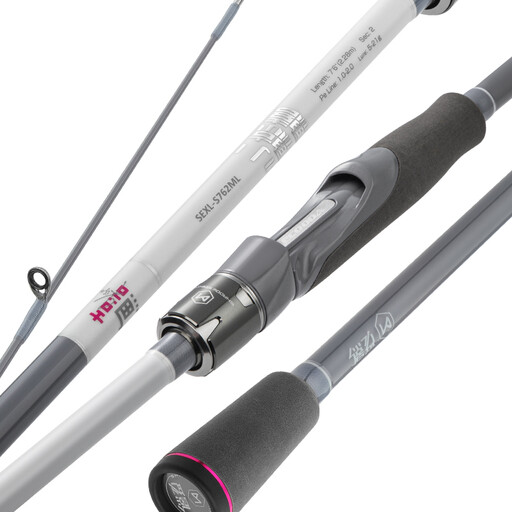
Why It Stands Out The SEXL is a powerful lure rod that, according to the manufacturer, is suitable for a wide range of large fish, from carp to sea bass and even small shark species. The mention of Fuji SiC Ring and O-Ring indicates the use of high-quality components known for their durability and smooth line flow.
Key Features
Who Is It For? For the serious predator angler seeking a robust and reliable rod built with durable components that won't back down from a fight with a strong fish.
The right rod is a personal choice that depends on your fishing style, the spots you fish, and the lures you use. If the options above don't quite match what you're looking for, there are many more possibilities.
View our full range of fishing accessories for more rods and other fishing gear.
For fishing from the shore (piers, beaches), a length between 2.70 and 3.30 metres is common. This helps to make long-distance casts. From a boat or kayak, a shorter rod of 2.10 to 2.40 metres is often more convenient and offers more control during the fight.
Yes, many modern sea bass rods are essentially powerful spinning rods that also perform excellently for freshwater predators like pike, zander, and large perch. It's a versatile choice. However, always rinse the rod with fresh water after use in saltwater to extend its lifespan.
A sea bass rod is a type of spinning rod, but often with a few specific modifications. They are generally more powerful and stiffer to work lures through currents and waves and to control a strong sea bass. Additionally, their components, such as the guides, are often more resistant to the corrosive effects of saltwater.
