
Vandaag of morgen in huis

Kwaliteit gegarandeerd

Welkomstaanbiedingen ontgrendelen: GRATIS bezorging | Tot 80% korting | Gratis 30 dagen JoyPlus-proefperiode
Download de app
A good scrub brush can be the difference between a frustrating cleaning chore and a satisfying result. But the search for the right brush isn't always straightforward. Many brushes look sturdy in the store but turn out to be a poor investment in practice. As a Product Curation Specialist at Joybuy, I see daily which products truly perform and which are just clever marketing. Let's go over the most common pitfalls so you can make a purchase you'll be happy with for years to come.
Before you purchase a new cleaning brush, it's wise to know what often goes wrong. These are the three most common problems:
To avoid the problems above, it's important to pay attention to a few specific features. These determine the effectiveness and lifespan of your household brush.
The bristles do the heavy lifting. Their stiffness and durability are crucial here.
Pay attention to the density and length of the bristles. Densely packed, sturdy bristles provide more scrubbing power.
The handle determines ease of use. A good grip is essential, especially when cleaning the bathroom or scrubbing grout lines.
Not every brush is suitable for every task. A standard tile brush is ideal for large surfaces, but you'll need something different for precision work.
Based on these criteria, we have selected a few products that suit different user profiles.

Why This Fits Their Persona: Looking for a simple, reliable brush for general tasks in and around the house? This model is designed for no-fuss effectiveness. Ideal for scrubbing the bathroom, sink, or tiles.
The entire construction is made of polypropylene, including the 20 mm stiff bristles. This prevents mould and ensures the bristles retain their shape, even after heavy scrubbing.
The one-piece, water-resistant construction is hygienic and durable. The ergonomic handle provides excellent control during cleaning.
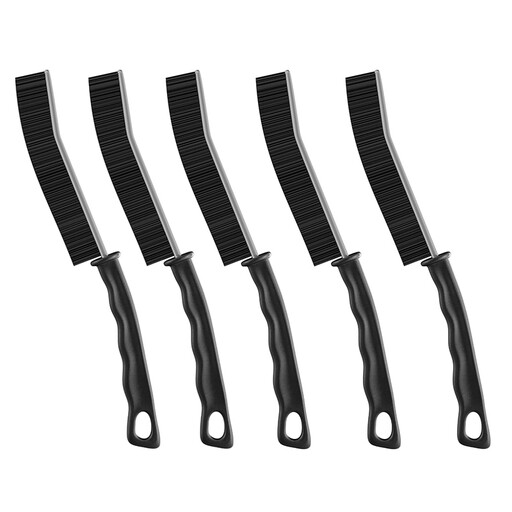
Why This Fits Their Persona: For those bothered by dirt in grout lines, crevices, and window tracks. This set is specially designed for precision work where a normal brush can't reach.
Instead of forcing a one-size-fits-all brush, this offers a specialised solution. The firm, narrow bristles are made for grout and won't bend out of shape with focused use.
The long handle allows you to reach deep into crevices without scraping your knuckles. The five-piece set offers excellent value and enough brushes for different rooms.
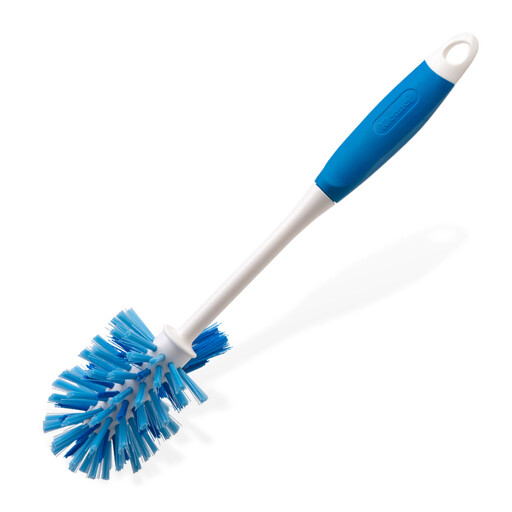
Why This Fits Their Persona: Ideal for those who need to scrub large surfaces like garage floors, patio tiles, or large bathroom floors. This brush is designed for power and comfort during extended use.
The long 36 cm handle reduces the need to bend over, preventing back strain. The soft TPR rubber grip prevents hand cramps and ensures the brush won't slip from your grasp.
The combination of a long handle, comfortable grip, and a wide head with dense, stiff bristles makes this a powerful tool for the most demanding cleaning jobs.
We have compiled a complete, up-to-date list of products that meet these strict selection criteria.
After each use, rinse the brush thoroughly under running water to remove dirt and soap residue. Shake out the excess water and let the brush air dry with the bristles facing down, allowing water to drain away. Store it in a dry, well-ventilated area.
For hard, non-sensitive surfaces like concrete, unglazed tiles, and grout, stiff polypropylene (PP) bristles are ideal. For slightly more delicate surfaces like painted wood or plastic frames, it's better to use a brush with nylon bristles, which are a bit softer but still clean effectively. Always test on an inconspicuous area first.
The lifespan depends on the frequency of use and the materials. A high-quality brush made of polypropylene or well-treated wood can easily last for several years with normal household use. Replace the brush when the bristles are significantly worn, bent, or falling out, as its effectiveness will be greatly reduced.
