
Vandaag of morgen in huis

Kwaliteit gegarandeerd

Welkomstaanbiedingen ontgrendelen: GRATIS bezorging | Tot 80% korting | Gratis 30 dagen JoyPlus-proefperiode
Download de app
Choosing a screwdriver set might seem straightforward, but you often only realise a poor choice once you're in the middle of a job. A bit that doesn't fit the screw head properly, a handle that wears out quickly, or a set without the right insulation can lead to damaged screws, frustration and extra expense.
This buying guide helps DIY enthusiasts, mechanics, electricians and repairers compare tools based on verifiable product specifications.
A set with dozens of bits might look appealing, but first check which types and sizes are actually included. For furniture and general maintenance, you'll often need Phillips, slotted, Pozidriv and Torx screwdrivers. For electronics, smaller sizes such as PH000, PH00, T5 or T6 are important.
Also pay attention to the difference between a fixed screwdriver and a bit set screwdrivers. With a bit set, you use one handle with interchangeable bits. This saves space, but you may have less grip for heavy-duty work.
A magnetic tip can temporarily hold a screw and is handy for assembly in hard-to-reach places. However, "magnetic" doesn't automatically tell you anything about the strength or durability of the magnetisation. So check whether the product description mentions magnetic tips, a magnetic bit holder, or just a magnetic closure on the storage box.
A standard screwdriver is not suitable for work on electrical installations. For this use, look for a VDE screwdriver with information about the IEC 60900 standard and the permitted voltage. A rating of 1000 V refers to the tool's classification; it doesn't mean you should work live. Always switch off installations and check they are de-energised.
The tip must fit the screw head as precisely as possible. A Phillips tip that's too small can slip; a tip that's too large won't fully engage the recess. For Torx screws, you'll need a suitable Torx screwdriver set, for example TX20 or TX25. With a precision screwdriver set, also look at the smallest sizes and the presence of security Torx bits.
Many models use chrome vanadium steel. For loose bits, S2 steel is also common. Also check whether the blade is hardened, chrome-plated or has a corrosion-resistant finish. These are more concrete details than vague terms like "strong" or "professional".
Don't automatically use a standard bit with an impact driver. Some bits aren't suitable for that. The WORKPRO 16-piece set, for example, states that the bits should not be used with an impact driver unless they are classified for it.
For components that need to be tightened to a specified torque, a torque screwdriver is more suitable than a standard hand screwdriver. Check the range in Nm. A model of 0.1–0.6 Nm is intended for different work than a model of 5–14 Nm.
With the Wiha TorqueVario-S models, the product information states an accuracy of ±6% and an audible and tactile click when the set torque is reached. The values must match the fastening instructions from the component manufacturer.
A ratchet mechanism reduces the need to constantly reposition your hand. A ratchet screwdriver is especially practical for repetitive screwing tasks. For tight spaces, a short stubby handle can be a lifesaver. A pistol grip offers more leverage but takes up more room.

Why this fits the profile: This set combines standard and precision screwdrivers with bits, so you have several common types on hand for household assembly and small repairs.
The contents are clearly specified: 37 pieces, including Phillips, slotted, Torx, hex and precision types. So you're not just buying based on the number of pieces.
Magnetic tips, soft-grip handles and a wall holder. The set also includes 20 loose bits and a bit holder.
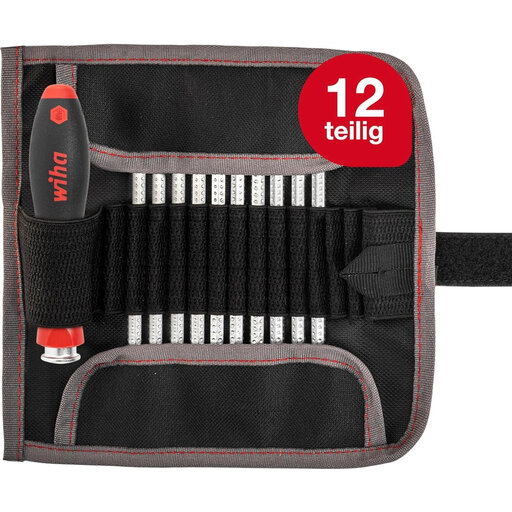
Why this fits the profile: For anyone wanting a compact tool set for screws with different profiles and a handle for repeated assembly work.
The product information clearly states the contents and operation: 11-piece, interchangeable shafts and an adjustable shaft length of 18–90 mm.
Chrome vanadium steel, locking button, soft-grip handle and a storage pouch with Phillips, slotted and Torx attachments.
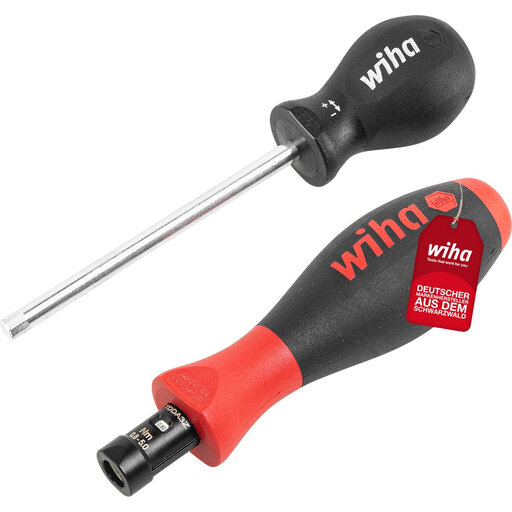
Why this fits the profile: This choice suits assembly work where tightening torque matters, for example in technical assembly and maintenance.
The range of 0.8–5.0 Nm is clearly stated. According to the product information, the model is adjustable and features an audible and tactile click signal.
Chrome vanadium molybdenum steel, SoftFinish handle and interchangeable head. The packaging includes an adjustment tool.
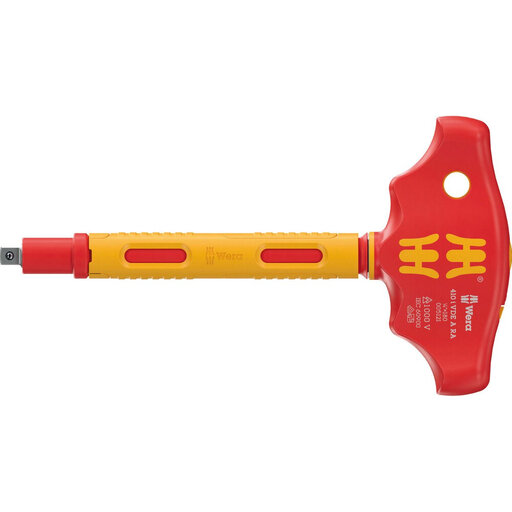
Why this fits the profile: The T-handle and 1/4-inch square drive are designed for controlled force transmission during electrical installation and maintenance work.
The product details state VDE insulation, a permitted voltage of 1000 V and individual testing to IEC 60900. Always check the work situation and safety procedure.
Fine-tooth ratchet with a 4.5° return angle, quick-change sleeve and 130 mm blade length. Suitable for 1/4-inch VDE bits and sockets from the specified series.
We've put together a full, up-to-date list of products that fully meet these strict selection criteria and current European safety regulations.
An electric screwdriver can be handy for lots of repetitive screwing. Pay attention to torque settings, battery type, charging time and bit compatibility. An electric model does not replace a torque screwdriver when an exact tightening torque is required.
The lifespan depends on the material, the load and how you maintain it. Don't use a screwdriver as a chisel or lever, and always choose the right size. Clean the tools dry after use and store bits in the supplied holder or case. Replace parts as soon as the tip becomes rounded or damaged.
Yes, magnetic tips can help hold small screws in place during assembly. They are especially practical in tight spaces and for electronics. However, check whether the magnetisation is part of the screwdriver itself and not just the bit holder.
The price is mainly determined by the number of pieces, steel type, handle, ratchet mechanism, insulation and any calibration. A compact set with common sizes can be enough for household use. For precision work, electrical work or controlled tightening, you'll typically pay for specific features that should be verifiable in the product details.
