
Vandaag of morgen in huis

Kwaliteit gegarandeerd

Welkomstaanbiedingen ontgrendelen: GRATIS bezorging | Tot 80% korting | Gratis 30 dagen JoyPlus-proefperiode
Download de app
A single screwdriver may seem inexpensive, but for a cupboard, laptop, bike or electrical installation, you’ll soon need several sizes and bit types. A good screwdriver set helps you avoid damaging a screw or having to stop halfway through a job to look for a size you don’t have.
However, a high piece count doesn’t tell you everything. Some sets contain lots of nearly identical bits, while leaving out important sizes. An electric screwdriver may also seem handy, but might not deliver enough torque for furniture or longer screws. Here’s what to look out for in practice, whether you’re a DIYer, mechanic or electrician.
A set with 40 or 80 pieces sounds appealing, but check what’s included. For household use, Phillips, slotted, Torx and hex types are useful. For electronics, you’ll also come across smaller sizes and specialist profiles, such as Y or P bits.
Don’t just look at the total number. Check:
A compact set with the right profiles is often more practical than a large case full of duplicates.
With an electric screwdriver or cordless screwdriver, speed and torque are often given prominence. A higher speed mainly means you can work faster under no load. Torque, measured in N·m, determines how much turning or driving force is available.
For electronics, low, controllable torque is important to avoid damaging small screws and plastic casings. Furniture generally requires more power. Also look for multiple torque settings, a forward/reverse function and a manual lock for when you need to apply extra force.
A standard screwdriver isn’t suitable for working on live components. For electrical installations, you need a VDE screwdriver with the appropriate insulation and markings. Check the stated standard, permitted voltage level and whether the tool has been individually tested.
A VDE marking doesn’t replace voltage testing, isolation or safe working procedures. Use insulated tools only as instructed, and leave work on electrical installations to someone with the right knowledge and qualifications.
A standard manual screwdriver gives you direct control and doesn’t need a battery or charger. A ratcheting screwdriver is more comfortable to use for repeated movements, as you don’t have to turn the handle all the way back each time.
An electric version saves time when assembling furniture and carrying out regular maintenance. Check the battery capacity, charging time, charging port and weight. For a few screws, a compact 3.6- or 4-volt model is often enough. Other tools are better suited to plasterboard work or repetitive tasks. The Makita FS4000, for example, is a 570 W electric screwdriver with adjustable depth, variable speed and a 4-metre cord. According to the product description, this model is designed for tasks including driving plasterboard screws into metal profiles.
S2 steel is often used for screwdriver bits because it combines hardness with wear resistance. That doesn’t mean all S2 bits perform equally: accuracy of fit, heat treatment and how you use them also play a part.
Check the fitting, too. Many electric models use a 1/4-inch hex shank. A drill and bit set can be especially handy if you want to do more than drive screws and also drill into wood, metal or stone. According to the product information, the Kreator KRT064921 contains 82 pieces, including screwdriver bits, HSS drill bits for wood and metal, masonry bits, a countersink bit and sockets.
A handle with non-slip material helps when you’re working for long periods. For a precision screwdriver, low weight, a secure grip and clearly organised bit storage matter more than maximum power.
Store bits somewhere dry and wipe them clean after use. Always use a bit that fits the screw head exactly. The wrong size can damage the head and make it harder to remove the screw later. Also, don’t use a screwdriver as a lever or chisel.

Why it suits this type of user: This basic set is designed for common household repairs, furniture assembly and light maintenance.
The selection is straightforward: six slotted and Phillips screwdrivers rather than lots of hard-to-use duplicates.
According to the product description: three-component handles, a non-slip texture and chrome-plated vanadium steel blades.
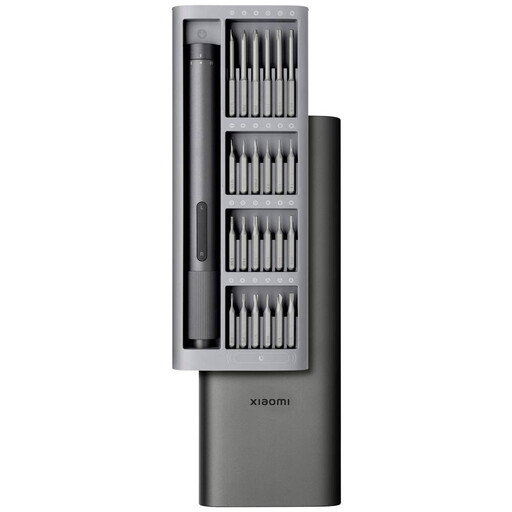
Why it suits this type of user: Designed for people who regularly work on smartphones, laptops, small appliances or other electronics.
The set is specifically designed for precision work and includes 24 bits across nine listed types, making it less likely you’ll be missing the right small profile.
According to the product description: 200 rpm, USB-C charging, an aluminium casing and S2 bits with a stated hardness of up to 60 HRC.
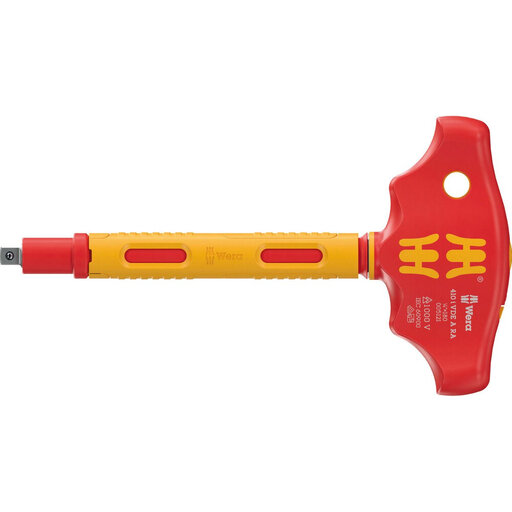
Why it suits this type of user: A specialist choice for electricians and mechanics who need an insulated T-handle and a 1/4-inch fitting.
The product information specifically mentions VDE insulation, IEC 60900 inspection and a permitted voltage level of 1000 V. Always check that these are suitable for your working conditions.
T-handle, 4.5° return angle, ratchet mechanism and integrated lock for compatible 1/4-inch inserts.
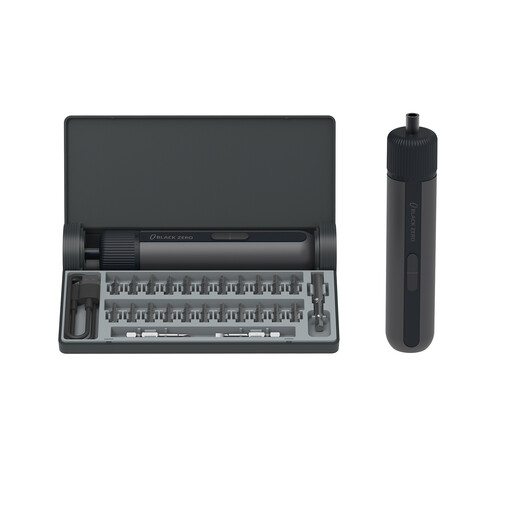
Why it suits this type of user: A handy option if you’re looking for a compact cordless screwdriver for furniture, cupboards, appliances and light maintenance tasks.
The specifications list four torque settings, five speeds, manual torque of up to 12 N·m and a USB-C connection. This lets you adjust how you use the tool to suit the job.
24 bits, a magnetic extension bar, built-in magnetiser, weighs approximately 296 grams and has a stated maximum hard torque of 8 N·m.
We’ve put together a complete, up-to-date list of products that meet these strict selection criteria and the applicable European safety regulations.
For general household use, slotted and Phillips screwdrivers in a few common sizes are usually enough. Choose a bit set with Torx and hex bits if you often assemble furniture, maintain bikes or open up appliances. A ratcheting screwdriver is useful when you have lots of screws to drive.
It can be, as long as the model has low, adjustable torque and small precision bits. Don’t use a powerful cordless screwdriver on delicate casings without an appropriate setting. Also check that the bits fit the screw heads exactly, and work carefully to avoid slipping.
Its lifespan depends on the material, the amount of use and how it’s stored. Don’t let bits slip, don’t use them on the wrong materials, and replace them as soon as the tips show visible wear. Clean metal parts after use and store the set in its supplied case or a dry tool drawer. This keeps the sizes easy to find and helps prevent unnecessary damage.
