
Vandaag of morgen in huis

Kwaliteit gegarandeerd

Welkomstaanbiedingen ontgrendelen: GRATIS bezorging | Tot 80% korting | Gratis 30 dagen JoyPlus-proefperiode
Download de app
A screwdriver may seem simple, but choosing the wrong type can quickly lead to damaged screw heads, a sore hand or a job that takes longer than it needs to. This applies to DIY enthusiasts as well as electricians, mechanics, installers and furniture makers.
The main pitfalls usually have less to do with appearance and more to do with the drive type, torque and included accessories. Use these practical checks to make a more informed choice between a manual screwdriver, electric screwdriver, ratchet screwdriver or complete screwdriver set.
A large bit set may look appealing, but the number of pieces says little about how useful it is. Check that the set includes the profiles you actually use, such as Phillips, Pozidriv, slotted, Torx and hex. Pay attention to the size, too. A PH1 bit is not suitable for a PH2 screw, even if they look similar.
A magnetic bit can be useful when assembling things in hard-to-reach places. However, magnetic strength varies between products and can diminish through wear or incorrect use.
An electric or cordless screwdriver with plenty of torque is not automatically suitable for small screws. Too much force can damage wood, plastic, fixings or the screw head. For furniture and light repairs, adjustability is often more important than a high maximum torque.
For assembly work where the specified force matters, a torque screwdriver is a better choice. Always check the adjustment range, accuracy and whether a calibration or factory inspection report is included.
A standard handle with plastic parts is no substitute for a VDE insulated screwdriver. When working on electrical installations, check that the tool is specifically marked as VDE insulated and note the standard or permitted voltage stated. Always isolate installations from the power supply and follow the applicable safety regulations.
A fixed shaft is practical if you often use the same screw. A replaceable shaft or 1/4-inch bit holder offers more flexibility. Check that the bits fit a standard size, such as a 1/4-inch hex shank.
A bit set with a sturdy holder is especially useful for assembly, maintenance and repairs. Check the material, size markings and storage options. S2 steel and chrome vanadium steel are commonly used for bits and shafts; the tool’s lifespan also depends on its hardness, finish and application.
A torque screwdriver is useful when you need to apply a specific torque consistently. Check:
According to the product information, the Wiha TorqueVario-S models have a stated accuracy of ±6%. This is a product specification, not a guarantee that every user will achieve the same result in every situation. Choose the right range: a 0.1–0.6 Nm model is designed for different work from a 0.8–5.0 Nm model.
A soft-grip handle can improve your grip, but also consider the shape and length of the handle. A short ratchet screwdriver works well in tight spaces, while a T-handle can provide more leverage. For electronics, watches and glasses, a precision screwdriver with slim, well-fitting tips is more suitable than a standard model.
For repetitive jobs, such as fitting plasterboard, speed control and a depth stop are useful features. A corded machine means you don’t have to recharge it, but limits your freedom of movement.
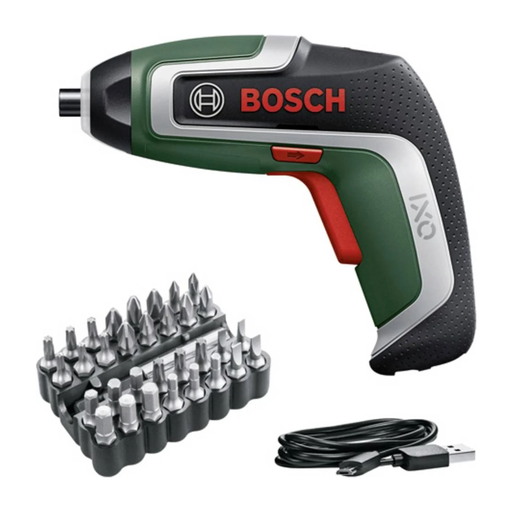
Why it suits this user: This compact cordless screwdriver is designed for everyday screwdriving, furniture assembly and small repairs around the home. The set includes 32 bits and a charging cable.
The included bits mean you’re less likely to need to buy several sizes separately. Check in advance, though, that the set includes the profile you need.
3.6 V battery, adjustable torque, built-in light and a stated weight of 320 g.

Why it suits this user: The pistol grip and ratchet function are ideal for assembly work involving repeated movements where you want extra grip.
The ratchet can be switched off at the 0 position, so you don’t have to rely on the ratchet setting for precise work.
1/4-inch bit holder, Rapidaptor quick-change system, six included bits and an integrated bit magazine.
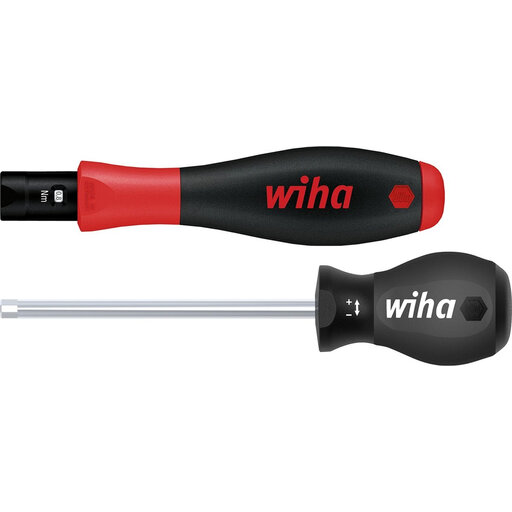
Why it suits this user: This model is designed for users who need adjustable torque for assembly, maintenance or technical installations.
The 0.5–2.0 Nm range and integrated window scale let you set the torque in advance, rather than relying solely on feel.
Click signal at the set torque, SoftFinish handle, CE marking and an included factory inspection report.
For small electronics, you could also consider a precision screwdriver, such as the 10-piece WORKPRO set with slotted, Phillips and Torx sizes. For repetitive plasterboard work, the corded Makita FS4000, with 570 W, speed control and a depth stop, is in a different category. For electrical work, check the stated IEC 60900 inspection and permitted voltage for Wera VDE models, for example.
We’ve put together a complete, up-to-date list of products that meet these strict selection criteria and the applicable European safety regulations.
Furniture usually requires Phillips, Pozidriv and Torx bits. A cordless screwdriver with adjustable torque helps prevent you from driving screws too far into sheet material. For occasional assembly, a manual ratchet screwdriver or compact bit set is often enough.
A cordless screwdriver uses electricity to charge, but the energy used per charge is generally low. Pay particular attention to battery capacity, charging time and whether the battery can be replaced. For prolonged repetitive work, a corded electric screwdriver may be more practical, as you won’t need to stop to recharge it.
Its lifespan depends on the material, workload, storage and how it is used. Don’t use a screwdriver as a chisel or lever. Choose the right bit size and replace worn bits promptly. Clean the tool with a dry cloth and keep metal parts dry to help prevent corrosion.
