
Vandaag of morgen in huis

Kwaliteit gegarandeerd

Welkomstaanbiedingen ontgrendelen: GRATIS bezorging | Tot 80% korting | Gratis 30 dagen JoyPlus-proefperiode
Download de app
Burnt-on residue in your favourite pan, stubborn limescale in the shower, or wall stains that just won't budge. We've all been there. A thorough cleaning session can be incredibly satisfying, but only if you have the right tools. The wrong scouring sponge can cause scratches, while one that's too soft is useless against baked-on grease.
My name is Joybuy, and as a Product Recommendation Officer at Joybuy, I'm here to help you make the right choices. In this article, we'll explore various types of cleaning aids, from the classic scouring sponge to powerful abrasive cleaners. This way, you'll find the perfect solution for your specific cleaning job, without any marketing jargon.
Before you make a choice, it's helpful to know which type of product best suits your situation. Pay attention to the following points.
Not every sponge is suitable for every surface. For example, a stainless steel scourer is perfect for removing caked-on residue from a cast-iron pan or barbecue grill, but it can leave permanent scratches on a non-stick pan or a glass cooktop. On the other hand, a soft magic eraser sponge is ideal for smooth walls or plastic window frames. So, always consider the material you need to clean first.
For concentrated scrubbing on a small area, like a caked-on pan, a physical pot scourer is often the most convenient choice. Are you dealing with a larger area, like an entire tiled wall in the bathroom or the kitchen countertop? Then a liquid abrasive cleaner might be more practical. You can apply it to a cloth or soft sponge, allowing you to distribute it evenly and tackle a large area with less effort.
Some sponges, like the magic eraser, only need water to be effective. This is a great solution if you prefer to avoid using chemical agents. For tougher jobs, like degreasing pans or deep-cleaning an oven, the combination of a powerful sponge with a degreasing dish soap or a special abrasive cleaner is often indispensable.
Based on product specifications and their applications, we have made a selection for various common cleaning challenges.
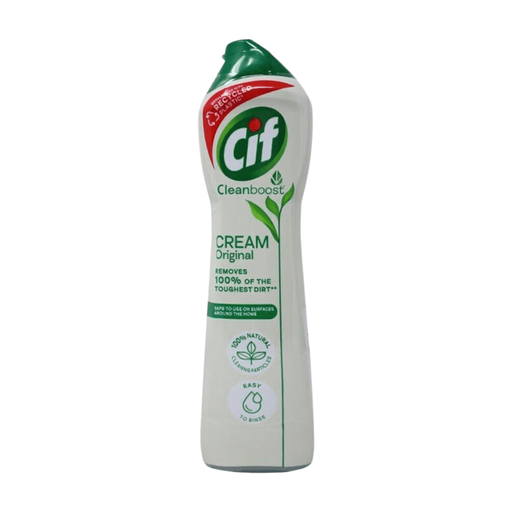
Why this stands out Cif Cream isn't a sponge, but a liquid cream you apply with a cloth or sponge. According to the manufacturer, its formula contains micro-crystals that help effectively remove dirt without damaging the surface. Its versatility makes it a popular product for both kitchen cleaning and bathroom cleaning.
Advantages
Who is this suitable for? This is a great choice for anyone looking for a single product for multiple cleaning jobs around the house. Ideal for cleaning sinks, bathtubs, tiled walls, and cooktops.
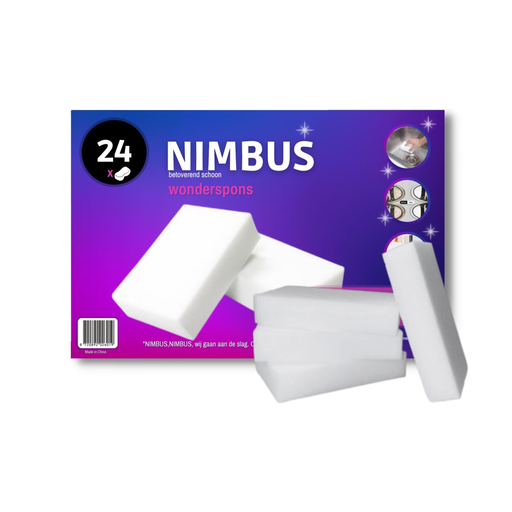
Why this stands out The magic eraser sponge, also known as a melamine sponge, works in a unique way. All you need is water. The sponge acts like extremely fine sandpaper, 'erasing' stains from surfaces. Think of marker streaks on a wall, scuffs on plastic furniture, or caked-on dirt on trainers.
Advantages
Who is this suitable for? Perfect for households that want to limit the use of chemicals. Also a great solution for removing specific stains on walls, doors, and window frames. Please note: the manufacturer recommends testing the sponge on an inconspicuous area first, as it can leave a dull finish on high-gloss or polished surfaces.

Why this stands out This is the powerhouse among sponges. Made from 304 stainless steel, this pot scourer is designed for one purpose: removing caked-on residue and burnt-on food. Its spiral structure is robust and long-lasting.
Advantages
Who is this suitable for? This is the designated solution for anyone who regularly cooks with cast-iron pans, stainless steel baking sheets, or uses a barbecue. Never use this scourer on delicate surfaces like non-stick pans, plastic, or painted materials, as it is guaranteed to cause scratches.
These recommendations are a starting point for the most common cleaning jobs. Are you looking for microfibre cloths, special brushes, or other tools? Check out our full range in the Cleaning category.
1. How do you use a magic eraser sponge correctly? Wet the magic eraser sponge with water and squeeze out the excess. The sponge should be damp, not dripping wet. Then, gently rub the stain. You will notice the sponge slowly wears away, similar to a pencil eraser. Rinse the surface afterwards with a clean, damp cloth.
2. Can a stainless steel scourer cause scratches? Yes, absolutely. A stainless steel scourer is highly abrasive and intended exclusively for uncoated, scratch-resistant materials like stainless steel, cast iron, and oven racks. Never use it on non-stick coatings, glass, ceramic, or plastic. When in doubt, always test on a small, inconspicuous area first.
