
Vandaag of morgen in huis

Kwaliteit gegarandeerd

Welkomstaanbiedingen ontgrendelen: GRATIS bezorging | Tot 80% korting | Gratis 30 dagen JoyPlus-proefperiode
Download de app
A good scouring pad can make or break a cleaning job. But when you're in the aisle, dozens of options stare back at you. The result? You come home with a sponge that scratches your new pans or falls apart after a single scrub. Choosing the right scouring pad isn't a minor detail; it's the foundation of efficient cleaning.
As a Joybuy Product Recommendation Officer, I see the challenges consumers face every day. A lot of frustration can be avoided by looking beyond the marketing. Let's avoid the most common pitfalls.
The key is knowing which type of pad you need for which task.
Before you make a choice, there are two simple but important factors to consider: the material and the construction of the pad. These determine what the pad is suitable for and how long it will last.
The material of the scouring or sponge layer is crucial.
Most pads are dual-sided: a scouring side for tough dirt and a soft, absorbent side for wiping and cleaning. This makes a standard kitchen sponge versatile.
For specific tasks, other forms exist. A sponge with a handle offers a better grip and keeps your hands away from dirt and cleaning agents, which is useful for scrubbing tiles in the bathroom. A large, soft car sponge, on the other hand, is specially designed to hold a lot of water and not damage your car's paintwork.
To help you make the right choice, we've matched several products to specific user profiles.
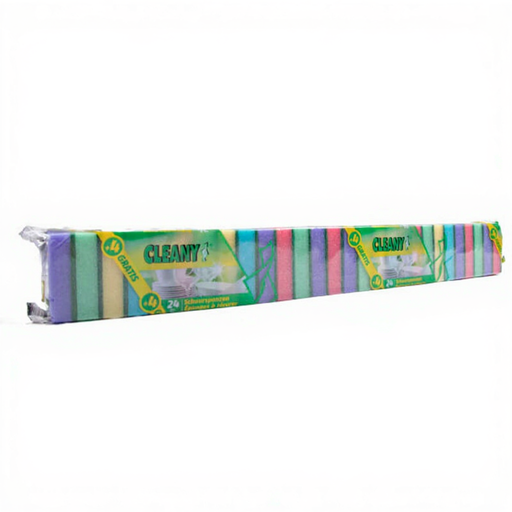
Why This Fits Their Persona: For those who are practical and don't want to keep running to the store for new sponges. This value pack provides an ample supply for all daily cleaning jobs in and around the house.
You avoid the pitfall of the quickly worn-out sponge by always having a fresh one on hand. This ensures a hygienic and effective clean without paying a premium.
Value Pack: With 28 pieces, you have a long-lasting supply.
Dual-Sided: A scouring side for tough dirt and a soft sponge side for general use.
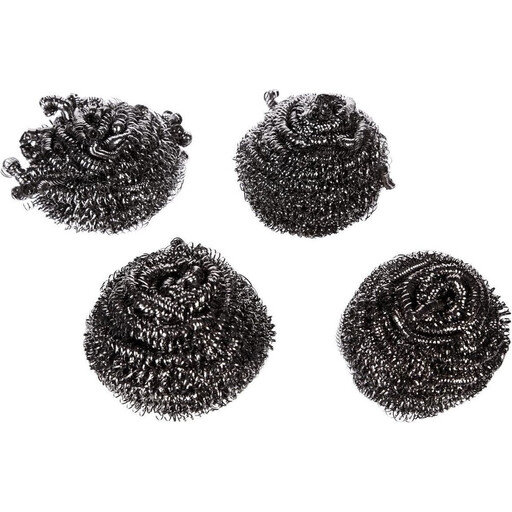
Why This Fits Their Persona: For those who cook regularly and are tired of burnt-on residue on stainless steel pans, oven dishes, or the barbecue. This is the tool for the heavy-duty work where a normal sponge fails.
This product prevents the frustration of endlessly scrubbing with an unsuitable sponge. It is specifically designed for one task and performs it excellently, without the false promise of being a one-size-fits-all solution.
Powerful: Ideal for burnt-on grime on uncoated pans, grills, and baking sheets.
Durable: Made of stainless steel for a long lifespan.
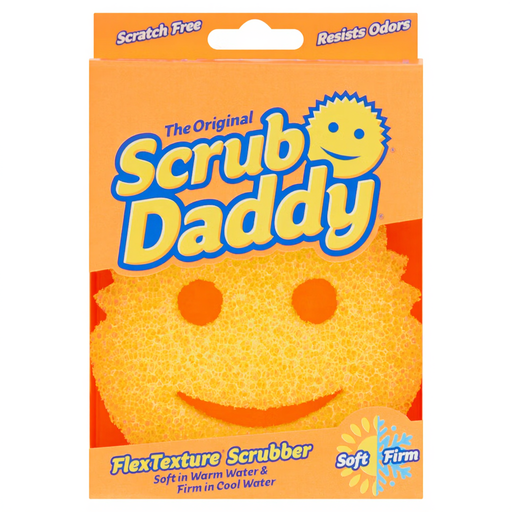
Why This Fits Their Persona: For those who love innovation and are looking for a versatile product. The Scrub Daddy is known for its unique material that changes texture based on water temperature.
This product bypasses the "all-purpose" pitfall by actually changing its function. It's firm in cold water for scrubbing and soft in warm water for light cleaning, making it truly multi-functional.
FlexTexture Material: Adjusts to the water temperature for different jobs.
Scratch-Free: According to the manufacturer, it's safe to use on most surfaces, including non-stick coatings.
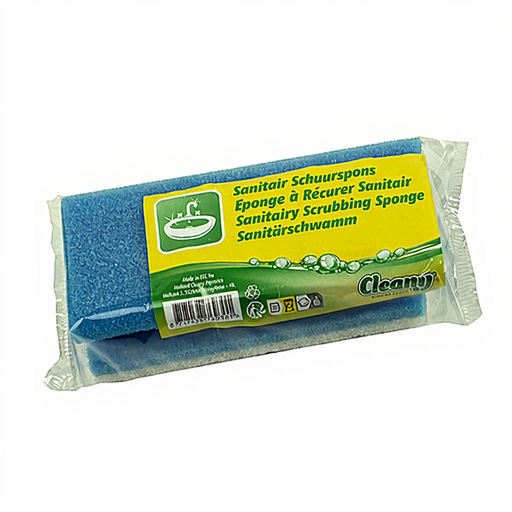
Why This Fits Their Persona: Specifically for tackling limescale and soap scum in the bathroom. The ergonomic shape provides a good grip when cleaning tiles, shower screens, and sinks.
By using a dedicated bathroom sponge, you prevent cross-contamination with kitchen sponges. This model is designed for typical bathroom grime and prevents scratches on sanitary ware and chrome fixtures.
Ergonomic Shape: Fits comfortably in the hand for more scrubbing power.
Effective Against Limescale: The scouring layer is designed to remove limescale and soap scum.
We have compiled a complete, up-to-date list of products that meet these selection criteria and current regulations.
For good hygiene, it is recommended to replace a kitchen sponge that you use daily every one to two weeks. Sponges are a breeding ground for bacteria. Rinse the sponge well after each use, squeeze it dry, and leave it in a place where it can air out properly.
Never use a standard (green) scouring pad or a stainless steel scouring pad on a non-stick coating. This will permanently damage the coating. Always choose a product explicitly labelled as a non-scratch pad. When in doubt, it's best to use the soft side of the sponge or a brush specially designed for non-stick coatings.
A regular cleaning sponge is intended for removing grease and food residue, often in combination with washing-up liquid. A magic sponge (melamine sponge) works differently. You use it with only water, and it functions as a very fine abrasive to 'erase' stubborn stains, scuffs, and marks from hard surfaces. It is less suitable for daily dishwashing because it wears out faster and does not hold soap well.
