
Evening viewer with a darkened room
You want to follow dark space and nature scenes clearly, and are comparing OLED with Mini LED. Consumentenbond reports deeper blacks and generally a wider viewing angle with OLED.


OLED is a natural choice if you mainly watch in the evening or in a darkened room, and deep blacks and a wide viewing angle matter to you. If you often watch during the day, compare bright Mini LED models and pay attention to reflections too. Consumentenbond reports deeper blacks on OLED, while Tweakers noted both reflections and blooming on the TCL C8L/C89L it tested. Measure your viewing distance before choosing a screen size, then check the source device, audio connections and energy consumption of the exact model.
You want to follow dark space and nature scenes clearly, and are comparing OLED with Mini LED. Consumentenbond reports deeper blacks and generally a wider viewing angle with OLED.
You also watch during the day and are weighing brightness against reflections and black levels. Assess the specific model in the light conditions of your own room.
You want to make out details from your seat, and will choose a screen size only after measuring the viewing distance and the space available.
Best for: mainly evening viewing, when black levels and viewing angle matter.
Bear in mind: compare the brightness and reflections of the specific TV if you also watch during the day.
Best for: regular viewing in daylight, when a bright picture is important.
Bear in mind: Tweakers noted reflections and blooming on the TCL C8L/C89L it tested; this assessment does not automatically apply to other models.
Best for: when screen size and purchase price matter more than the contrast offered by another display technology.
Bear in mind: according to Consumentenbond, QLED refers to an LCD variant; assess black levels and viewing angle for each individual TV.
Start by considering the light in your viewing room, then measure the viewing distance. Finally, check which picture and audio formats your source devices and equipment use.
| What to consider | What to check before buying | Who is this important for? |
|---|---|---|
| Contrast in a dark room | Compare black levels and dark scenes in your usual viewing conditions. | In a darkened room, I want to keep seeing subtle details in dark space scenes. Around 33% of consumers in this viewing situation prioritise contrast and detail in blacks. |
| Brightness and reflections | View the TV in lighting similar to your room and look out for reflections. | If I also watch during the day, I want to follow scenes without reflections from windows or lamps becoming distracting. Around 25% of consumers prioritise brightness and reflections for this reason. |
| Screen size and viewing distance | Measure the distance to your viewing position and check the available space and the quality of your documentary source. | From my seat, I want to see details without the screen overwhelming the available space. That is why around 25% of consumers start by considering screen size and viewing distance. |
| Sound and running costs | Check the audio connection on the exact model and compare its energy label ratings for SDR and HDR. | I want to hear dialogue clearly and connect my existing audio equipment; energy use matters too. Around 17% of consumers prioritise sound and running costs. |
According to Consumentenbond, QLED is an LCD variant. So don’t automatically expect the same black levels or viewing angle as with OLED.
Compare both the display technology and the picture quality of the specific TV in lighting conditions similar to those in your room.
A comfortable screen size depends on how far away you sit. A 4K screen won’t automatically make a source without 4K detail look sharper.
First measure your viewing distance and check the picture quality offered by your documentary source.
As well as high brightness, Tweakers noted reflections on the TCL C8L/C89L it tested in bright ambient light.
Assess the exact TV in lighting conditions similar to those in your own viewing room.
The European energy label shows consumption for SDR and HDR; viewing content and picture settings can affect energy use.
Compare labels for suitable screen sizes on a like-for-like basis, and check both the SDR and HDR figures.
The C5 range is an OLED option for evening viewers to compare; the OLED55C54LA reviewed in the Netherlands is a 55-inch 4K model.
The C8L/C89L range is a Mini LED option to compare if you also watch during the day; the Dutch manufacturer’s page lists the 55C89L model.
According to Philips, the 65OLED810/12 combines OLED with Ambilight, for anyone who wants to include that lighting in their set-up.
The S90F and S99H feature in Tweakers’ Dutch OLED buying guide as models to compare with other OLED TVs.
This Joybuy selection features OLED TVs for viewers who value dark scenes and black levels in a home cinema. Measure your viewing distance before choosing a screen size.
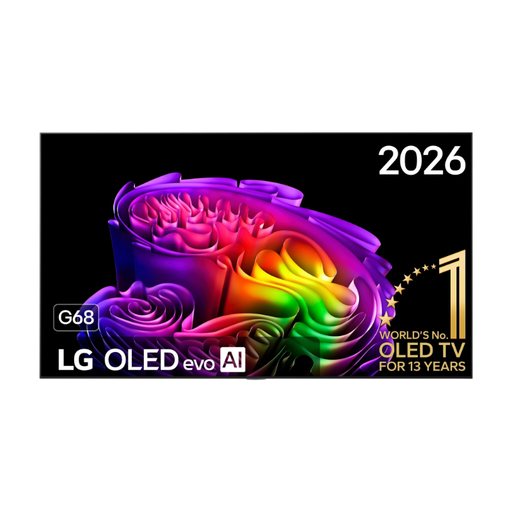 No image available
An OLED model to consider if black levels in dark scenes matter to you.
OLED.
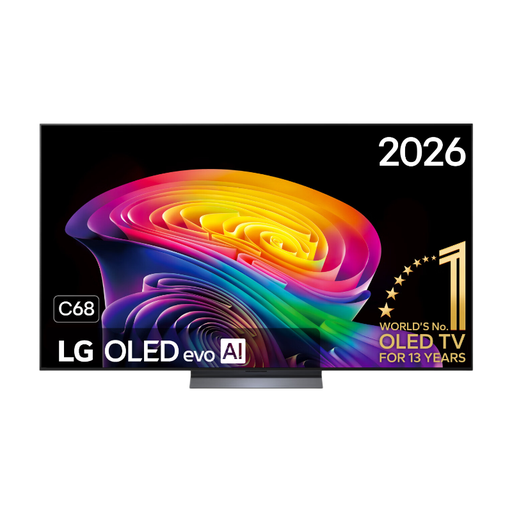 No image available
An OLED option for viewers who value black levels in dark scenes; check that the screen size suits your viewing distance.
65 inches; 4K; Dolby Vision, HDR10 and HLG.
No image available
An OLED option for viewers who value dark scenes; measure the distance to your seat before choosing a 55-inch screen.
55 inches; 4K; Dolby Vision, HDR10 and HLG.
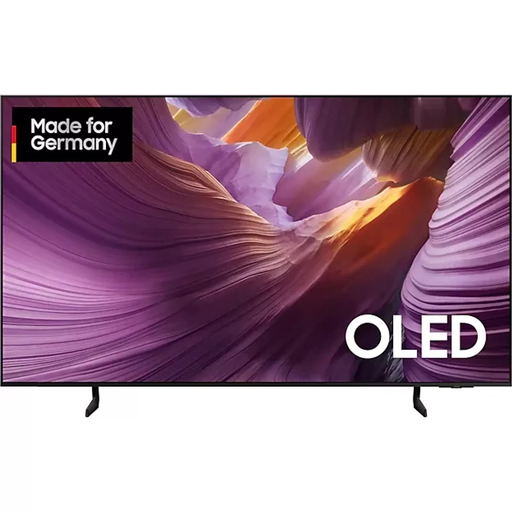 No image available
An OLED option for viewers who want to watch dark scenes; compare the 55-inch size with your viewing distance and available space.
55 inches; 4K; OLED.
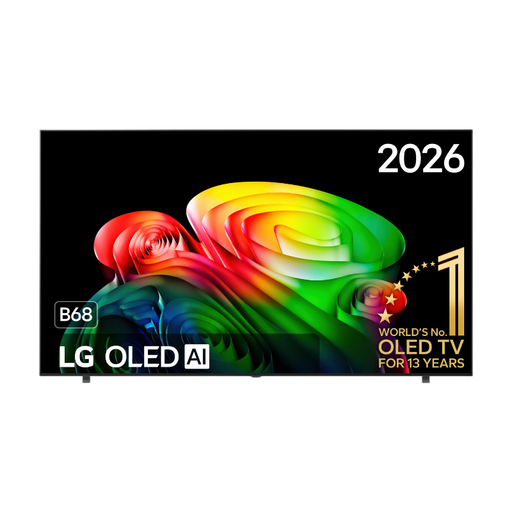 No image available
An OLED option for anyone who values dark scenes; check that a 77-inch screen suits your viewing distance and room.
77 inches; 4K; Dolby Vision, HDR10 and HLG; eARC.
Not necessarily: the source must contain the detail too. Consumentenbond also notes that the difference between 4K and Full HD isn’t always easy to see. So check the picture quality of the programmes you watch.
Measure the distance from your seat to the planned TV position, and check the available width and viewing angle too. Consumentenbond cites around 2.4 times the screen diagonal as a viewing distance respondents found comfortable; treat this as a guide, not a requirement.
Be mindful of images that remain unchanged for a long time, and vary the content you watch. In an older test under extreme conditions, Consumentenbond observed temporary image retention and could not entirely rule out burn-in. This is not a model-specific risk assessment for a current TV.
Compare the energy consumption of the exact models for SDR and HDR on the European energy label. In the Netherlands, you are entitled to a product that is fit for purpose; according to the Dutch government, there is no fixed statutory warranty period, and the retailer is your point of contact if something goes wrong. The EU sets rules for energy labels on TVs; a label class in itself does not set a mandatory minimum class for buyers.
For online distance purchases from a business, the Dutch government says you generally have 14 days to change your mind in many cases. Check the relevant terms and conditions; according to this guidance, purchases from a private seller are not covered by the same distance-selling rules.