
Vandaag of morgen in huis

Kwaliteit gegarandeerd

Welkomstaanbiedingen ontgrendelen: GRATIS bezorging | Tot 80% korting | Gratis 30 dagen JoyPlus-proefperiode
Download de app
A new notebook, a set of ballpoint pens or a creative hobby set might seem easy to choose. Yet mistakes often happen because of small details: paper that bleeds through, a pencil sharpener that fills up quickly, or a planner that doesn't suit the way you work. When buying school and office supplies for school, work, journaling or as a gift, it pays to look at the practical specifications first.
A hard cover, foil stamping or botanical print may look appealing, but it doesn't determine how pleasant a notebook is to write in. Always check the paper weight, colour and layout instead. Paper of 80 g/m² is light and suitable for everyday use, while 100 g/m² can offer more sturdiness and less chance of bleed-through, according to the product description. The result also depends on the ballpoint pen, fineliner or marker you use.
With a notebook, the difference between sheets and pages matters. 96 sheets usually give you 192 pages when both sides can be used. Also pay attention to the size:
A compact notebook may offer too little space for lectures, while a large notebook can be unnecessarily heavy for daily commuting.
Check whether the description matches the product. A mention like "school chalk" does not automatically mean it is drawing material. The available product information for Venco School Chalk XL, for example, describes sweets with mint and aniseed flavour, not chalk for a blackboard. This product therefore does not belong on a list of writing supplies for school or office.
For frequently used notebooks and planners, paper weight, ruling type and binding are the most important points to check. Glued paper is often practical for loose notes. A sewn binding can help a notebook lie flatter when open. Spiral binding is handy when you write with one hand or want to fold pages completely over.
An A5 notebook with 100 g/m² cream-coloured offset paper suits long notes and journaling. For quick tasks, an A7 pad with squared paper can be more efficient. Also check whether the product is lined, squared, blank or has a planner layout.
With a mechanical pencil, the lead thickness and hardness are important:
When buying refills, make sure they match the same diameter as the holder. A metal casing can feel heavier, but may not be comfortable for everyone during long writing sessions.
A ballpoint pen with multiple colours is practical for colour-coding in a planner. Besides the number of pens, also look at the tip thickness. A tip of 0.7 mm is a common medium size for everyday writing.
A pencil sharpener with a container prevents shavings from ending up in a pencil case. Check whether the opening is suitable for your pencils. With creative hobby items, the contents are at least as important as the design: check the number of sheets, accessories, recommended age and any warnings.

Why this fits the profile: A compact choice for schoolchildren, families and office workplaces where multiple pencil sharpeners are needed.
The built-in container limits loose shavings in a pencil case or bag. Do check before purchase which opening and version you receive.
Set of four according to the product description; compact design with collection reservoir.
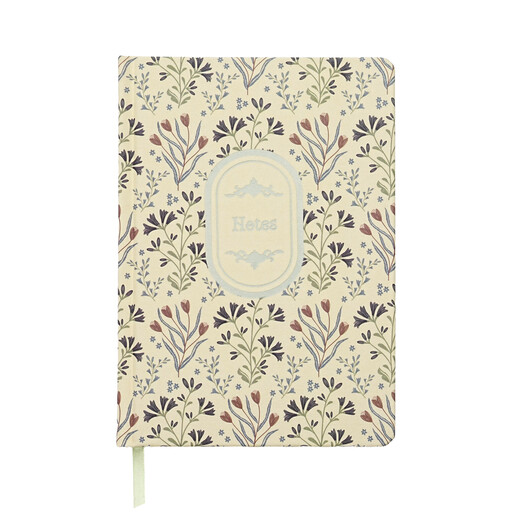
Why this fits the profile: Suitable for adults, students and gift buyers looking for a sturdy A5 journal for writing, work or journaling.
The specifications state A5 size, 96 sheets and 100 g/m² paper. This makes the size and content easier to assess in advance.
192 pages according to the product information; bookmark and elastic closure included.
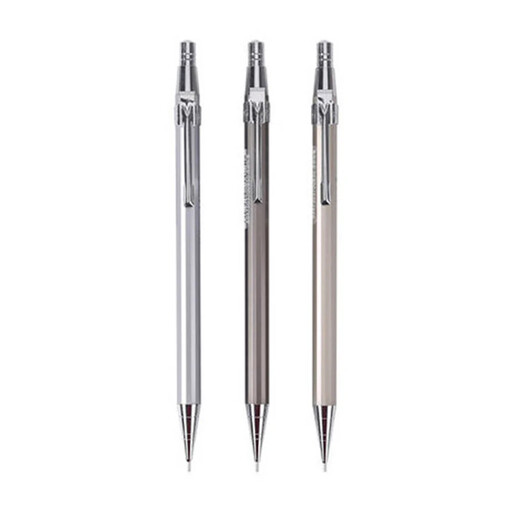
Why this fits the profile: A practical option for technical drawing, sketching, studying and precise writing at school or in the office.
The tip thickness of 0.5 mm and the push-button mechanism are clearly stated. This avoids confusion with broader drawing pencils.
Metal casing; three pencils with black 0.5 mm lead according to the product specifications.
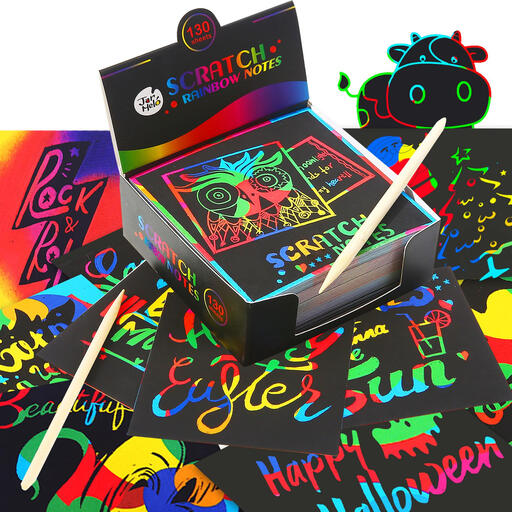
Why this fits the profile: Suitable for children from the stated age, teenagers and adults who enjoy drawing, making cards or combining creative notes.
The number of 130 sheets and the wooden stylus are specified. This makes it clear in advance what the set contains.
130 square scratch sheets; according to the product information, suitable for use without loose paint or markers.
For school or the office, a small, targeted combination is often enough:
For a workplace, an A5 notebook with an elastic closure can be combined with a set of 4-in-1 ballpoint pens. For a student, a planner, mechanical pencil and compact sharpener are logical additions. Creative types can combine a notebook with scratch paper or other creative hobby items.
We have compiled a full, up-to-date list of products that fully meet these strict selection criteria and the applicable European safety regulations.
A notebook or planner, a few ballpoint pens, a pencil, eraser and possibly a pencil sharpener form a practical basis. For specific subjects, a mechanical pencil, coloured pencils or a drawing and craft set may be needed. Always check the materials list from the school or educational institution.
For journaling, A5 notebooks with lined or blank paper are popular. 100 g/m² paper offers a sturdier writing surface than lighter paper, according to many product descriptions. Test markers and fountain pens on a back page first, because bleed-through also depends on the ink.
Store paper dry and flat, close ballpoint pens and markers after use, and empty the container of a pencil sharpener regularly. Keep notebooks away from moisture and direct sunlight. This usually helps the cover, binding and writing surfaces stay in good condition for longer.
