
Vandaag of morgen in huis

Kwaliteit gegarandeerd

Welkomstaanbiedingen ontgrendelen: GRATIS bezorging | Tot 80% korting | Gratis 30 dagen JoyPlus-proefperiode
Download de app
A new school bag, an office desk or a creative workspace often requires more than one pen and a notebook. School and office supplies include writing instruments, paper, drawing materials and practical accessories used every day. However, colourful packaging does not always tell you enough about ease of use or durability.
Three common pitfalls include:
The nib size determines how fine or broad your writing will be. 0.5 mm mechanical pencils are practical for small lettering, technical drawings and precise sketches. A pencil with a 1.8 mm lead is better suited to broader lines and artwork where a thicker line is preferred.
When choosing gel pens, consider:
For multi-colour ballpoint pens, it is useful to check whether each colour can be activated separately and whether the nib is suitable for your writing style.
The size determines where you can use the notebook:
The paper weight, expressed in grams per square metre, gives an indication of its sturdiness. 80 g/m² paper is lightweight and practical for everyday notes. 100 g/m² paper feels more substantial and may be more comfortable to use with gel pens or for more intensive writing. Always check the product information, though: “less show-through” or “bleed-resistant” is a product description, not a guarantee for every pen or type of ink.
A sewn binding can help a notebook lie flat when open. Spiral binding is useful when you want to turn pages with one hand. An elastic closure and bookmark help you keep loose notes together and quickly find your place again.
For coloured pencils, the number of colours, the shape of the barrel and the hardness of the core are all relevant considerations. A hexagonal wooden barrel is less likely to roll off the table. A set of 48 colours offers more possibilities for shading and colour combinations than a small starter set.
When choosing acrylic markers, check:
For children, safety scissors with a protective cap are practical, but supervision remains important. Also check the length, handle and suitability for paper or lightweight materials.

Why it suits this profile: Four compact notebooks are ideal for keeping separate lists, subjects or tasks without having to carry a large notebook around.
The contents are clearly specified: four A7 notebooks with squared paper, each containing 50 sheets and featuring spiral binding.
A7 size, four notebooks per set and a top-flip spiral binding for quick notes.
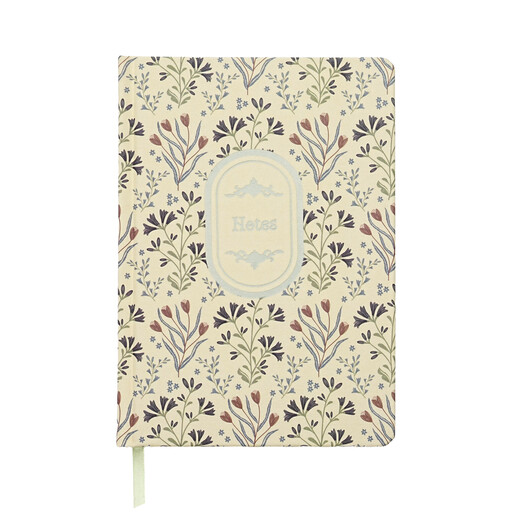
Why it suits this profile: Ideal if you are looking for a sturdy A5 notebook for meetings, studying, journalling or long-term use.
The specifications state the A5 size, 96 sheets, 100 g/m² paper and a fabric-finish hardcover.
192 pages, lined ivory paper, a bookmark and an elastic closure.
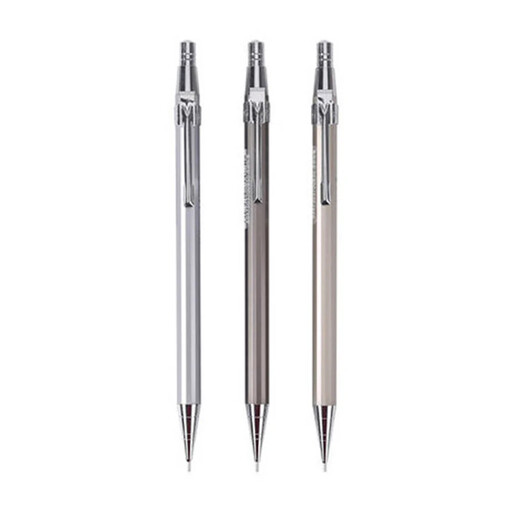
Why it suits this profile: A practical choice for students, artists and professionals who regularly write, sketch or work on technical drawings with precision.
The nib size, metal body, black 0.5 mm lead and push-button mechanism are all specified in advance.
Three-piece set, metal casing and automatic feed of 0.5 mm pencil lead.
We have put together a complete, up-to-date list of products that fully meet these strict selection criteria and the applicable European safety regulations.
Start with a basic set: ballpoint or gel pens, pencils, an eraser, pencil sharpener, ruler, notebooks and glue sticks. For creative projects, you can add coloured pencils, acrylic markers or other drawing materials. Match the quantity to the child’s age, school level and subjects. This helps prevent you from buying a large set that partly goes unused.
A5 is suitable for detailed notes and meetings. A6 is portable and offers more space than a pocket notebook. A7 is best suited to short tasks, reminders and quick ideas. Also consider the binding: a spiral notebook often lies conveniently open, while a hardcover offers more protection in a full bag.
Close gel pens after use, store pencils and markers in a dry place, and do not press unnecessarily hard on the tip. Empty your pencil sharpener regularly so that the collection tray does not overflow. Children’s scissors should have their protective cap fitted when not in use. Always check the care instructions on the product page and packaging.
