When choosing a snack for school, first check that it fits in with any allergies and classroom rules. If there are no restrictions, the choice between a soft egg cake, a wholemeal egg cake and a crunchy digestive comes down to the texture, portion size and nutritional information you prefer. Labels such as ‘wholemeal’ or ‘digestive’ don’t, on their own, tell you enough about the sugars, fats or allergens in the pack you choose.
Who is this choice relevant to?
Parents considering allergies and school rules
If your child has a known allergy or the class has rules about food, start by checking the ingredients, allergen information and any warnings on the pack. Check with the school, too, to find out what children are allowed to bring in.
Parents comparing nutritional values
If you’re choosing between an egg cake and a digestive, compare fibre, sugars, fats and energy on a like-for-like basis: per 100 g and for the amount your child will actually take to school.
Parents looking for a suitable portion for school
A soft egg cake and a crunchy digestive have different textures. The weight of each biscuit or portion can help you work out how much will go into the lunchbox.
What should you look for when choosing?
First, check allergens and school rules. Then compare the nutritional information and portion size of the specific egg cake or digestive you’re thinking of packing.
| What to consider |
What to check before buying |
Who should pay particular attention? |
| Allergens and school rules |
Read the latest allergen information and warnings on the pack, and check the school’s rules. |
If an allergy or classroom rule determines what your child can take in, check this before choosing a type of biscuit. Around 31% of consumers put this check first. |
| Nutritional value |
Compare fibre, sugars, fats and energy per 100 g and per portion being packed. |
If you mainly want to know how two biscuits differ nutritionally, the words ‘wholemeal’ or ‘digestive’ alone won’t tell you much. Around 31% of consumers prioritise this comparison. |
| Portion size and texture |
Check the weight of each biscuit and choose between a soft egg cake and a crunchy biscuit. |
If your child prefers a particular texture, it’s also worth considering how much will actually go in the lunchbox. Portion size or texture is the main consideration for around 23% of consumers. |
| Specific dietary requirements |
Check for labels such as vegan, lactose-free or gluten-free on the exact pack, as well as the other allergen information. |
If you’re looking for a product with a particular dietary attribute, don’t assume it applies to every product in the category. Around 15% of consumers prioritise this kind of attribute. |
Common mistakes
-
Relying on the words ‘digestive’ or ‘wholemeal’ alone
The name doesn’t give you the full nutritional picture. The varieties reviewed differ in fibre, sugars, fats and energy.
Compare the nutritional information per 100 g, then work out what it means for the portion you’ll pack.
-
Using a product name as an allergen check
Even a gluten-free egg cake may contain other allergens. Allergen information varies between different varieties of regular egg cakes and digestives.
Read the pack for the product you’ve chosen. If there are allergies, check with the school, too, to make sure it’s suitable.
-
Assuming one biscuit is always the same-sized portion
A biscuit and an egg cake may not weigh the same. So comparing them by the piece isn’t the same as comparing them by weight.
Check the portion weight on the pack and compare the same amount.
Brands compared
Albert Heijn
The own-label range reviewed includes regular and wholemeal egg cakes, a gluten-free egg cake and a digestive.
- The product information gives you useful details for comparing ingredients, allergens and nutritional values across the different varieties.
- A dietary attribute of one variety doesn’t automatically apply to another, so check the pack you’re buying.
Jumbo
The regular and wholemeal egg cakes reviewed let you compare products within the same category.
- Jumbo lists 3,9 g of fibre per 100 g for the wholemeal egg cake reviewed.
- The varieties reviewed list ingredients including egg, gluten, milk, soya and wheat as allergens.
Bolletje
Bolletje Brosse Eierkoek is a crisp, crumbly option for anyone not specifically looking for a soft egg cake.
- Its crisp texture offers an alternative to a regular soft egg cake.
- Bolletje says Brosse Eierkoek contains ingredients including egg, cereals containing gluten, milk, wheat and soya.
Verkade
The Knappertjes reviewed are small, crunchy biscuits, not egg cakes or digestives.
- They offer a different type of biscuit to assess for size and ingredients.
- According to Verkade, Knappertjes contain wheat flour and a milk ingredient.
Digestives on Joybuy
These products suit anyone choosing a digestive: a crunchy biscuit rather than a soft egg cake. For a school lunchbox, focus on the variety, allergens and weight per biscuit.
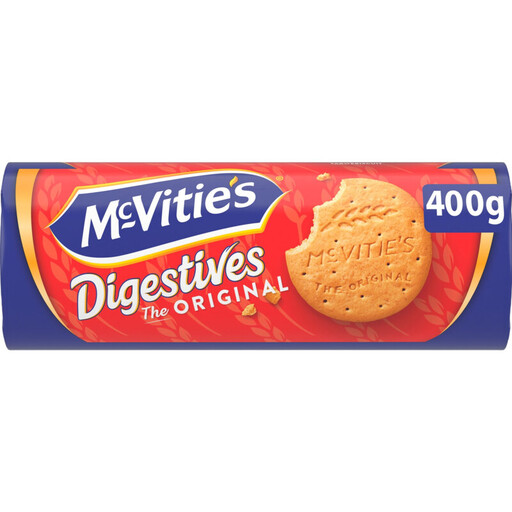 Image unavailable
McVities Digestive Original, 400 g
A good choice if you’re looking for a plain digestive to pack as a crunchy biscuit. Contains wheat and cereals containing gluten, and may contain milk. If there are allergies, check the latest information on the pack.
View on Joybuy
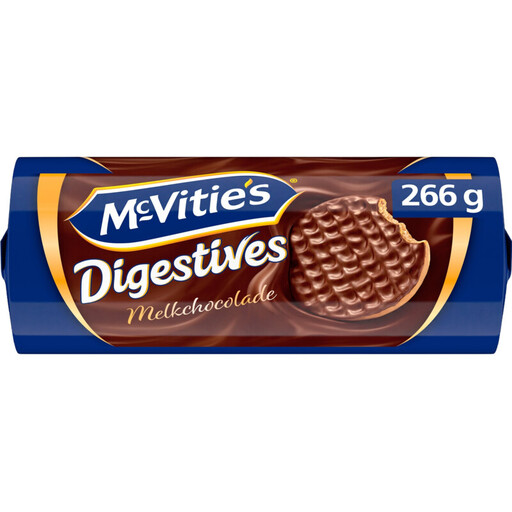 Image unavailable
McVitie's Digestives Milk Chocolate, 266 g
If you’re specifically looking for a digestive with milk chocolate, this could be the one. Contains milk, soya, wheat and cereals containing gluten. When working out a suitable portion for school, check the weight of each biscuit on the pack.
View on Joybuy
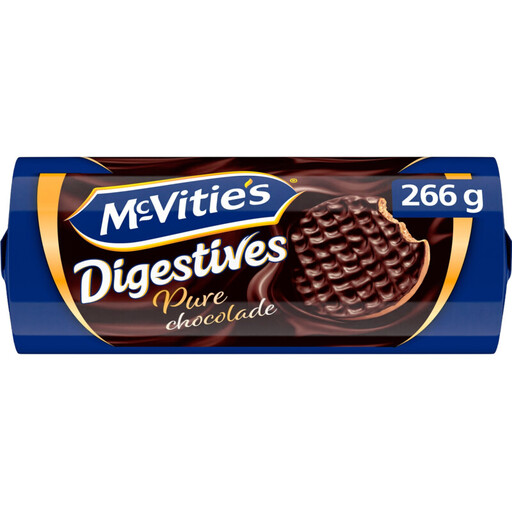 Image unavailable
McVitie's Digestives with Dark Chocolate, 266 g
If you’d like to pack a digestive with dark chocolate, this could be a good option. Contains gluten from wheat, milk and soya. Check the weight of each biscuit on the pack before comparing portions.
View on Joybuy
Frequently asked questions
Are egg cakes always gluten-free?
No. The regular egg cakes reviewed list ingredients including wheat or cereals containing gluten. Even if you choose a product labelled gluten-free, check the pack for other allergens.
Can I pack an egg cake or digestive for school?
It depends on the school’s rules and any allergies in the class. Before packing or handing them out, check what’s allowed. The Netherlands Nutrition Centre advises taking children with allergies or dietary restrictions into account when bringing in treats.
Does ‘digestive’ tell you more about nutritional value than ‘egg cake’?
No. The product name doesn’t replace the nutritional information. Compare the fibre, sugars, fats and energy per 100 g on the packs you’re considering, then check the portion your child will actually take to school.
How should I store biscuits for the school week?
Follow the storage advice on the pack you’ve chosen. The egg cakes and digestives reviewed advise storing them in a cool, dry, dark place. Once opened, keep the pack tightly closed and follow the product-specific advice.


