
Kitchen hygiene manager
You want to replace and wash shared, used cloths on time, following your working procedures. The Netherlands Nutrition Centre recommends replacing dishcloths daily and washing them at 60 °C.


Choose a machine that can wash the kitchen towels you use on a standard cotton programme at 60 °C, in line with their care labels; the Eco 40-60 programme name does not confirm this. The Netherlands Nutrition Centre recommends washing at 60 °C. A domestic machine may suit a smaller laundry load, while a professional machine with cloth programmes may be worth considering for intensive use. Base your choice on the volume of laundry, the terms of use and the school’s food safety instructions.
You want to replace and wash shared, used cloths on time, following your working procedures. The Netherlands Nutrition Centre recommends replacing dishcloths daily and washing them at 60 °C.
You want to compare the laundry volume during a busy school week with the load capacity and suitability of a domestic or professional machine.
You want to choose a machine that fits the available space and take running costs and maintenance into account, without opting for more drum capacity than you need.
First, check that the programme is suitable for the cloths and the food safety instructions. Then take the laundry volume, usage and available space into account.
| What to consider | What should you check? | Who is this important to? |
|---|---|---|
| Suitable wash programme | Check the care label and whether the exact model has a standard cotton programme at 60 °C. | I want to be able to wash the cloths in line with their care labels and the kitchen instructions. Around 36% of consumers give a suitable kitchen towel programme top priority. |
| Capacity for the weekly wash | Count the cloths and any other suitable laundry per load; compare the total with the maximum load for the programme you choose. | During a busy school week, I want to know whether the laundry can be handled in suitable loads. Around 29% of consumers focus on having enough capacity for their actual laundry volume. |
| Running costs for frequent washing | Compare the energy label figures for suitable laundry with information about the programme you actually need. | If the machine runs often, I want to factor in running costs without choosing a programme that is unsuitable for the cloths. Around 21% of consumers prioritise running costs. |
| Space and maintenance | Measure the machine and the access route; check the connections, terms of use and access to the drawer, door seal and filter. | I want to know in advance whether the appliance will fit in the kitchen and be practical to maintain. Around 14% of consumers give installation and maintenance top priority. |
The programme name does not guarantee that the water reaches 60 °C. The Consumers’ Association reported a range of maximum temperatures measured for this programme.
Check the care label and the programme table for the exact model. For kitchen towels, choose a suitable standard cotton programme at 60 °C.
A machine should suit the amount of laundry you have; extra capacity is not automatically necessary for a small batch of cloths.
Count the cloths and other suitable textiles in each load and compare the total with the programme’s load capacity. Milieu Centraal recommends choosing a drum size that suits your laundry needs.
According to Miele, the Miele PWM 506 Mop Star 60 has special programmes for mops and cloths and has been tested for intensive use. That does not automatically mean its stated 6 kg capacity is right for every school.
Compare the usage intensity, programmes and load capacity of the exact model with your actual laundry volume and the installation and operating requirements.
These model examples include both domestic front-loading machines and a professional machine for washing cloths. Always check the full model code and the settings required for the cloths you use.
For the PWM 506 Mop Star 60, Miele lists special programmes for mops and cloths, as well as testing for intensive use.
Bosch describes the WAN28270NL as a freestanding domestic front-loader with temperature selection.
Samsung lists a 9 kg capacity for the domestic front-loader WW90DG6U25LEU3.
For the freestanding B3WM4841W2, Beko lists a cotton programme and a Hygiene+ programme, among other features.
The Joybuy products below are domestic front-loaders for anyone looking to wash a suitable weekly batch. Check that each model’s programme and load capacity are right for your kitchen towels.
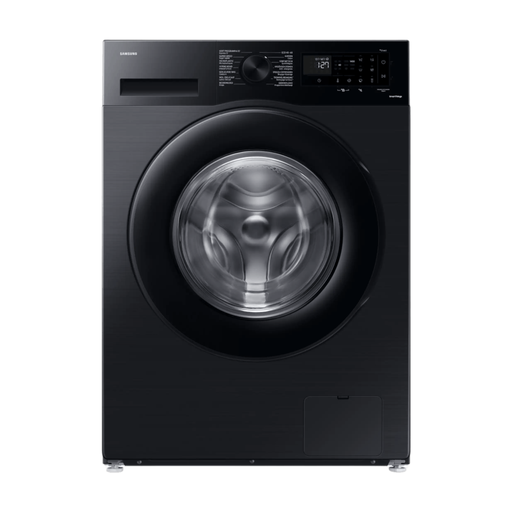 Image unavailable
A domestic front-loader to consider if you need to handle a larger weekly batch.
11 kg capacity; cotton programme; automatic load detection.
 Image unavailable
An option if you are looking for a domestic machine whose instructions list a cotton start cycle at 60 °C.
9 kg capacity; Cotton 60 °C start cycle; dimensions 600 × 550 × 850 mm.
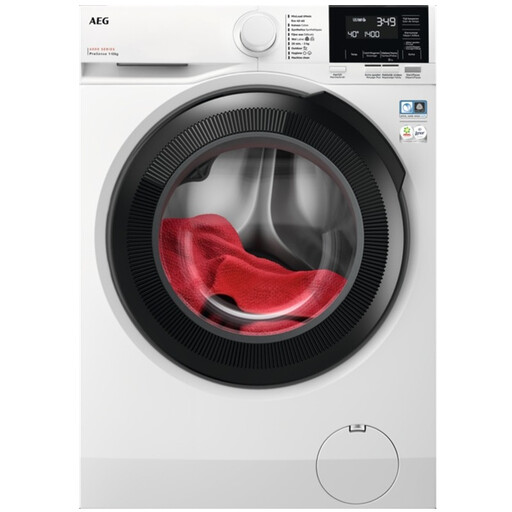 Image unavailable
The capacity may be worth considering if your usual laundry batch is larger; check which programme is suitable for the cloths.
10 kg capacity; ProSense load detection; dimensions 597 × 660 × 847 mm.
 Image unavailable
A domestic front-loader for weighing up capacity and temperature settings against your laundry needs.
8 kg capacity; cotton programme; adjustable temperature; dimensions 595 × 475 × 850 mm.
 Image unavailable
An option to compare if an 8 kg domestic front-loader looks like a good fit for your laundry volume.
8 kg capacity; 16 programmes; dimensions 595 × 601 × 850 mm.
If the cloths need to be washed at 60 °C, don’t rely on the Eco 40-60 name alone. The Consumers’ Association reported measured temperatures of 20 to 50 °C for this programme; the Netherlands Nutrition Centre recommends washing dishcloths at 60 °C. Check the care label and choose a suitable standard cotton programme.
The Netherlands Nutrition Centre recommends replacing dishcloths daily. Wash used kitchen towels at 60 °C and hang damp cloths up to dry; don’t wait until the weekly wash to replace a used dishcloth.
Follow the working procedures and hygiene code relevant to the school’s food activities. The Netherlands Nutrition Centre sets out food safety rules for schools that handle food or drink; according to the NVWA, organisations that prepare, process or sell food must have an HACCP food safety plan.
The energy label provides information including the energy and water consumption of domestic washing machines, but this does not automatically show the consumption of a separate 60 °C cotton programme. Ask for the specific consumption figures for that programme.
Let the drawer and door dry, and check the door seal and filter regularly. The Consumers’ Association recommends cleaning the drawer and the area around it; follow the instructions for cleaning and maintenance intervals in the manual for your chosen model.