For regular school holiday lunches, a wholemeal loaf is a practical staple if the slices will be eaten or frozen in portions straight away. If your lunch plans vary, half a loaf may be a better fit; bake-at-home rolls offer variety but take time to prepare. Choose a size that suits what your household will actually use.
Who are these options for?
Families eating several lunches at home
If bread is on the table on many days of the holiday, a whole loaf could be a good choice. The Netherlands Nutrition Centre advises freezing bread in portions straight after buying it and taking out only what you need each day.
Smaller households and changing holiday plans
If you don’t eat lunch at home every day, you could choose half a loaf or freeze a whole loaf in portions. This helps you match the amount to the days when you’ll actually be eating bread.
Lunch-makers looking for variety
Individual rolls or bake-at-home baguettes give you another way to serve bread. If you choose bake-at-home products, check that the preparation time fits into your lunch plans.
What should you look for when choosing?
First, choose a loaf size that suits the number of lunches you’ll be eating at home. Then decide whether wholemeal, storage or variety matters most to your household.
Wholemeal loaf
A good fit if: you need sandwiches on several days and can freeze any unused slices.
Bear in mind: a whole loaf can dry out if it’s left uneaten for too long.
Half a loaf
A good fit if: you’ll only be having lunch at home on a few days, or don’t use much bread at a time.
Bear in mind: you may need to buy bread more often if you’re planning several lunches.
Bake-at-home rolls
A good fit if: you want to serve individual portions or a different type of bread for lunch.
Bear in mind: they take time to prepare and need an oven.
| What to consider |
What to look for |
Who it matters to |
| Amount per lunch |
Check the loaf size and weight, and how many lunches you can get from it. |
If we eat bread almost every day, I want to have enough slices at home without throwing any away. This is the main priority for around 33% of consumers. |
| Wholemeal and nutritional information |
Check whether it’s labelled wholemeal and read the ingredients and nutritional information on the packaging. |
For everyday lunches, I want to know which bread is labelled wholemeal and what the packaging says. This nutritional information matters most to around 27% of consumers. |
| Storage and planning |
Choose a suitable size, or freeze the bread in portions straight after buying it, as advised by the Netherlands Nutrition Centre. |
When our holiday schedule changes, I want to take out only the slices we’ll eat that day. Around 20% of consumers give top priority to reducing leftovers. |
| Variety at the table |
Check the type of bread, the number of pieces and, for bake-at-home products, the preparation instructions. |
If we don’t want the same sandwich every day, I’d like to serve a different type of bread sometimes. This variety comes first for around 20% of consumers. |
Common mistakes
-
Buying a whole loaf without a plan for leftovers
If your lunch plans change, slices can be left uneaten and dry out.
Choose half a loaf if you don’t need much, or freeze a whole loaf in lunch-sized portions straight after buying it. The Netherlands Nutrition Centre advises taking out only what you’ll use each day.
-
Assuming multigrain means wholemeal
A bread containing several types of grain isn’t automatically wholemeal.
Look for the wholemeal label and check the packaging if you specifically want wholemeal bread. The Netherlands Nutrition Centre distinguishes between wholegrain products and white products made from flour.
-
Assuming bake-at-home bread is ready for lunch
Bake-at-home products need preparing, so they won’t suit every lunchtime. For example, PLUS says its wholemeal multigrain baguettes need 8–10 minutes in the oven at 220 °C.
Read the preparation instructions for your chosen product before deciding when to serve it.
-
Assuming all bread contains iodine
According to the Netherlands Nutrition Centre, bread made with iodised baker’s salt is an important source of iodine in the Netherlands. That doesn’t tell you which salt has been used in an individual loaf.
Check the ingredients on the packaging if the use of iodised baker’s salt matters to your choice.
Supermarkets to consider
Albert Heijn
Albert Heijn lists its own-brand loaves and other types of bread online.
- You can browse different shapes and varieties of bread.
- Albert Heijn warns that ingredients, nutritional values and allergen information may change; check the current packaging.
Jumbo
Jumbo lists wholemeal loaves and wholemeal baguettes, among other products.
- The product information for Jumbo Fijn Volkoren lists 7.6 g of fibre per 100 g.
- Don’t assume the nutritional information for this specific loaf applies to other Jumbo varieties.
Lidl
Lidl lists several wholemeal loaves in its bread range.
- Its sliced Knip wholemeal loaf is listed as an 800 g pack.
- Check which varieties are available at your local store before visiting.
ALDI
ALDI lists whole and half loaves, including wholemeal varieties.
- A half loaf gives households that use fewer slices a separate size option.
- The characteristics of ALDI Extra vezelrijk volkorenbrood don’t automatically apply to other loaves from the retailer.
PLUS
PLUS lists wholemeal loaves and wholemeal multigrain baguettes.
- PLUS says its wholemeal multigrain baguettes come as two per pack and take 8–10 minutes to prepare at 220 °C.
- Bake-at-home baguettes call for a different lunch routine from bread that’s ready to serve.
Dirk
Dirk lists Bakker van der Akker wholemeal bread and wholemeal bake-at-home baguettes, among other products.
- The products shown offer both a whole loaf and a bake-at-home option to consider.
- Check the size and preparation instructions for each product before adding it to your lunch plans.
Bread products on Joybuy
These products include flatbread, rye bread and a round wheat loaf as possible choices for holiday lunches. Check each pack to see whether the type, quantity and any preparation required suit your plans.
 No image available
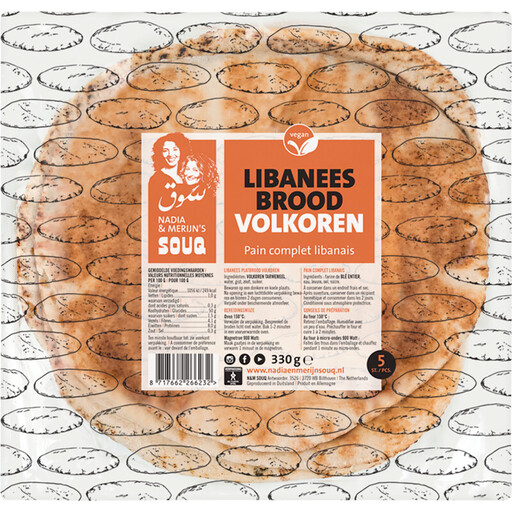
Souq Lebanese wholemeal wheat flatbread, 6 pieces
An option if you want to put together a lunch using individual flatbreads. The product name lists six pieces; check the current ingredients and allergen information on the packaging before use.
View on Joybuy
 No image available
TastyBasics rye bread, 9 pieces
A rye bread option for lunches where you want to plan individual portions. The product name lists nine pieces; check the packaging to see whether the bread needs baking before serving.
View on Joybuy
 No image available
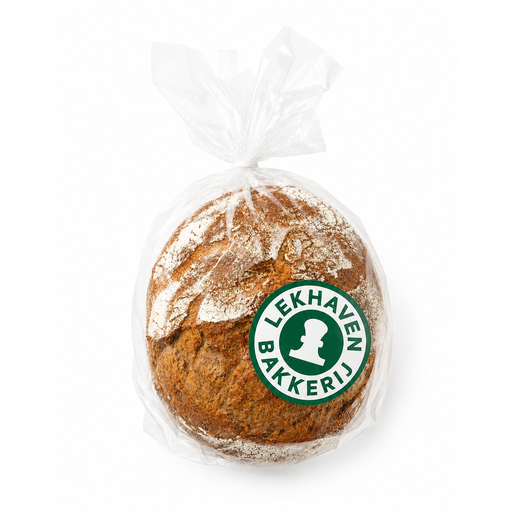
Lekhaven Bakkerij round wholemeal wheat loaf, 550 g
A round loaf to consider if you want to use one loaf for several lunches. The product name lists 550 g; allow time to defrost and bake it, and follow the preparation instructions on the packaging.
View on Joybuy
 No image available
Bolletje rye bread roll, 500 g
A rye option if you’d like a different type of bread at lunchtime. The product name lists 500 g; check the packaging to see whether it’s rolls or sliced rye bread, so you can plan your portions.
View on Joybuy
Frequently asked questions
Is multigrain bread the same as wholemeal bread?
No. A bread containing several types of grain isn’t automatically wholemeal. Look for the wholemeal label and read the product information if the distinction matters to your choice of lunch bread.
How can I stop bread for lunches going to waste during the holidays?
Choose a loaf size that matches the number of lunches you’ve planned, or freeze the bread in portions straight after buying it. The Netherlands Nutrition Centre advises taking out only what you need each day; bread can dry out if it’s kept in the freezer for a long time.
When are bake-at-home rolls a good choice for lunch?
Bake-at-home rolls work well if you want individual portions or a bit of variety and have time to prepare them. Check the instructions for your chosen product: PLUS says its wholemeal multigrain baguettes take 8–10 minutes in the oven at 220 °C.
Does all bread in the Netherlands contain iodised baker’s salt?
No, don’t assume this is the case for every loaf. The Netherlands Nutrition Centre describes bread made with iodised baker’s salt as an important source of iodine in the Netherlands; check the ingredients of the bread you choose.


