
Anyone planning several breakfasts
If you want to have bread or yoghurt with chocolate flakes before you leave and during your stay, a 300 g pack is worth considering. Just think about whether you’ll actually use it all.


A 300 g pack is a good choice if you want to use the chocolate flakes for several breakfasts; for a short stay, a smaller pack or individual portions may be more practical. Flakes are a bread topping, so remember to bring bread or yoghurt too, and check the ingredients and rules for your destination before you leave.
If you want to have bread or yoghurt with chocolate flakes before you leave and during your stay, a 300 g pack is worth considering. Just think about whether you’ll actually use it all.
For a short stay, a small group or a breakfast table with individual portions, a smaller pack or single-serving pack may be more convenient than one large pack.
Whether you choose dark, milk or a mix, check the current packaging. PLUS says its dark variety may contain milk and lactose; the De Ruijter milk variety described here contains milk, lactose and soya.
First, work out how many occasions you want the pack to cover. Then consider the type you prefer, the ingredients and what you can take with you on your trip.
| What to consider | What to check when buying | Who it matters to |
|---|---|---|
| Pack size | Compare pack sizes and consider whether you’ll use the flakes after your trip. | I want a pack for several breakfasts without ending up with lots of unused flakes. For around 25% of consumers, making good use of the pack contents comes first. |
| Portions and what to serve them with | Choose between a standard pack and individual portions; also sort out bread, yoghurt or something else to serve them with. | For our shared breakfast, I want to be able to divide the flakes easily and have the rest of the meal sorted. Around 25% of consumers prioritise this convenience. |
| Ingredients | Read the current ingredients and allergen information; don’t assume that dark or vegan means dairy-free. | If I’m buying for someone with a food allergy, I need to know which ingredients and warnings are listed on the pack. For around 25% of consumers, checking this is the top priority. |
| Travel rules | Keep dry flakes protected in your luggage and check the destination country’s rules on food. | I want to take dry flakes with me without crushing them or overlooking the rules at my destination. For around 25% of consumers, this travel preparation matters most. |
Chocolate flakes are a bread topping. Without bread, yoghurt or something else to serve them with, you won’t have the combination you planned to eat.
Before you leave, think about what you’ll have them with and whether you’ll bring it with you or arrange it later.
PLUS warns that its dark flakes, labelled as vegan, may contain milk and lactose. The De Ruijter milk variety described here lists milk, lactose and soya.
Read the ingredients and allergen warnings on the pack you’re actually buying, especially if you’re choosing for someone else.
Schiphol distinguishes between solid foods and liquid or spreadable foods. The checks before departure don’t determine which foods you’re allowed to bring into your destination country.
Pack the flakes so the packaging won’t get crushed, and check your destination country’s rules before travelling internationally.
The dark chocolate flakes described here come in a 300 g pack.
ALDI describes Kiekeboe chocolate flakes in milk and dark varieties, in 300 g packs.
Jumbo offers chocolate flakes in dark, milk and duo-mix varieties, in 300 g packs.
AH Mix flakes come in a 300 g pack and combine dark and white flakes.
If you’re looking for a smaller pack or individual portions, options include the 200 g milk flakes and an 80 × 15 g multipack described here.
This selection includes both chocolate flakes and chocolate sprinkles for breakfasts or snacks you put together yourself before you travel. They’re different types of topping, so choose the product type and quantity that suit how you plan to use them.
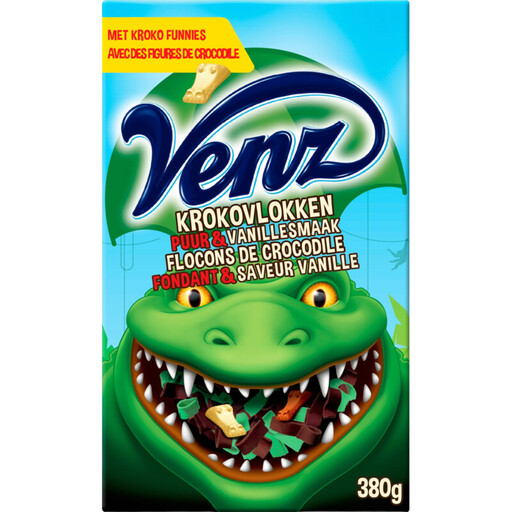 Image unavailable
A pack for anyone who wants to add flakes to bread or yoghurt and finds 200 g a suitable amount.
If you’re buying for someone with a food allergy, check the ingredients and allergens on the current packaging.
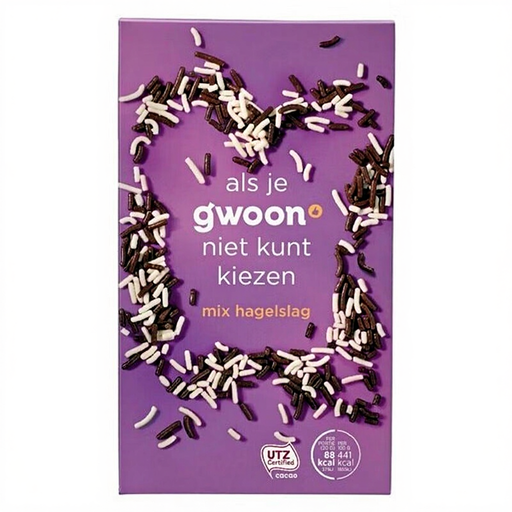 Image unavailable
For anyone who wants to put milk chocolate sprinkles on bread and can make good use of a 600 g pack.
These are sprinkles, not chocolate flakes. Consider whether this type and quantity suit the breakfasts you have planned.
 Image unavailable
A dark chocolate sprinkle option for anyone planning several meals with bread or something else to serve them with.
The word ‘dark’ doesn’t tell you whether a product is free from allergens; check the current packaging for details.
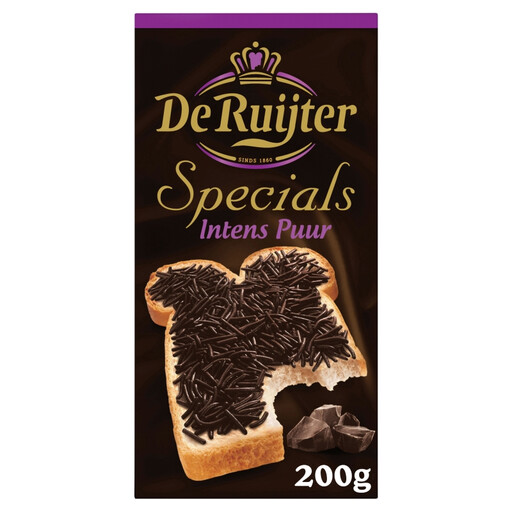 Image unavailable
A 200 g pack for anyone who wants to use this dark sprinkle variety for a limited number of occasions.
Don’t assume that the name Intense Dark means the product is free from milk ingredients; check the ingredients and allergens on the pack.
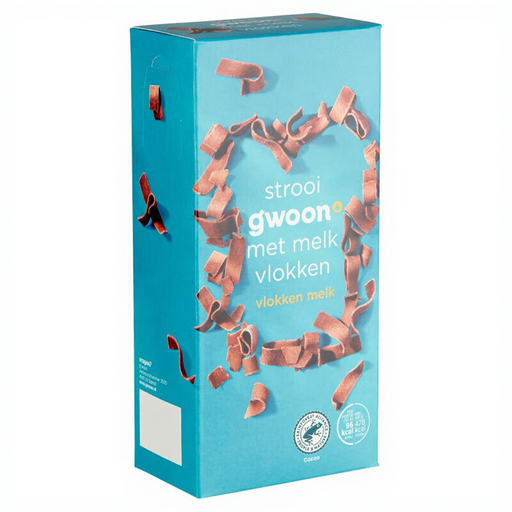 Image unavailable
For anyone who wants to add milk chocolate flakes to bread or yoghurt and get several portions from a 300 g pack.
Check the allergens on the current packaging and think about what you’d like to serve them with.
According to Schiphol, food is generally allowed; the liquids rule applies to liquid and spreadable foods, not dry flakes in the same way. However, follow the instructions at security: an item may still be refused for safety reasons.
No. PLUS says its dark chocolate flakes, labelled as vegan, may contain milk and lactose. Check the allergen information on the current pack every time you buy them.
Chocolate flakes are a bread topping, not a complete breakfast in themselves. Think ahead about whether you want to have them with bread or yoghurt, for example, and how you’ll arrange that around your trip.
The storage advice for the chocolate flakes described here is to keep them somewhere cool, dry and dark, and not to freeze them. Follow the storage instructions on the packaging of the product you buy.