
Collector of individual cards
Wants to capture images, postmarks and small details from individual postcards, and can safely lay the cards flat.


For individual postcards that can lie flat without being pressed, a flatbed scanner is a good choice for checking the image and small details. Choose an overhead capture if the cards are fragile, fixed in an album or you want to minimise handling when processing a large number of cards. Take a test shot to check the lighting, crop and visibility of the edges. If a card has writing on it, scan the reverse as well and keep both files together.
Wants to capture images, postmarks and small details from individual postcards, and can safely lay the cards flat.
Has brittle, curled or bound-in cards and wants to avoid putting unnecessary strain on the original during scanning. The Library of Congress stresses that you should also consider the potential impact on the original material when digitising it.
Wants to process many fronts and backs while keeping the connection between the image, handwriting and the corresponding card. Foto Digitalisering Nederland explains why it is important to preserve this context.
Suitable if: you mainly scan individual cards that can safely lie flat on the glass and want to check the edges and small details.
Bear in mind: you need to position and turn over each card yourself; never press fragile or bound-in cards flat.
Suitable if: you want to capture fragile cards or album pages from above, or process lots of cards from a fixed workstation.
Bear in mind: megapixels and capture size alone don’t tell you how much detail from a small card will be visible in the final crop.
| What to consider | What to look for when buying | Who is this important for? |
|---|---|---|
| Image detail and appearance | Take a test scan at the size at which you want to view the card. Check small lettering, colours and whether the entire edge remains visible; don’t compare camera resolution directly with flatbed dpi. | I want small images and inscriptions to remain legible after cropping. Around 33% of consumers put image detail first. |
| Handling originals with care | Assess the condition of each card and check that it can lie fully visible without being forced flat. If in doubt, start with a single overhead capture. | I want to capture brittle, curled or bound-in cards without pressing them flat. Around 27% of consumers prioritise careful handling. |
| Both sides and file order | Capture the front and back separately and give both files the same card reference. Check that automatic cropping doesn’t cut off edges or postmarks. | I want to be able to find the image, message and any postmark together with the same card later. Around 20% of consumers prioritise processing both sides and keeping their workflow organised. |
| Workspace and setup | Check how much space the scanner takes up in use and whether the software works with your computer and preferred file format. | I want a scanner that fits in my workspace and works with my computer and software. Around 20% of consumers prioritise workspace and setup. |
A large capture area doesn’t tell you how much detail the card will contain in the final crop. A poor crop can mean extra captures and more time spent sorting files.
Assess a test file at the size at which you’ll view the card later, and check the handwriting and edges too.
Text, addresses and postmarks may be on the reverse. Without that side, the card’s context could be lost.
Capture both sides and use file names with the same card reference, plus an indication of whether each file shows the front or back.
Pressing brittle or bound-in material can damage the original. The Library of Congress advises considering the potential impact on the source material when digitising it.
Assess the condition first. If the material can’t safely lie flat, choose a suitable overhead capture or seek expert help.
According to ACM ConsuWijzer, the statutory guarantee is separate from a shorter manufacturer’s warranty. What you can reasonably expect from a product is also taken into account.
Keep your proof of purchase and contact the seller if a product doesn’t meet reasonable expectations.
Canon positions the CanoScan LiDE 400 as an A4 flatbed scanner for individual cards that can safely lie flat.
The Perfection V39II is a compact A4 flatbed scanner for photos and documents in workspaces where space is limited.
CZUR positions the Shine 800 A3 Pro for overhead capture of loose, flat pages.
The IRIScan Desk 6 Pro is an option if you process larger documents or take lots of individual captures as well as scanning cards.
Plustek describes the OpticBook 3800L as an A4 flatbed scanner for books and other bound material.
This selection includes flatbed scanners, handheld scanners and a document camera. For each model, check whether the way cards are fed in or positioned is suitable for the condition of your originals.
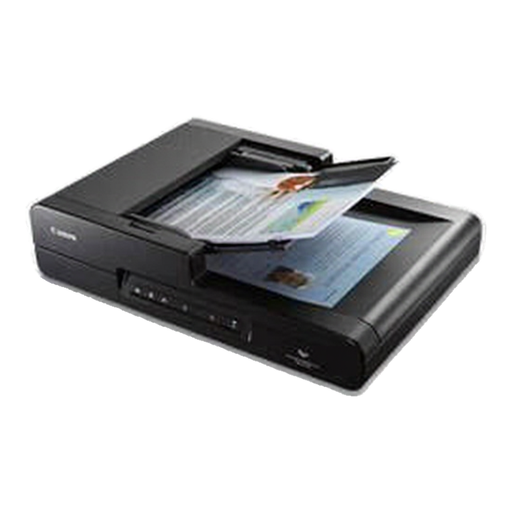 Image unavailable
The flatbed function is an option for individual cards that can safely lie flat; the product description also mentions an automatic document feeder for larger stacks.
The product details list 600 × 600 dpi, A4, double-sided scanning and an automatic 50-sheet feeder. The feeder hasn’t been confirmed as suitable for processing postcards.
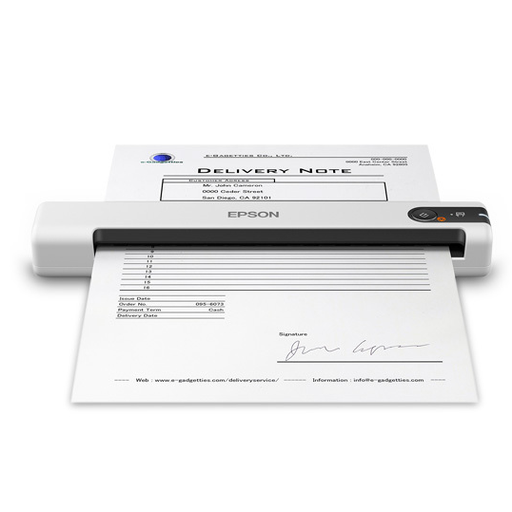 Image unavailable
The compact, portable design and USB connection are listed for use with a laptop or PC; check that feeding your cards through it is suitable for their condition.
The product details list A4 and 600 × 600 dpi. Don’t force damaged or thick documents into the feeder.
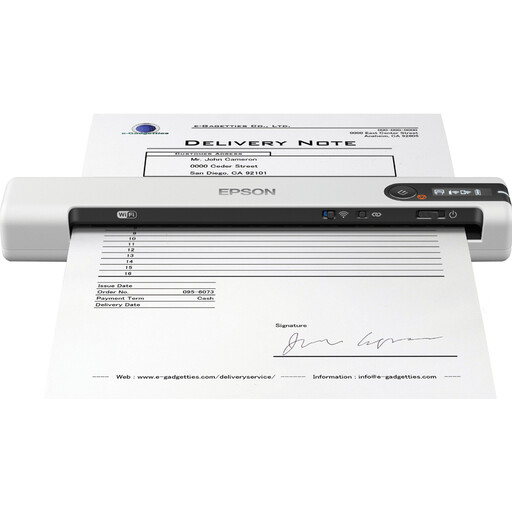 Image unavailable
The product description mentions Wi-Fi, battery power and automatic feeding, which may be useful if you’re looking for a compact mobile setup.
The stated resolution is 600 × 600 dpi. Don’t put damaged, folded or stapled documents into the feeder slot.
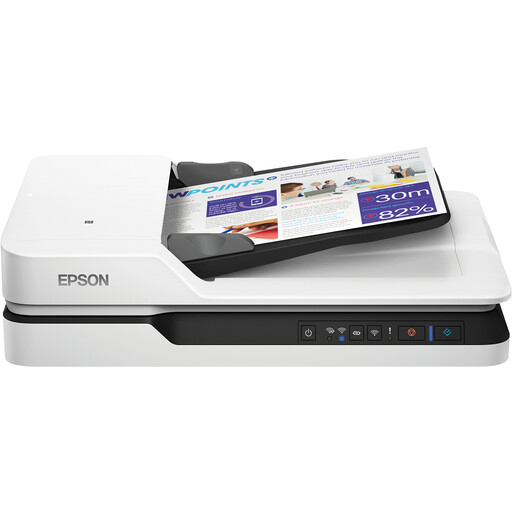 Image unavailable
The flatbed scanner is an option for individual cards that can safely be laid flat; the description also mentions bound documents and delicate items.
The product title lists 1200 × 1200 dpi and A4. Take a test scan to check that the edges and details you want are still visible.
 Image unavailable
This document camera is designed to capture flat documents from above; take a test shot to see how much detail from the card fits within the crop.
The product description lists an 8 MP sensor and capture sizes up to A3. It advises against scanning highly reflective materials, such as glossy photos.
No, not if the cards can lie flat without being forced; a flatbed scanner is an option in that case. An overhead capture may be better for fragile or bound-in items, but take a test shot to check the lighting, crop and edges.
Scan or photograph both sides separately and give the files the same card reference, indicating which shows the front and which the back. Keep the edges in shot and check the first card before using the same approach for the rest.
Check that the software is compatible with your exact scanner model and operating system, that the connection is suitable and that you have enough room to use the scanner. Also test a full capture and your preferred export file; a stated resolution is no substitute for a test.
According to ACM ConsuWijzer, consumers making a standard online purchase generally have up to 14 days from delivery to change their mind, although exceptions apply. In the Netherlands, the statutory guarantee depends on what you could reasonably expect from the product and is separate from a shorter manufacturer’s warranty.
Making a copy at home for personal use doesn’t automatically give you permission to publish a copyright-protected image. The Dutch government also makes this distinction. Check the rights for the specific card before publishing it: the card’s age or a postmark alone doesn’t prove that you have the right to publish it.