
Looking after fragile cards
You want to digitise old cards that may be bound or difficult to lay flat, without putting unnecessary pressure on the originals.


For individual cards that can safely lie flat, a compact flatbed scanner is a practical option. Choose an overhead book scanner instead if the cards are bound or must not be pressed beneath a lid. If you want to show cards during lessons, consider a document camera, but check for glare, cropping and small text with a test scan: the stated speed or resolution won’t necessarily tell you how your card will look.
You want to digitise old cards that may be bound or difficult to lay flat, without putting unnecessary pressure on the originals.
You want to keep usable images, small text and both sides of individual cards, and judge the results with a test scan rather than relying on a resolution figure alone.
You want to place cards under a camera and show them to pupils during a lesson, while keeping an eye on cropping and reflections.
Start by considering the condition of the cards and how they’re stored. Then decide whether your main aim is to keep scans, show cards live or save space.
| What to consider | What should you look for? | Which consumers? |
|---|---|---|
| Handling the original with care | Check whether the card is loose or bound, and try your chosen setup with a representative example that’s safe to handle. | If a card is fragile or still in an album, I want to capture it without putting it under unnecessary pressure. Consumers who prioritise careful handling make up around 33%. |
| Images and small text | Make a test scan of the front and back, then check the details on screen and in the file format you plan to use. | If small text or the reverse is important, I want to be able to assess both sides properly. Around 27% of consumers put image quality and legibility first. |
| Lesson flow and live viewing | On the classroom computer, test placing, showing, scanning, turning over and saving a card. | During a lesson, I want to show cards without scanning disrupting the flow unnecessarily. Consumers who prioritise live viewing and a practical classroom workflow make up around 20%. |
| Space and cost | Measure the space available when the scanner is set up for use, and allow room for the card and computer. | With limited workspace, I want a scanner that fits in the classroom and meets our needs. Around 20% of consumers give space and cost top priority. |
A resolution figure or image feature won’t tell you how glare, small text and the details of your particular card will turn out.
Compare test scans of the same card on screen and in the file format you’ll actually use.
Curve correction and a special book edge are designed for curved or bound materials. A flatbed scanner is another option for loose originals.
Separate loose cards from albums beforehand, and choose a setup that suits the material you actually want to scan.
Copyright-protected images and identifiable personal data each require separate consideration. The Dutch Government distinguishes between private use and distributing or making material available to the public; the Dutch Data Protection Authority explains the rules around personal data.
Before sharing, decide who will have access and check the rights and any personal data on each card.
The ET series offers an overhead option for books and other originals you don’t want to press beneath a flatbed lid.
According to IRIS, the IRIScan Desk 6 Pro combines a document camera with scanning and video features, including for classroom use.
The Perfection V39II is a compact flatbed option for individual photos and documents.
The CanoScan LiDE 400 is an A4 flatbed scanner with USB power and the option to use it vertically.
The OpticBook 3800L is a book-edge flatbed option for cards in a bound album.
This selection includes flatbed scanners, a document camera and sheet-feed scanners. If you’re scanning fragile or glossy cards, check that the method you choose is suitable for the original.
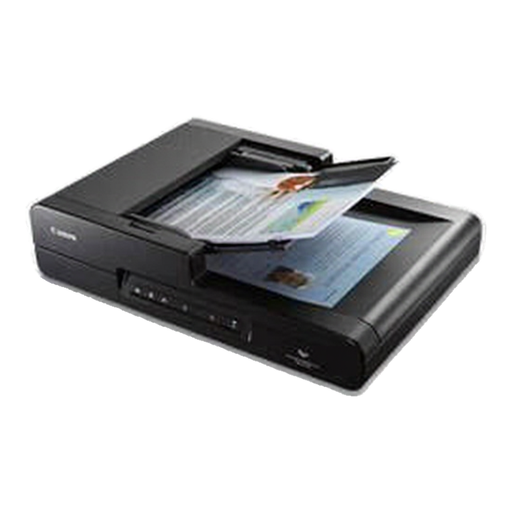 No image available
The combination of a flatbed and automatic document feeder may suit you if you also need to process documents as well as individual cards. Keep fragile cards on the glass.
The title lists 600 x 600 DPI and A4.
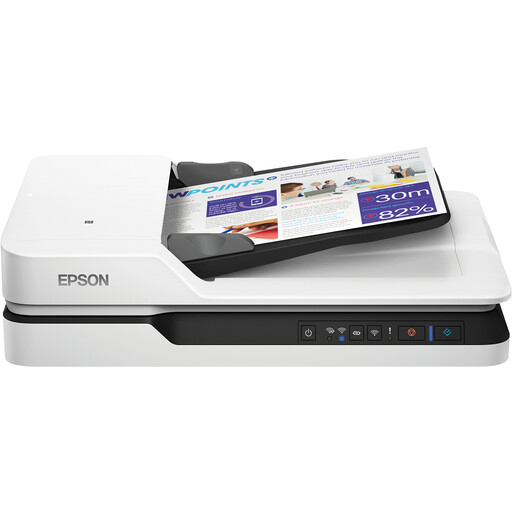 No image available
A flatbed setup may be a good fit if you don’t want to feed originals through a document feeder. Check that the scanner and its software work with the classroom computer.
The title lists 1200 x 1200 DPI and A4.
 No image available
A document camera may be useful if you want to show or capture flat documents in the classroom. The product description advises against scanning highly glossy materials, such as glossy photos.
The title lists a maximum flat document size of A3, OCR, and compatibility with Windows and macOS.
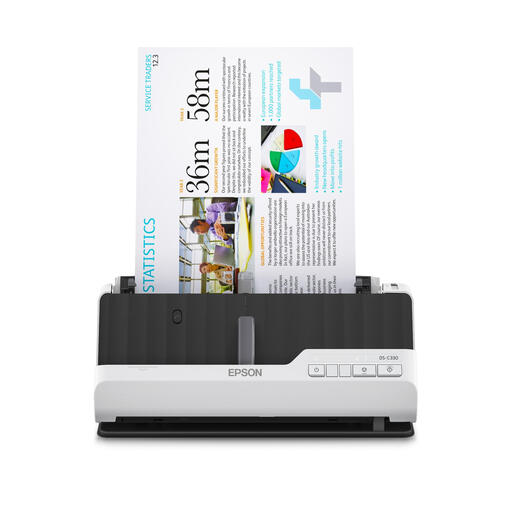 No image available
This is a scanner with a document feeder. As originals pass through the feeder, first check whether this method is suitable for the condition of your cards.
The title lists 600 x 600 DPI and A4.
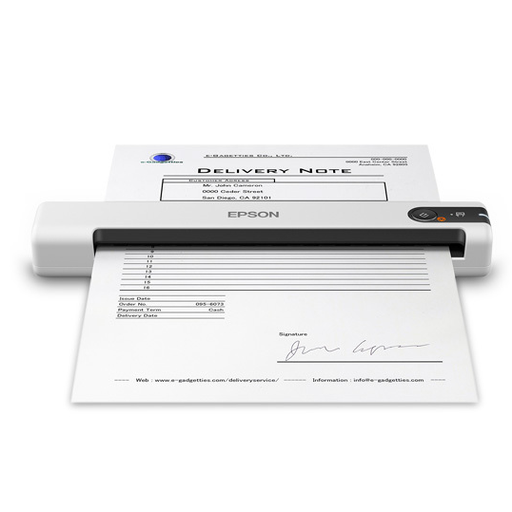 No image available
This is a handheld sheet-feed scanner, so the original passes through a feed slot. The product description warns against forcing thick or damaged documents into the slot.
The title lists 600 x 600 DPI and A4.
If the back contains text or other information relevant to the lesson or collection, capture both sides and keep the files clearly linked. Before sharing or publishing, check separately for any identifiable personal data.
First, check whether the card can safely lie flat. For bound material, an overhead scanner provides a way to scan without putting pressure on the book spine; for loose cards, you could try a flatbed scan. Neither type of manufacturer specification replaces an assessment of the individual original.
Check that the software for the exact model works with the school computer’s operating system. CZUR publishes separate downloads and system requirements for the ET24 Pro, so don’t rely solely on a general listing in a retailer’s advert.
Not automatically. The Dutch Government distinguishes between making a copy for private use and distributing or making copyright-protected images available to the public. Schools may have agreements covering educational use, but these don’t automatically permit public publication. If a card contains information about an identifiable living person, also assess the applicable privacy rules and the legal basis for publishing it.