
Keeper of bound minutes
You want to keep the binding intact and scan the pages without taking the volume apart. Compare an overhead scanner with a book-edge flatbed scanner; Plustek specifies a 6 mm book edge for the OpticBook 3800L.


For bound minutes that you want to keep intact, an overhead book scanner is a good fit. A book-edge flatbed scanner is an alternative if the binding can open far enough. If your minutes mainly consist of loose, double-sided sheets, a scanner with an automatic document feeder is a more practical choice. Also check that the OCR software and computer support suit your needs, and put appropriate security measures in place for scans containing personal data.
You want to keep the binding intact and scan the pages without taking the volume apart. Compare an overhead scanner with a book-edge flatbed scanner; Plustek specifies a 6 mm book edge for the OpticBook 3800L.
You want to find names, decisions or meeting dates in digital minutes, so OCR and searchable PDFs matter. IRIS, Plustek and Epson describe OCR or searchable output for specific models.
You mainly have loose sheets, which may be double-sided, and don’t want to place each one on a flatbed individually. Epson lists an automatic document feeder and duplex scanning for the WorkForce ES-590W.
A good fit if: you want to scan bound minutes without pressing the binding against a glass surface.
Bear in mind: you turn the pages yourself and should check the readability near the spine with your own originals.
A good fit if: the binding can open far enough and the book-friendly scanning area suits your page size.
Bear in mind: Plustek specifies an A4 scanning area and a 6 mm book edge for the OpticBook 3800L; the binding still needs to sit safely on it.
A good fit if: most of your minutes consist of loose sheets that are suitable for feeding.
Bear in mind: an intact book cannot go through the feeder as a book; Epson specifies a 100-sheet feeder and duplex scanning for the ES-590W.
| What to consider | What should you check? | Who is this important for? |
|---|---|---|
| Keeping bound originals intact | Check how far the binding can safely open, the dimensions of an open page and how readable the text is near the spine. | If I want to keep the volume intact, I compare overhead scanning with a book-edge scanning area; around 40% of consumers put preserving the binding first. |
| Making text searchable | Check whether the exact model offers searchable PDFs or OCR software, and whether it works with your computer. Test it with a representative page. | If I want to find decisions and names later, I look at OCR and the quality of my own scans; around 30% of consumers give searchable text top priority. |
| Handling loose, double-sided sheets | Check that the originals are loose and suitable for feeding, and that duplex scanning is supported. | If I mainly have loose, double-sided minutes, I look for automatic feeding; around 20% of consumers put handling loose sheets first. |
| Using it in a home office | Measure the available workspace and check that the software supports your computer. | If I only scan occasionally, space and ease of use matter more to me than a quoted scanning speed; around 10% of consumers put that trade-off first. |
Automatic document feeders are designed for loose documents; a bound book needs a different scanning method.
Sort your originals into bound books and loose sheets before buying, then choose the option that suits most of them.
An advertised OCR feature doesn’t prove that the software can correctly recognise handwriting or your own meeting minutes.
Make a test scan of a challenging, representative page and check both the image and the recognised text.
Meeting minutes may contain personal data or copyright-protected material. The Dutch Data Protection Authority highlights the need for an appropriate legal basis, suitable security and storage for no longer than necessary. The Dutch Government distinguishes between a private copy for personal use and distributing or sharing protected material digitally.
Before storing or sharing the scans, check what personal data and protected attachments the minutes contain, who needs access and which usage rights apply.
The IRIScan Desk range includes overhead scanners for documents and books. For the Desk 6 Pro, IRIS lists features including A3 scanning and searchable PDFs.
The ET range offers an overhead scanning option for bound materials; a Dutch retailer lists models including the ET16 Plus.
According to Plustek, the OpticBook 3800L is a book-edge flatbed scanner with an A4 scanning area.
The WorkForce ES-590W is a document-feeder option for mostly loose A4 minutes, not an intact book.
These products are suited to scanning association meeting minutes using a flatbed, automatic document feeder or a combination of the two. Check each model to see whether its features suit bound books, loose sheets or both.
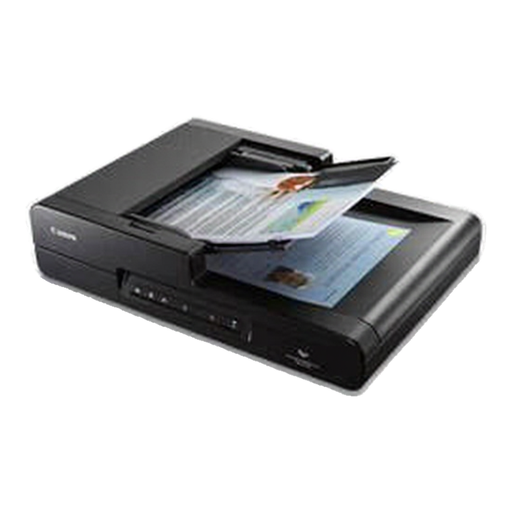 No image available
The combination of a flatbed and automatic feeder is useful if you want to scan both bound originals and loose sheets.
The product description lists a 50-sheet feeder, duplex scanning at 20 pages per minute and scanning to editable PDF. Check that the flatbed suits the size of your minutes and how far the binding opens.
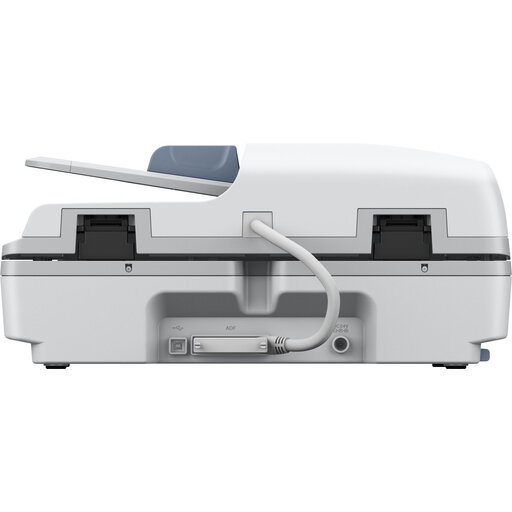 No image available
The described flatbed and feeder functions are designed for different types of originals; check what proportion of your minutes is bound.
The product description lists a 100-sheet automatic document feeder, duplex scanning and output to PDF, JPG and TIFF.
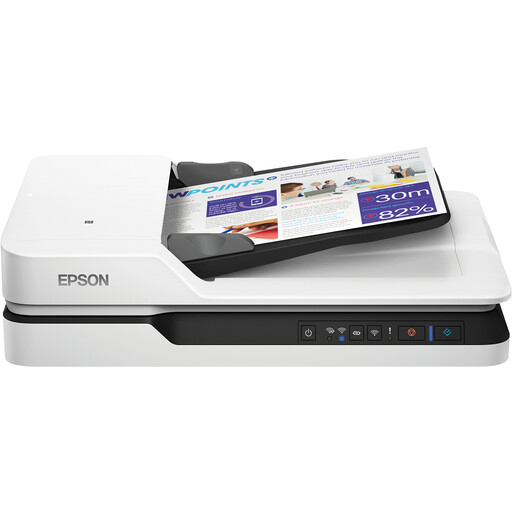 No image available
The flatbed and automatic duplex feeder may be useful if you have both bound and loose originals; check that it’s suitable for your binding.
The product description lists 1200 × 1200 dpi, wireless and USB connectivity, and a quoted scanning speed of 25 pages per minute.
 No image available
This document scanner may suit flat meeting-minutes pages when A3 size and OCR are useful; it is not a flatbed scanner for bound books.
The product description lists an 8MP sensor, OCR, support for flat documents up to A3 size, and compatibility with Windows and macOS. According to the description, glossy materials such as glossy photographs and magazines are not suitable for scanning.
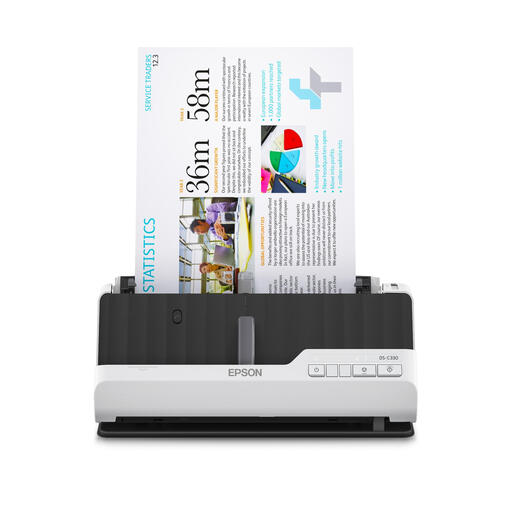 No image available
This feeder scanner is mainly suited to loose minutes; the described support for booklets is limited to a maximum thickness of 5 mm.
The product description lists a U-shaped paper path, paper protection and 600 × 600 dpi scans. Check that your originals are within the stated thickness limit.
Only if the pages you need to scan are loose and suitable for feeding. For an intact bound book, compare an overhead scanner with a book-edge flatbed scanner.
Check whether the exact model supports searchable PDFs or OCR, whether the software works with your operating system and how well it recognises a representative page. IRIS, Plustek and Epson list OCR or searchable output for specific models; test old print, handwriting and notes yourself too.
If the minutes contain personal data, the association must assess whether there is an appropriate legal basis under the GDPR, decide on suitable security measures and avoid keeping the data for longer than necessary. The Dutch Data Protection Authority does not specify a general fixed retention period for this; decide who should have access and how long to keep the specific minutes.
Don’t assume the private-copy exception applies: according to the Dutch Government, it is intended for personal use, not distribution. Permission is required to copy and share copyright-protected publications digitally; the Government also describes the reprographic rights scheme for businesses and institutions. Whether that scheme applies to specific association minutes or attachments depends on the circumstances.