
Someone responsible for bound minutes
You’re digitising a book of minutes with pages attached to the binding. How easily the book opens matters: CZUR positions its ET series for bound books, with overhead capture.


If you regularly scan bound minutes, an overhead book scanner is the most suitable choice, as you won’t need to press the book flat against a glass platen. For stacks of loose sheets, a scanner with an automatic document feeder is a better fit. If you only scan the odd loose page, a flatbed scanner may also be suitable. Check the scan size, the space you’ll need, compatibility with your computer and whether the software can create searchable PDFs.
You’re digitising a book of minutes with pages attached to the binding. How easily the book opens matters: CZUR positions its ET series for bound books, with overhead capture.
You mainly process stacks of individual sheets and want to check whether automatic, possibly double-sided, feeding is suitable for your documents. Brother describes the ADS-1300 as a scanner with an automatic document feeder for loose sheets.
You scan at a shared desk and need space not just for the scanner, but also for an open book or a stack of paper.
Choose this if: you regularly scan a bound book of minutes and don’t want to press the spine against glass.
Bear in mind: you’ll need space for the open book, and text near the spine may be harder to read. Check this with a test scan.
Choose this if: you want to scan pages from above and need searchable PDF output.
Bear in mind: check software compatibility and whether text near the book’s spine is legible. According to CZUR, the CZUR Shine 800 A3 Pro is designed for flat, loose sheets, not bound books.
Choose this if: the club mainly processes stacks of suitable loose sheets.
Bear in mind: the feeder is for loose sheets; don’t use it for pages that are still attached to a book of minutes.
Choose this if: you occasionally scan a loose page or one that can be handled separately.
Bear in mind: you place pages on the glass one at a time; don’t force a thick or fragile book flat.
| What to consider | What should you check? | Who is this important for? |
|---|---|---|
| Bound book | Check the scan size, the space needed for an open book and the legibility of text near the spine using a test scan. | If I want to preserve a book of minutes, I don’t want to flatten its spine, and the text near the fold needs to remain legible. That’s why around 31% of consumers put preserving the bound original first. |
| Loose stacks | Check that the sheets are suitable for the feeder and decide whether you want to scan single-sided or double-sided. | If I need to process stacks of loose minutes, I want to know whether the feeder suits my paper and workflow. Around 25% of consumers say processing loose sheets is their top priority. |
| Desk space | Measure the space for the scanner and for the open book or sheets; also check what connection you’ll need. | At a shared desk, I need to leave enough room to position the original and scan it. Around 25% of consumers name available workspace as their main consideration. |
| Searchable PDF | Check that the software supports searchable PDF output, works with your computer and recognises text in a test scan. | If I want to search the minutes by keyword later, I need more than a PDF image. Around 19% of consumers put searchability first. |
CZUR positions the Shine 800 A3 Pro for flat, loose sheets and the ET series for bound books. So the scanning method used by one model doesn’t automatically tell you whether another model is suitable.
First, work out whether the minutes are bound or made up of loose pages, then check the exact product range.
A PDF containing only an image isn’t the same as one with recognised text. Text recognition can also be unreliable when minutes are difficult to read or handwritten.
Check the software’s output options and test a few representative pages before scanning a larger archive.
The Brother ADS-1300 uses an automatic feeder for loose sheets, while an overhead book scanner captures pages from above. Removing pages from a book you want to preserve so you can feed them through a scanner could damage the original.
Keep the book of minutes intact and choose your scanning method to suit the original.
According to the Dutch Data Protection Authority, recording or sharing personal data counts as processing personal data. Minutes may contain this kind of information, depending on their content.
Before processing any data, agree within the club which GDPR lawful basis applies, who needs access, how the files will be secured and how long you’ll keep them.
CZUR positions its ET series for bound books, with overhead capture and curved-page correction. According to the manufacturer, the Shine 800 A3 Pro is designed for flat, loose sheets.
According to IRIS, the IRIScan Desk 6 Pro combines overhead scanning up to A3 with searchable PDF output.
Brother describes the ADS-1300 as a compact document scanner for suitable loose sheets, with automatic feeding and double-sided scanning.
Canon positions the CanoScan LiDE 300 as a USB-powered A4 flatbed scanner for pages placed on the glass one at a time.
This selection of Joybuy products includes flatbed scanners and an overhead model for flat, loose sheets. If you have a bound book of minutes, check that the specific scanning method is suitable.
 No image available
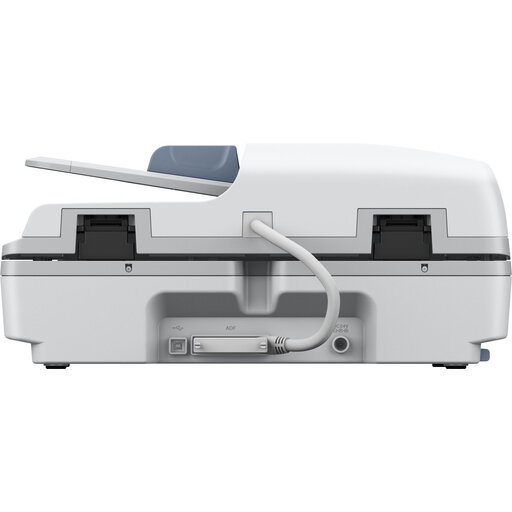
An option to compare if you’re digitising loose minutes. Check that the feeder and PDF output suit your documents and workflow.
 No image available
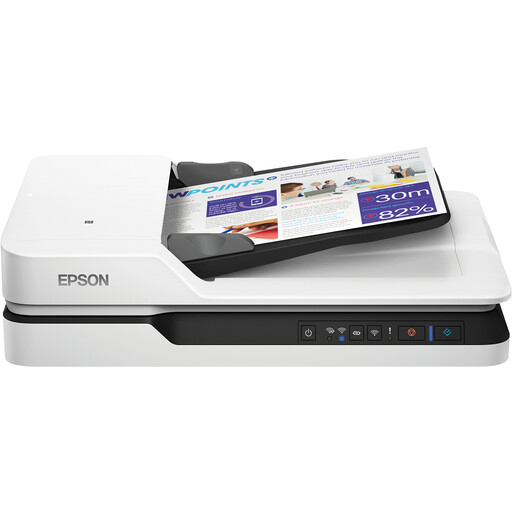
This A4 flatbed scanner is an option to compare if you also want to capture pages from a book individually. Check that the scanning method suits your bound minutes.
 No image available
According to CZUR, this model is designed for flat, loose sheets up to A3, not for bound books of minutes. Choose it only if this scanning method suits the club’s paper.
Use an overhead scanner within its stated scan size and check the test scan around the book’s spine. Don’t press a book that won’t lie open easily flat for a flatbed scan; CZUR describes the ET series’ overhead method as scanning without putting pressure on the spine.
Check that the software supports searchable PDF output and works with your operating system. Then review a few scans for missing or incorrectly recognised text. For a feeder scanner, you should also check which paper types it can handle and follow the maintenance instructions.
If the minutes contain personal data, recording or sharing them may count as processing personal data. The Dutch Data Protection Authority says an organisation must identify an applicable GDPR lawful basis before processing data and put appropriate security measures in place. You should also consider who needs access and how long the data should be kept.
If a product you bought from a business as a consumer is faulty, the seller is your point of contact for a solution, according to the Government of the Netherlands. Distance purchases usually come with a 14-day cooling-off period, subject to exceptions. This period is separate from your rights if a product is faulty.