What should you look for when buying?
Decide what matters most to you: preserving your archive, protecting private letters, accessing files on your devices or taking the drive with you regularly.
| What to consider |
What to look for when buying |
Who is this most important for? |
| Preserving your archive |
Plan a second copy on a different storage medium and in a different physical location; check that your files still open. |
I want to avoid losing my only digital scans if the drive fails or goes missing, so I’m also considering a separate copy. Around 36% of consumers put preserving their archive first. |
| Confidentiality |
Check whether you can copy files locally without an account and whether the specific drive’s security features suit your devices. |
If I want to keep private letters locally, I also want to consider how to limit unwanted access and use a password in practice. Around 29% of consumers give confidentiality their highest priority. |
| Connection and file system |
Compare your computer’s ports with the cables included and check the file system before transferring files. |
I want to be able to open my scans on my own computers without unexpected cable or file system issues. Around 21% of consumers prioritise access on their own devices. |
| Portability and transferring files |
Think about how often you’ll actually move the drive, and check its size, cable and your computer’s USB support. |
If I regularly move scans between devices, size and connection matter more to me than a quoted maximum speed alone. Around 14% of consumers prioritise portability. |
Joybuy products for local storage
This Joybuy selection includes external drives for storing scanned letters locally, without the cloud. Options vary in capacity and connection type, among other things; remember to keep a separate copy too. The Library of Congress recommends keeping copies on different storage media and in separate physical locations.
 No image available
My Passport USB-C 2TB - Black
An option for storing scans locally and transferring files.
The product description lists 2 TB, USB-C, exFAT and password protection with 256-bit AES hardware encryption.
View at Joybuy
 No image available
My Passport USB-C 5TB - Black
An option for storing scans locally if the amount of storage you need is one of the factors in choosing a model.
The product description lists 5 TB, USB-C, exFAT and password protection with 256-bit AES hardware encryption.
View at Joybuy
 No image available
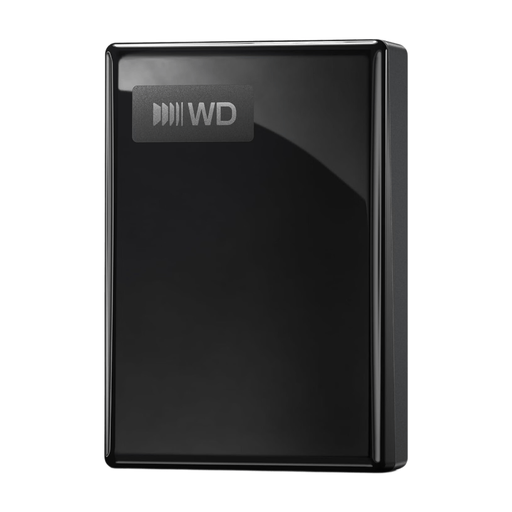
My Passport USB-C 1TB - Black
An option for storing and transferring files locally; choose the capacity to suit your scans.
The product description lists 1 TB, USB-C, exFAT and password protection with 256-bit AES hardware encryption.
View at Joybuy
 No image available
Western Digital My Passport USB-C 4TB - Black
An option for keeping a local archive; check that the connection suits the computer you want to use for your scans.
The product description lists 4 TB, USB-C, exFAT and password protection with 256-bit AES hardware encryption, and states that it’s compatible with Windows and Mac.
View at Joybuy
 No image available
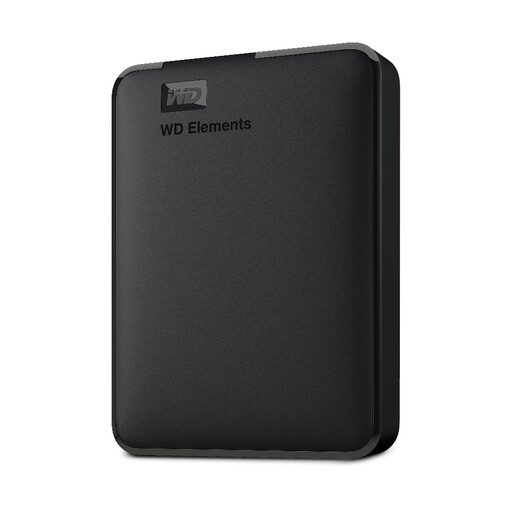
WD Elements Portable 2TB, USB 3.0 - Black
A portable drive for keeping and copying important files locally.
The product information lists 2 TB, USB 3.0 and formatting for PC and Mac; the description mentions USB 3.2 Gen 1 and plug-and-play storage.
View at Joybuy
Frequently asked questions
Is one external drive enough for my scanned letters?
Not if it contains your only digital copy. The Library of Congress recommends keeping copies on at least two different storage media and in separate physical locations. It also recommends transferring digital files to a current medium after around five years. This is archival advice, not a statutory time limit in the Netherlands.
Do I need to format the drive first?
That depends on the drive and the computer you’re using it with. Toshiba says the Canvio Basics model reviewed is formatted as NTFS for Windows and needs reformatting for macOS; Crucial says the X9 comes formatted as exFAT. Reformatting can erase data on the drive, so check the file system before adding your scans.
Who can help if my new drive develops a fault?
For a consumer purchase in the Netherlands, the retailer is your point of contact for statutory consumer rights. According to the Dutch government, there is no fixed statutory warranty period; a manufacturer’s warranty does not replace your statutory rights. A product warranty is no substitute for keeping a separate copy of your files.
Does keeping my own scanned letters fall under the GDPR?
Under Article 2(2)(c), the GDPR does not apply to processing by a natural person carried out solely as part of a personal or household activity. This exception does not automatically apply, for example, to a business collection or an archive you manage on behalf of an organisation; assess that use separately. This does not determine which type of drive you should buy.


