
Families sharing breakfast
If you’re feeding several people, a pack with individually wrapped portions can be handy: open what you need and keep the rest unopened. Check how many inner packs there are, not just the total weight.


If you’re serving several people and don’t want to open the whole pack at once, look for mini crackers in individual portions. If you’re after thin melba toast, choose by product shape and topping rather than pack weight alone. For toppings that slide off a flat toast, a toast with a raised edge could be a better fit. For every product, check the ingredients, nutritional information and allergen details too.
If you’re feeding several people, a pack with individually wrapped portions can be handy: open what you need and keep the rest unopened. Check how many inner packs there are, not just the total weight.
The base makes a difference with cheese, egg, hummus or vegetables. Choose between thin melba toast, mini crackers and toasts with a raised edge.
If you’re keeping an eye on salt, fibre or specific ingredients, the nutritional information and allergen details for the particular product are more useful than the words ‘plain’ or the pack size.
First, decide which shape will work with your toppings and how you want to divide up the pack. Jumbo’s product examples include mini crackers, melba toast and snack cups, so a bigger pack doesn’t necessarily mean more of the same type of toast.
A good fit for: breakfasts where you want to open separate portions for several people.
Bear in mind: mini crackers are a different shape from thin melba toast.
A good fit for: savoury toppings on a thin, neutral toast base.
Bear in mind: the Van der Meulen pack shown contains 120 g, so it’s not the same as a 250 g multipack.
A good fit for: soft or loose toppings that you’d rather spoon into a toast.
Bear in mind: the Haust Snack Cups shown contain 130 g; check separately whether that’s enough for the number of people you’re serving.
| What to consider | What to check before buying | Who is this most important for? |
|---|---|---|
| Portions and storage | Check the total weight, number of inner portions and storage instructions after opening. | When we’re having breakfast with several people, I want to open only what we’ll use and keep the rest crisp. For around 36% of consumers, portioning is the top priority. |
| Shape and nutritional information | Choose a shape that works with your toppings and compare salt, fibre and ingredients per 100 g on the labels. | I want a base for savoury toppings that also suits my dietary choices, so I look beyond the word ‘plain’. This combination is the main consideration for around 46% of consumers. |
| Ingredients and allergens | Read the ingredients, allergen details and any ‘may contain’ statement on the current packaging. | If someone at the table needs to avoid certain ingredients, I need to be able to check what’s in each product and what the label says about possible cross-contamination. This check matters most to around 18% of consumers. |
A 250 g pack may contain mini crackers rather than thin melba toast. The weight doesn’t tell you how large or what shape the individual crackers are.
Check the product name, image and portioning before choosing a pack for the toppings you want to serve.
Plain describes the variety; it doesn’t automatically tell you about the nutritional value or ingredients. For example, according to Jumbo’s product information, Van der Meulen Melba Toast Natural contains wheat, barley and soya.
Compare salt and fibre per 100 g, and check the current allergen details for each product individually.
The Voedingscentrum explains that bakers aren’t required to use baker’s salt. So you can’t tell whether it’s been used from the product name ‘toast’ alone.
Check the ingredients on the pack or ask the manufacturer if this is important to your choice.
Jumbo’s toast range includes both classic toast and mini crackers, giving you a choice of shapes and portion sizes to compare.
Melba Toast Naturel is a thin toast base for anyone who prefers this shape to mini crackers.
Snack Cups Naturel Ovaal have a raised edge, making them a different way to serve toppings than flat toast.
Bolletje offers breakfast crackers, other crackers, crispbread and rusks, among other options, if you’re not specifically looking for melba toast.
These Joybuy products are crackers to use as a base for toppings, not a selection of classic melba toast or toasts with a raised edge. The two Minicracker varieties also differ in flavour. Choose the one that works with your toppings, and check the label if salt or allergens are important to your choice.
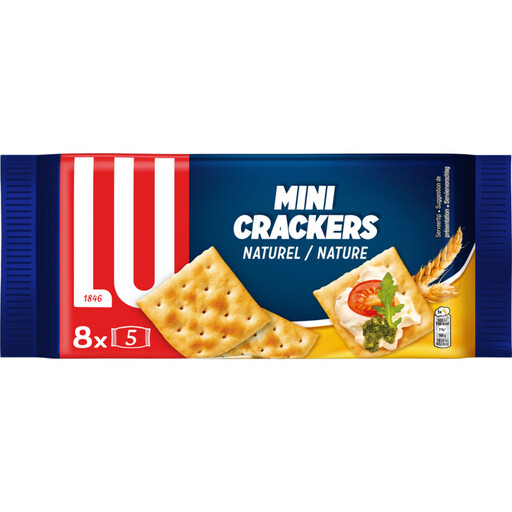 Image unavailable
A plain mini cracker to consider if you want your toppings to take centre stage, but aren’t looking for classic melba toast.
Check the current packaging for ingredients, allergens and portion sizes if you plan to use the pack over several breakfasts.
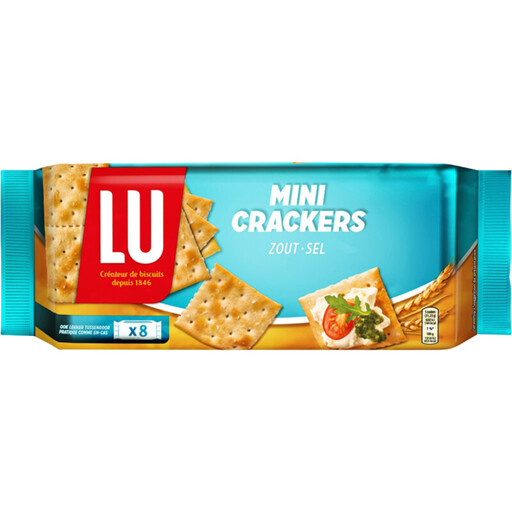 Image unavailable
A salted mini cracker for serving toppings on a cracker, with individually wrapped packs for added convenience.
According to the product information on Joybuy, the pack contains eight sachets, each with five duo crackers, and has 2,8 g of salt per 100 g. Compare the salt content with other varieties if that’s important to your choice.
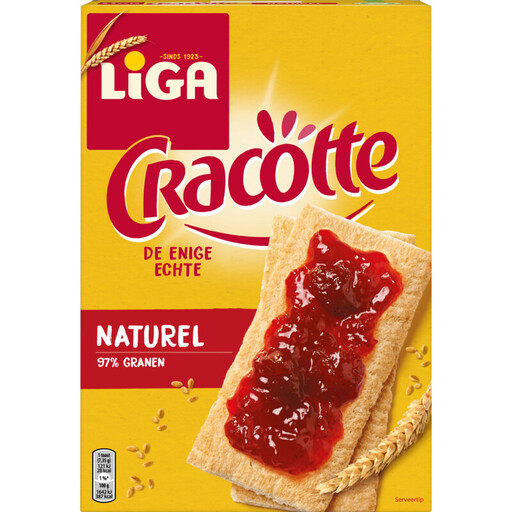 Image unavailable
A plain cracker for anyone looking for a larger pack, but not specifically mini crackers or melba toast.
Check how the pack closes after opening if you want to spread the crackers over several breakfasts, and read the current ingredients and allergen details.
Follow the storage instructions on the pack, and if it contains individually wrapped portions, open only what you need. Store the rest as directed on the label; according to the product description, the Haust Snack Cups shown on Jumbo’s website have a resealable sticker.
Don’t choose regular toast based on the product name alone: check whether the specific product is suitable for the dietary requirement. Van der Meulen Melba Toast Naturel, listed on Jumbo’s website, contains wheat and barley. Also read the current allergen and potential cross-contamination information on the pack.
No. According to the Voedingscentrum, bakers aren’t required to use baker’s salt. So check the ingredients of the toast you want to buy, or ask the manufacturer whether baker’s salt has been used.