
Vandaag of morgen in huis

Kwaliteit gegarandeerd

Welkomstaanbiedingen ontgrendelen: GRATIS bezorging | Tot 80% korting | Gratis 30 dagen JoyPlus-proefperiode
Download de app
The selection of savory snacks is enormous. From classic chips to exotic Asian snacks, the choice can be overwhelming. Manufacturers use all sorts of claims to grab your attention, but these don't always help you make the right choice. Before you toss a random bag into your basket, it's good to know what to look for.
It's easy to fall into common traps. For example:
Making a conscious choice is simpler than it seems. It's about seeing through the marketing and looking at the facts on the packaging.
To avoid a bad purchase, there are a few concrete specifications you can check. These provide a more objective picture than the slogans on the front of the package.
The way a snack is prepared has a major impact on its texture and fat content.
The ingredients list and the nutrition table don't lie. Pay attention to the following points:
The base of the snack determines the texture and taste experience. Besides the well-known potato chips, there are many alternatives. Rice crackers and other Asian snacks are often baked or puffed and have a lighter, airier texture. They offer a platform for unique flavors like umami, seaweed, or spicy seasonings that you won't easily find in traditional party snacks.
To help you get started, we've highlighted a few products that suit different preferences and situations.
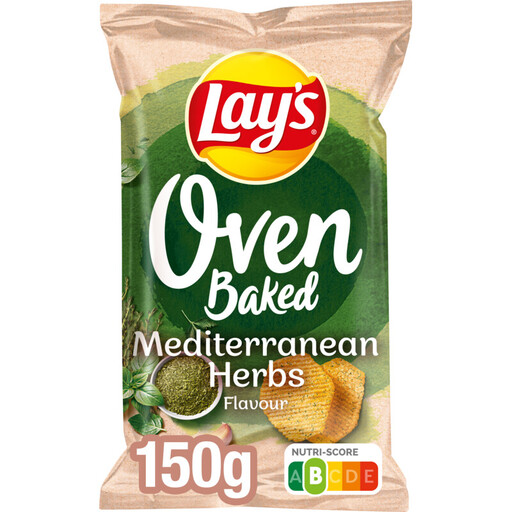
Why This Fits Their Persona: Ideal for those looking for a lower-fat snack without compromising on a full, herbaceous flavor. Perfect for a guilt-free treat.
The "50% less fat" claim isn't an empty promise here. It's a direct result of the oven-baked preparation method, which is objectively verifiable in the nutrition table (13g fat per 100g).
Significantly lower fat content than fried chips. Light, crispy texture with a Nutri-Score B.
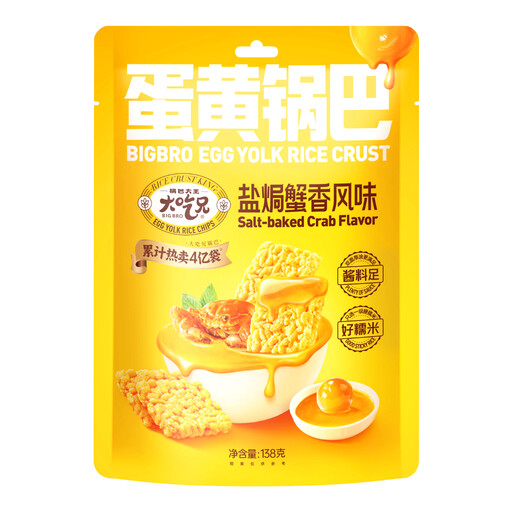
Why This Fits Their Persona: For those tired of paprika and plain flavors who are seeking a truly unique taste experience. These Asian snacks offer a complex, savory flavor you won't easily find elsewhere.
This isn't a standard potato chip with an artificial 'exotic' flavor. It's a completely different product—rice crackers made from glutinous rice—with an authentic flavor combination of crab and salted egg yolk.
Unique umami flavor and a very crispy, brittle texture that's different from potato chips.
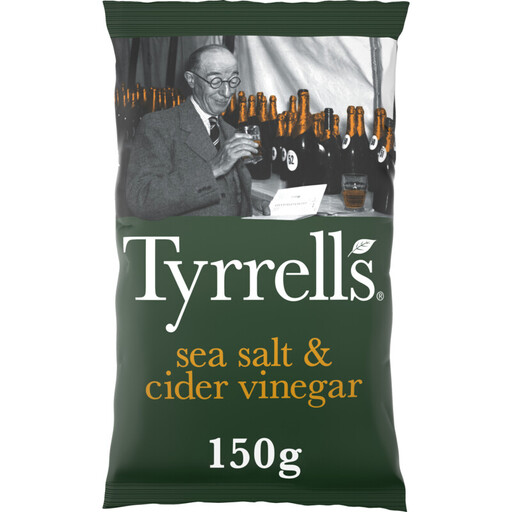
Why This Fits Their Persona: Perfect for the enthusiast of a robust, high-quality chip that shines on any appetizer board. A classic that is appreciated by many.
The term hand-cooked isn't just an empty marketing slogan here. It refers to the small-batch cooking process, which results in a thicker, extra-crispy chip with the skin still on. This creates a distinct difference in texture.
Sturdy, audible crunch and an intense, classic flavor of sea salt and cider vinegar. Made without artificial flavors or colors.
We've compiled a complete, up-to-date overview of products that meet these selection criteria. Find the snack that's right for you.
The main difference is the preparation method. Regular chips are fried in hot oil, which gives them their crispy texture and rich flavor. Oven-baked chips, as the name suggests, are baked in an oven with hot air. This requires significantly less oil. The result is a snack that typically contains 50% to 60% less fat, with a lighter and often more brittle texture.
To keep snacks crispy after opening, it's essential to protect them from air and moisture. The simplest method is to roll the bag up as tightly as possible and seal it with a bag clip. Store the bag in a cool, dry, and dark place, like a kitchen cabinet. Avoid the refrigerator, as condensation can make the chips soft.
Not necessarily. Rice crackers are often lower in fat because they are usually baked or puffed instead of fried. However, they can be higher in refined carbohydrates and sometimes also in sugar or salt, depending on the flavor and seasonings. It's always advisable to compare the nutritional tables of both products to see which option best fits your dietary goals.
