
Vandaag of morgen in huis

Kwaliteit gegarandeerd

Welkomstaanbiedingen ontgrendelen: GRATIS bezorging | Tot 80% korting | Gratis 30 dagen JoyPlus-proefperiode
Download de app
Buying sausage may seem straightforward, but products can differ considerably in meat type, flavour, preparation and storage method. Are you looking for an Asian sausage to serve with rice or noodles, a smoked sausage for mashed potatoes, or a sausage for the barbecue? In that case, the product photo alone is not enough.
Pay close attention to the meat percentage, nutritional information, allergens and preparation instructions. This helps you avoid buying a large pack that does not suit your occasion, or ordering a frozen product that cannot be used immediately.
Terms such as “Taiwan style”, “Chinese sausage”, “grilled” or “Japanese style” mainly describe the flavour profile or preparation method. They do not automatically indicate where the product was made or which ingredients it contains.
For example, a Taiwanese sausage may be sweeter and more heavily spiced than a Dutch frankfurter. Chinese sausage often contains sugar, spices and sometimes alcoholic flavouring components. Always check the country of origin, ingredients list and preparation method.
Compare nutritional values per 100 grams rather than relying solely on claims on the front of the pack. The figures vary considerably across the range. Unox Chicken Sausages, for example, list 143 kcal and 9 grams of fat per 100 grams, while Freshasia Taiwan Style Sausage with Melted Cheese contains 385 kcal and 31 grams of fat per 100 grams.
That does not make one sausage more suitable for everyone. It does, however, help you choose an option that matches your meal, portion size and personal preferences.
Many chilled sausages only need to be warmed, whereas frozen sausages must be fully cooked. Laweiju Garlic Grilled Sausage and Freshasia Taiwan Grilled Sausage Original Flavor state that they must be heated before consumption.
Also read the instructions for after thawing. Several frozen products must not be refrozen. Plan in advance how much you intend to use.
Do not rely solely on terms such as “beef sausage”, “pork sausage” or “chicken sausage” in the product name. Check the quantitative ingredient information:
If you want to buy halal products, do not rely solely on the words “beef” or “chicken”. Check whether the product displays recognised halal certification and appropriate slaughter information. In the current range, a product containing beef is not automatically halal.
Legally required allergens must be clearly identifiable on the label. Examples from this range include:
Additives such as E250, E621, E450 and E451 are found in various meat products. Review the complete ingredients list if you want to avoid certain additives. A product description stating “no added flavour enhancers” is not the same as a product containing no additives at all.
A 500- or 550-gram pack may seem attractive for a family or barbecue, but it is less convenient if you only need a few pieces. Pay attention to the following:
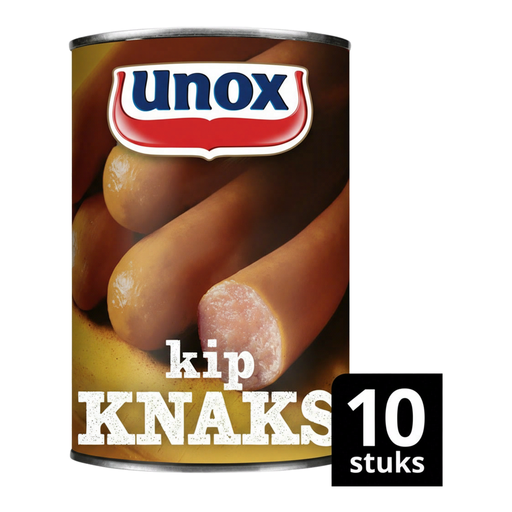
Why This Fits Their Persona: A practical choice for lunch, a quick snack or a simple meal. The 400-gram pack is well suited to regular use in a Dutch household.
The product information identifies chicken as the primary ingredient and provides clear heating times for a pan and microwave. Always check the current packaging.
143 kcal, 9 g of fat and 14 g of protein per 100 g according to the product specification; listed as free from the 14 major EU allergens.
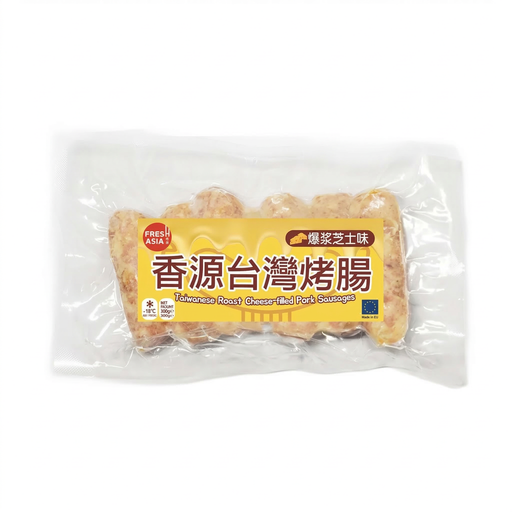
Why This Fits Their Persona: Ideal for anyone looking for a distinctive snack filled with mozzarella. The sausage works well in an air fryer or pan, as a party appetiser or in a lunchbox.
The weight, pork and cheese percentages and milk allergen are clearly stated. This product is not suitable for eating raw.
15% cheese and 73% pork according to the ingredient information; preparation guidance for pan and air fryer included.
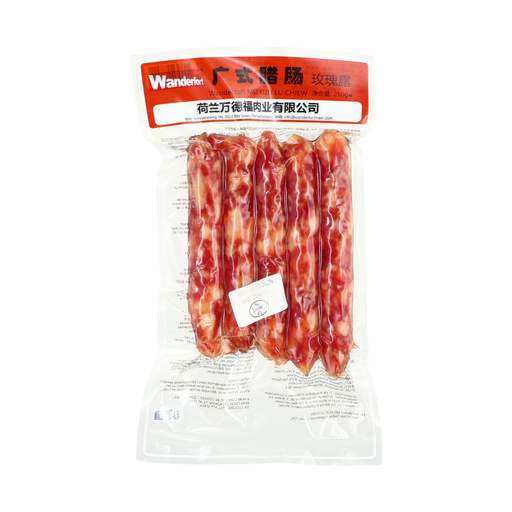
Why This Fits Their Persona: Designed for home cooks looking for a Chinese sausage to use in fried rice, stir-fries or steamed dishes.
The preparation method is specific: boil for 15 minutes, then briefly pan-fry. This makes it clear that it is not a ready-to-eat snack.
72% pork and 14% pork fat; the packaging recommends using it in rice dishes and stir-fries.
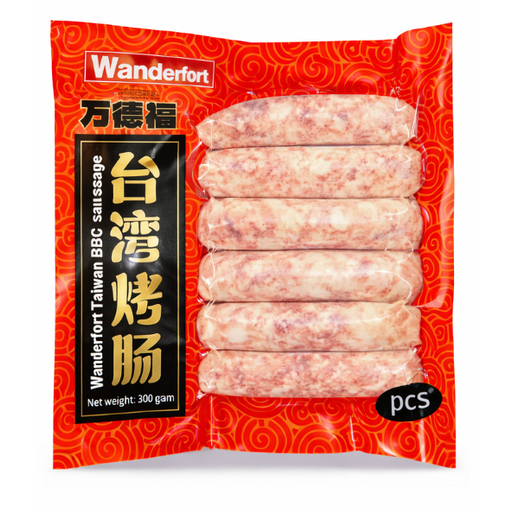
Why This Fits Their Persona: For fans of a sweet-and-savoury Taiwanese style who want to grill, pan-fry or pack the sausage in a lunchbox.
The specification identifies pork as the base ingredient, soy as an allergen and a frozen storage temperature of -18 °C or below.
300 grams per pack; suitable for grilling, pan-frying, deep-frying and microwave preparation according to the product information.
Browse a current selection of sausage products and compare meat type, weight, flavour, preparation and storage information before ordering.
Look for products that explicitly list grilling as a preparation method, such as Wanderfort Taiwan BBQ Sausage or Freshasia Taiwan Grilled Sausage Original Flavor. Thaw frozen sausage according to the label and heat it thoroughly. The exact cooking time depends on the thickness, temperature and type of barbecue.
Store frozen sausage at the temperature stated on the packaging, often -18 °C or below, and use the product before the stated best-before date. After thawing, many products must not be refrozen. Always follow the instructions on the current packaging.
When ordering sausage online, check the storage conditions, delivery information, ingredients, allergens and use-by date. For chilled or frozen products, it is important that the cold chain is maintained during storage and delivery. If the packaging is damaged or the product does not feel sufficiently cold, contact the seller.
