
Vandaag of morgen in huis

Kwaliteit gegarandeerd

Welkomstaanbiedingen ontgrendelen: GRATIS bezorging | Tot 80% korting | Gratis 30 dagen JoyPlus-proefperiode
Download de app
A bottle of sauces and dressings may seem simple to choose, but the differences often lie in the details. Satay sauce may be ready to serve or require preparation first. Mayonnaise can contain a lot of oil, while a dressing may consist mainly of water, vinegar and thickeners. Terms such as “authentic”, “light” or “extra spicy” do not always say enough about the ingredients.
That is why it pays to look beyond the front of the packaging when shopping online. Check the ingredients, nutritional information, serving size, allergens and intended use.
“Extra spicy”, “umami” or “rich flavour” are broad descriptions. The actual experience depends on the amount of chilli, vinegar, salt, sugar, spices or sesame. When choosing a chilli sauce or dipping sauce, it is worth checking whether chilli is listed among the first ingredients.
For example, the ingredients list for Hein Extra Spicy Flavor Dipping Seasoning consists of 55% chilli. The same list also states that it contains 12.4 grams of salt per 100 grams. These are more concrete details than simply calling a product “extra spicy”.
A 750 ml bottle of mayonnaise may seem appealing to a household that often eats chips, sandwiches or salads. After opening, however, such packaging requires more storage space and an appropriate consumption rate. Compare the price per 100 ml or 100 grams, and consider how often you use the product.
For occasional use, 200 to 350 ml may be more practical. For a barbecue, a large family or regular meal planning, a larger pack may be the better choice.
A claim about sugar, colourings or preservatives does not replace the ingredients list. A product may contain sweeteners, for example, or provide relatively high levels of fat and salt. According to the product information, Remia Honey Mustard Dressing contains 0.3 grams of sugar per 100 ml, while erythritol and sucralose are listed as sweeteners.
Use nutritional information as a point of comparison, not as the sole basis for judging a product. Also consider how much you actually use on a salad, snack or dish.
A ready-made sauce is convenient when you want to serve food quickly. According to the product information, Wijko Satay Sauce K&K only needs heating and is intended for approximately two portions. Remia Satay Sauce is also ready to use and comes in a 325-gram pack.
A dry mix, such as Kokki Djawa Satay Sauce Special, requires more preparation but gives you the flexibility to add your own ketjap and liquid. Chinese sauces and Asian sauces are also available as powders, pastes or liquid flavour enhancers. So check whether you are looking for a product for dipping straight away, marinating, stir-frying or mixing yourself.
Always check the full ingredients list, particularly for peanut sauce, sesame sauce, Japanese mayonnaise and prepared dressings. Common allergens in this category include:
The allergen information on the packaging takes precedence. If you have a food allergy or intolerance, you can use online product details as an initial filter, but check the label again when your order arrives.
Compare nutritional information per 100 grams or 100 ml. With mayonnaise, pay particular attention to fat and energy; with soya sauce, peri-peri seasoning and some dips, check the salt content; with sweet Chinese sauces and chutney, look at the sugar content.
Storage information is practical too. Some products need to be refrigerated after opening, such as a liquid dressing or a sauce with a short shelf life. Other products can be kept unopened in a cool, dry kitchen cupboard. Seal bottles and jars properly, and follow the date and storage instructions on the packaging.
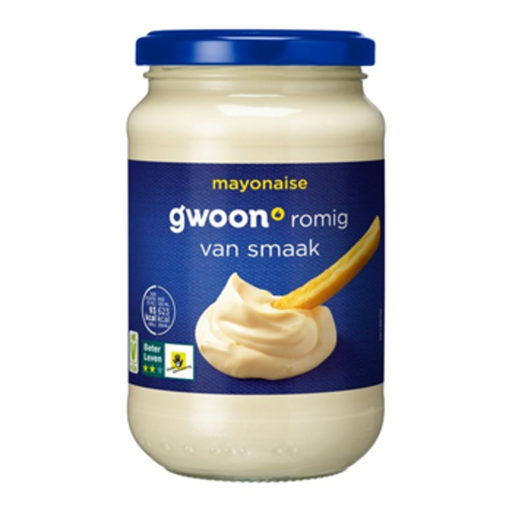
Why it suits this profile: A familiar 350 ml pack for sandwiches, salads, chips and snacks, without having to buy a large size straight away.
The quantity is easy to assess, and the product information lists ingredients, allergens and nutritional values per 100 grams.
68% rapeseed oil, 5% egg yolk and 0.68 grams of salt per 100 grams, according to the product details.
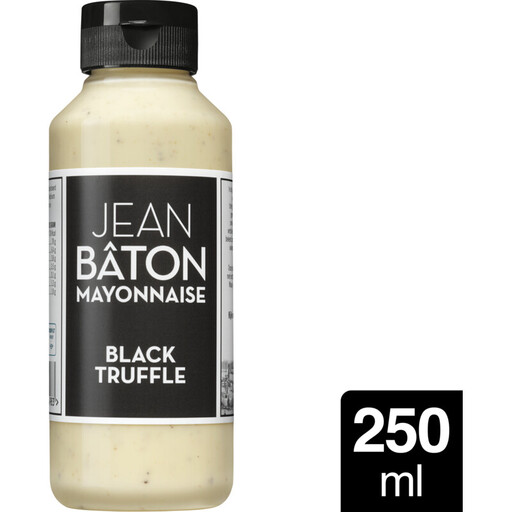
Why it suits this profile: For anyone looking for a small bottle with truffle as a distinctive flavour accent for meat, fish, carpaccio or a sandwich.
The product description specifies 1.5% truffle and lists eggs and mustard as allergens, making the flavour and composition easier to assess.
250 ml, squeeze bottle and 78 grams of fat per 100 grams according to the stated nutritional values.
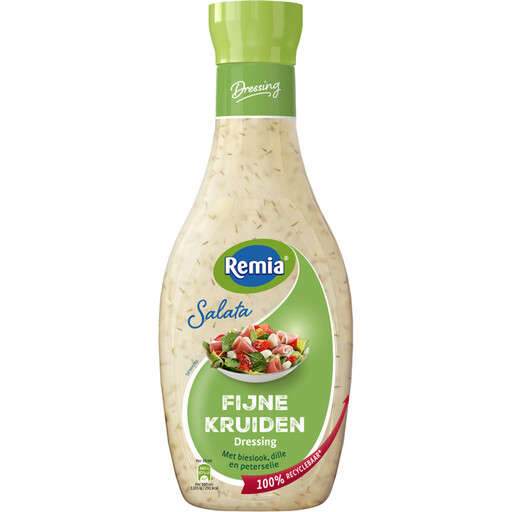
Why it suits this profile: A ready-to-use herb dressing for lettuce and raw vegetables, in a squeezable bottle that is easy to portion for everyday use.
The composition specifies 4.7% herbs, including chives, dill and parsley, as well as egg and mustard as allergens.
450 ml contents, 230 kcal and 1.1 grams of salt per 100 ml according to the product information.
We have put together a complete, up-to-date list of products that fully meet these strict selection criteria and the applicable European safety regulations.
A dressing is usually intended to be poured directly over salad, vegetables or cold dishes. A sauce can also be used as a dip, marinade or accompaniment to hot dishes. The distinction is not always strict: sesame sauce, soya sauce and lemon dressing can be used in several ways.
This varies from product to product. Store unopened bottles and jars according to the label, usually in a cool, dry place. Some products need to be refrigerated after opening. Check the best-before information, seal the packaging properly and do not use any product whose packaging is damaged or whose smell, colour or texture has clearly changed.
Satay sauce, mayonnaise, chilli sauce, peri-peri seasoning and various dipping sauces are practical choices for barbecues and snacks. Satay sauce goes well with chicken and skewers, mayonnaise with chips and sandwiches, while a spicy chilli mix or Chinese sauce adds extra flavour to grilled meat, noodles and dumplings. Check the allergens beforehand, particularly peanuts, soya, sesame and mustard.
