
Vandaag of morgen in huis

Kwaliteit gegarandeerd

Welkomstaanbiedingen ontgrendelen: GRATIS bezorging | Tot 80% korting | Gratis 30 dagen JoyPlus-proefperiode
Download de app
A bottle of chilli sauce, jar of Mexican salsa or tube of mayonnaise may seem simple enough to choose. Yet there are clear differences in flavour, ingredients, size and usage. If you focus only on an eye-catching label or a low price, you could end up with a sauce that is too hot, spoils quickly or sits unused at the back of the fridge.
Joybuy Product Recommendation Officer sets out the key points to consider. This helps you compare sauces based on verifiable product information rather than marketing language.
The descriptions hot sauce, extra hot and medium hot vary from one brand to another. A specific Scoville value (SHU) is also not always shown on the label. If this information is missing, it is difficult to compare the heat level with other chilli sauces.
So also consider the use of peppers, vinegar, sugar and garlic. A sauce containing lots of vinegar tastes fresher and sharper, while sugar gives the flavour a rounder finish. A product such as Encona Hot Pepper Sauce Original combines cayenne peppers, distilled vinegar and spices. This gives you an indication of its flavour profile, but it is not an exact measure of its heat.
An 850 ml bottle of sweet chilli sauce can be useful for a family, barbecue or party. For someone who only uses dipping sauce occasionally, a smaller size may be more practical. Check the price per 100 ml or 100 g, rather than looking only at the pack price.
Also check how long the sauce keeps after opening. Product information sometimes only states that the bottle should be kept tightly closed and stored in a cool or dry place. For some sauces, such as sambal-style chilli sauce, refrigeration is recommended after opening. Always follow the instructions on the current label.
Mayonnaise may contain egg, mustard, soya or celery. Satay sauce often contains peanuts, soya, milk and wheat. Hoisin sauce may contain soya, wheat and sesame, among other ingredients. Always check the full ingredients list and allergen information, even when you only intend to use the sauce as a dip.
A product described as free from the 14 main EU allergens is not automatically suitable for every allergy. If in doubt, check the packaging and the supplier’s information.
Start with the dishes you are buying the sauce for:
A sauce intended for dipping does not need to have the same consistency as a marinade. For example, a smooth, pourable hot sauce mixes easily into soup, mayonnaise or a dressing. A thicker sauce, on the other hand, stays on snacks or grilled meat more effectively.
Compare net quantity, packaging type and ease of dispensing. A glass jar is useful for salsa and pesto, while a squeeze bottle may be suitable for mayonnaise or sweet chilli sauce. Also check whether the opening stays clean and closes securely.
For everyday use, 200 to 350 ml may be sufficient. For a party, large household or regular cooking, sizes from 750 to 850 ml are more appealing. With a large bottle, pay extra attention to the storage instructions and the period in which you will use the product.
Sauces are often eaten in small portions, but nutritional values are usually listed per 100 g. Pay particular attention to:
For example, according to the product information, Inproba Sweet Chilli Sauce contains 42 g of sugar per 100 g, while Encona Hot Pepper Sauce Original lists 7.8 g of salt per 100 g. This does not make these products unsuitable, but it does help you make more informed choices about portions and combinations.
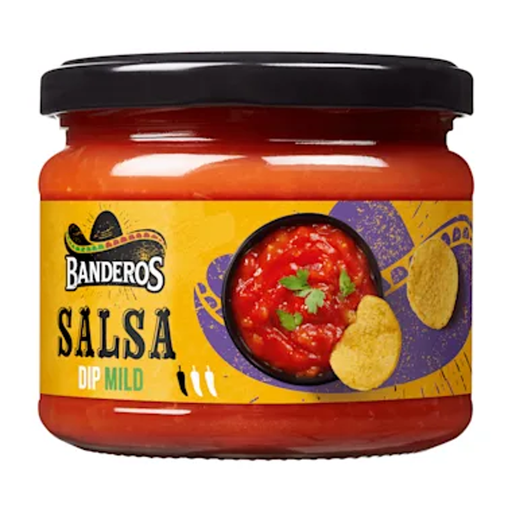
Why it suits this profile: An accessible size for nachos, vegetables, snacks and parties where not everyone enjoys spicy food.
The stated mild flavour makes the choice clearer than an ambiguous hot rating.
300 g, tomato-based and described as free from the 14 main EU allergens.
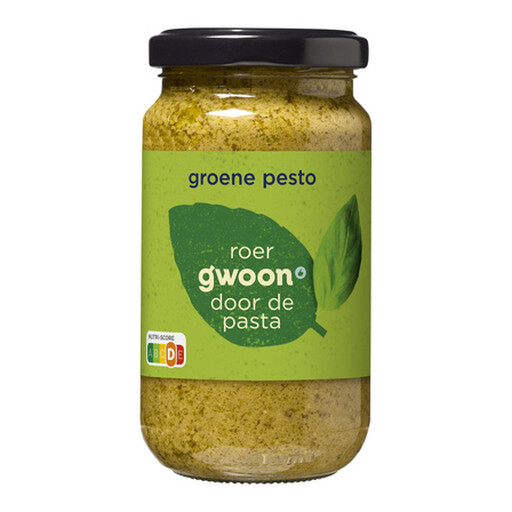
Why it suits this profile: Ideal if you are looking for an Italian flavour enhancer for pasta, bread or simple meals.
The ingredients list includes basil, oil, cheese, garlic and nuts, allowing you to check the flavour and allergen profile.
190 g glass jar; according to the product information, contains cashew, milk and sulphites.
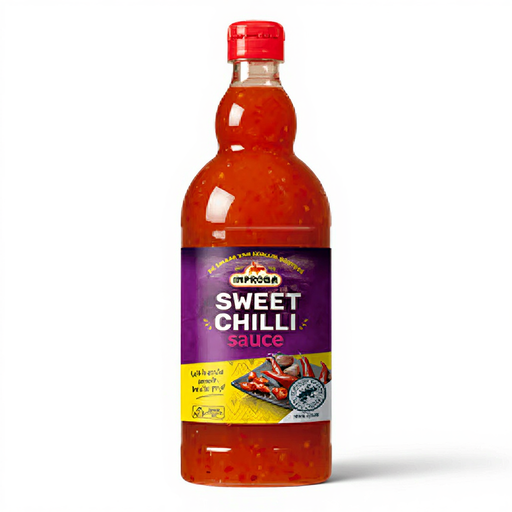
Why it suits this profile: A large size for fans of Asian sauces, marinades, barbecues and regular snacking.
The contents are clearly stated, so you can weigh the large size against your actual consumption.
850 ml; according to the product information, suitable as a dip, marinade and accompaniment to grilled chicken.

Why it suits this profile: Handy for two portions with satay, chips, a barbecue or a quick Asian meal.
The portion size reduces the risk of waste if you do not use satay sauce often.
120 g for two servings; contains peanuts, milk, soya, wheat and cereals containing gluten.
Use filters and product pages to select a type first: chilli sauce, mayonnaise, mustard, salsa, pesto, satay sauce or hoisin sauce. Then compare:
Remember that brand claims are not the same as independent measurements. Based on a brand’s own research, for example, a sauce may be described as authentic, balanced or particularly flavoursome. Use such wording as an indication of flavour, while also checking the objective product details.
For a wider selection, you can also browse savoury sauce flavour, featuring a range of flavour enhancers for everyday meals and international dishes.
We have put together a complete, up-to-date list of products that fully meet these strict selection criteria and the applicable European safety regulations.
Mayonnaise and chip sauce are classic choices. Remia Fritessaus Classic is available in a 1-litre size and is described in the product information as a dip for chips, snacks and salad. Always check the allergens in mayonnaise, such as egg and mustard.
This varies from product to product. Some sauces need to be refrigerated after opening; for Herdez Salsa Casera, for example, the jar should be kept refrigerated and used within four weeks. Other products mainly state that the packaging should be kept tightly closed and away from sunlight. Always follow the date and instructions on the packaging.
For barbecue dishes, you can choose from chilli sauce, sweet chilli sauce, satay sauce, hoisin sauce and sukiyaki sauce. A sweet and spicy sauce works well as a dip or marinade, while satay sauce pairs nicely with chicken and grilled skewers. When using marinades, check that the consistency mixes well with the dish and take allergens such as peanuts, soya, wheat and sesame into account.
