
Vandaag of morgen in huis

Kwaliteit gegarandeerd

Welkomstaanbiedingen ontgrendelen: GRATIS bezorging | Tot 80% korting | Gratis 30 dagen JoyPlus-proefperiode
Download de app
Shelves, both physical and virtual, are overflowing with sauces and condiments promising adventurous flavours. But how often does a new bottle end up at the back of the fridge after just one taste? Finding the right flavour for your kitchen can be a challenge. Many products look tempting but fail to deliver on their promise. As a Joybuy Product Recommendation Officer, I'm here to help you see through the marketing jargon and make choices you'll genuinely enjoy.
Before you add a new bottle of chilli sauce or a jar of bean paste to your cart, it's wise to consider a few common pitfalls:
To avoid a bad purchase, it helps to know what to look for. With these three key points, you can make an informed choice and confidently buy a new spice paste.
The order of ingredients tells the real story. The ingredient listed first is the most prominent one. Looking for a good chilli sauce? You want chilli peppers to be high on the list, not sugar or water. The same goes for a bean paste: the beans should play the leading role. Be wary of long lists of flavour enhancers (E-numbers like E621) and preservatives; while sometimes necessary, an excess can indicate a less pure product.
Not all sauces are created equal. It's useful to know the difference between the main types:
Knowing which type you need will prevent you from, for example, pouring a concentrated paste directly over your salad.
Ask yourself: "What else can I use this for?". A good satay sauce isn't just delicious with a barbecue; it can also serve as a base for a noodle dish or as a dip for vegetables. A complex chilli paste can be used as a marinade, an addition to a stew, or a flavour booster in a dressing. The more applications, the greater the chance the bottle will actually be used up.
To get you started, we've highlighted a few global flavours that suit different types of home cooks. This selection is based on their ingredients, versatility, and clear purpose.
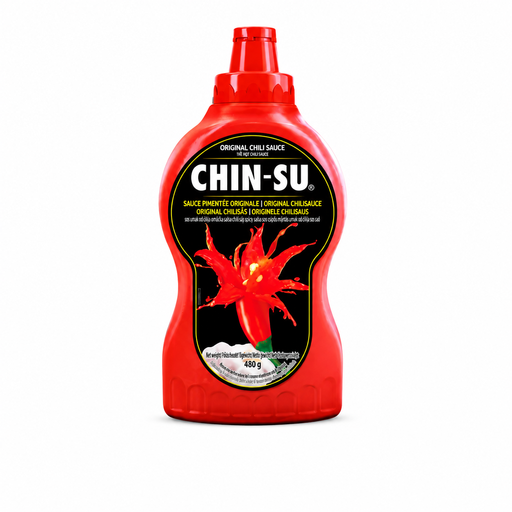
Why This Fits Their Persona: Ideal for those wanting to start with Asian flavours without being overwhelmed. This Vietnamese chilli sauce has a balanced sweet-and-spicy flavour that is widely applicable, from a dipping sauce for snacks to an extra kick in soups or on a sandwich.
This is the opposite of a one-hit wonder. Its versatility ensures the bottle won't get lost at the back of the fridge but will earn a permanent spot on the table.
The unique, slightly thicker texture (due to the addition of sweet potato) clings well to food. The flavour is spicy, but with enough sweet and sour notes to provide balance.
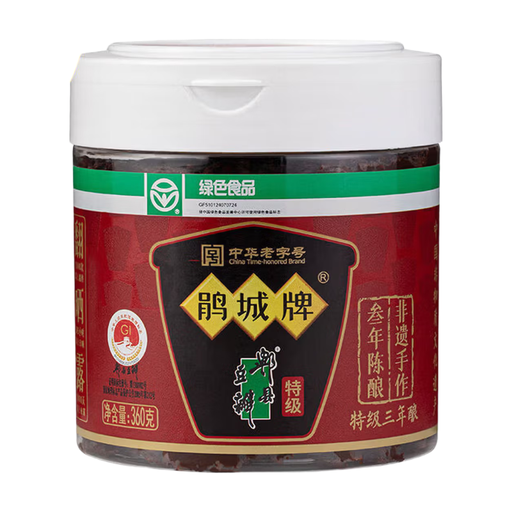
Why This Fits Their Persona: For the cook who seeks depth. This isn't a simple sauce; it's the soul of Sichuan cuisine. This fermented broad bean paste (Doubanjiang) is the foundation for dishes like Mapo Tofu and provides an unparalleled salty, spicy, and deep umami flavour.
This product sidesteps the "authentic" label trap. It's not an imitation but the actual core ingredient used in China to achieve an authentic flavour.
An essential flavour base for countless Sichuan dishes. The premium-grade quality ensures a deeper, more complex taste due to a longer fermentation process.
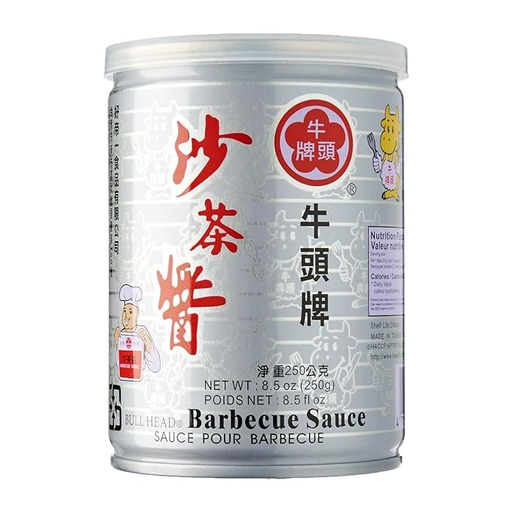
Why This Fits Their Persona: For those who want to add a deep, savoury flavour quickly. This Taiwanese satay sauce is not a peanut sauce, but a rich paste made from ingredients like dried fish, shallots, and garlic. Perfect for instantly elevating a simple stir-fry or noodle soup.
This sauce avoids the hidden sugar trap. Its flavour is complex and savoury (umami) due to its ingredients, not an overload of sweeteners. It's a true flavour enhancer.
Extremely versatile: use it as a hot pot base, in stir-fries, as a marinade, or simply stir a spoonful through your noodles. A jar lasts a long time because the flavour is so concentrated.
We have compiled a complete, up-to-date list of products that meet these selection criteria and comply with current regulations.
The heat level of a chilli sauce can vary greatly. Check the ingredient list: a high percentage of chilli often indicates more heat. The type of pepper is also important; Habanero, for example, is much hotter than Jalape?o. Some products use "capsicum extract," which adds pure heat without much flavour. If you prefer an aromatic, complex spiciness, it's better to choose sauces that specify the types of peppers used.
This depends on the product. Sauces with high acid (vinegar), salt, or sugar content have a longer shelf life. The general rule is to store an opened jar in the refrigerator and always use a clean spoon to prevent cross-contamination. The exact shelf life after opening is usually stated on the label. Also, trust your senses: if it looks, smells, or tastes strange, discard it.
A bean paste, like the aforementioned Doubanjiang or a sweet bean sauce, is a fermented paste made from beans (often soy or broad beans). Fermentation creates a deep, complex, and salty umami flavour. It is a foundational ingredient. A spice paste is a blend of (usually) fresh herbs and spices like lemongrass, galangal, garlic, and peppers. These pastes are often the complete flavour base for a specific dish, such as a Thai curry or an Indonesian rendang.
