
Vandaag of morgen in huis

Kwaliteit gegarandeerd

Welkomstaanbiedingen ontgrendelen: GRATIS bezorging | Tot 80% korting | Gratis 30 dagen JoyPlus-proefperiode
Download de app
A bottle of sauce might seem like a simple purchase, but the difference between a well-stocked cupboard and a collection of half-empty jars often comes down to the details. When it comes to sauces and seasonings, many shoppers focus mainly on the brand, packaging or an eye-catching claim on the label. As a result, important points such as ingredients, allergens, sugar content and when to use them can sometimes be overlooked.
A product with a trusted name can have a very different composition from what you expect. So always compare the ingredients list and nutritional values. With a tomato sauce, for example, the difference might lie in the percentage of tomato, the amount of salt or added sugar.
According to the product information, Mutti Classica Pizza Sauce contains 82.4% tomato, water and salt. The sauce is intended as a ready-to-use pizza base. A pasta sauce, such as Mutti Tomato Pasta Sauce With Basil, also contains tomato pulp, olive oil, onion and basil. This makes each product suitable for a different dish.
A chip shop-style sauce without sugar can still be relatively high in fat. So look at the full nutritional table, not just one prominent claim. Remia Tdt Fritessaus Zero states 0 grams of sugar per 100 grams, but also 10 grams of fat and 130 kcal per 100 grams.
With curry sauces and ketchups too, sugar can be a significant part of the composition. Remia Curry Sauce states 19 grams of sugar per 100 grams; Hela Herbal Curry Original states 29 grams. That doesn't have to be a problem, but it does help you choose a sauce that fits your diet.
Are you looking for gluten-free soy sauce, vegan satay sauce or a sauce without milk? Always check the current packaging. Recipes can change, and allergens aren't always listed in the same way in online product descriptions.
Kikkoman Tamari Gluten Free Soy Sauce contains water, soybeans, salt and alcohol vinegar according to the product information, and lists soya as an allergen. Regular Kikkoman Soy Sauce also contains wheat. If you have an allergy or coeliac disease, it's wise to check the packaging and official allergen information before using the product.
The order of ingredients gives you a practical picture: what's listed first is present in the largest amount. Also look out for allergens such as soya, wheat, milk, eggs, mustard, peanuts, fish and shellfish.
Examples:
First, decide what you need the sauce for. Here are a few practical categories:
According to the product information, Mizkan Yuzu Ponzu combines soy sauce with 4% yuzu juice, making it an option for dishes where a sour, citrus flavour is desired. Healthy Boy Fermented Fish Sauce contains 70% fermented anchovies according to the supplied product data, and is primarily aimed at Thai cooking. Such products are less versatile, but can be particularly valuable if you regularly make specific recipes.
A large bottle isn't always better value if you only use the sauce occasionally. Compare the volume with how much you consume and pay attention to the storage advice. Many products need to be refrigerated after opening. According to the product information, this applies to truffle dressing, mustard-dill sauce, ponzu and various Asian sauces.
A squeezy bottle is handy for daily use, while a jar or bottle with a smaller capacity is better suited to a seasoning you use only now and then. Always check on receipt that the packaging isn't leaking, bulging or damaged.
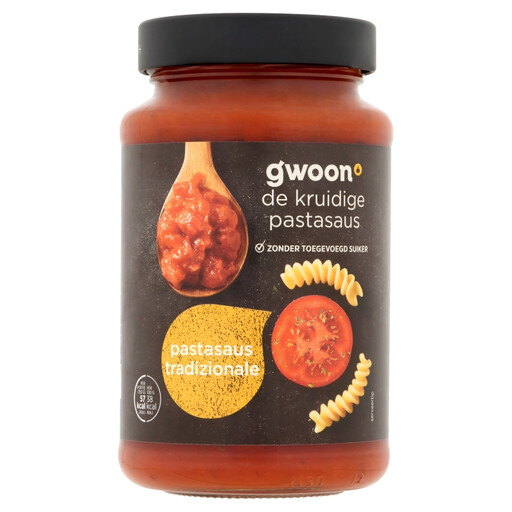
Why this fits the profile: A ready-to-use pasta sauce for weekday meals, without needing to buy several separate ingredients.
The product information states 79% tomato and no added sugars. Check the current packaging for the full composition.
490 grams, ready to use and, according to the product information, free from the 14 main EU allergens.
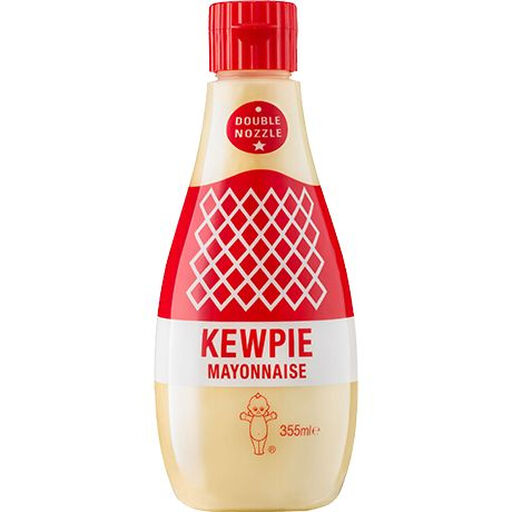
Why this fits the profile: Ideal for those deliberately seeking a Japanese mayonnaise for sushi, sandwiches, salads and snacks.
The bottle clearly lists egg and mustard as allergens, so the choice is verifiable rather than based on the packaging alone.
355 ml, squeezy bottle and, according to the product information, made with 15% egg yolk.
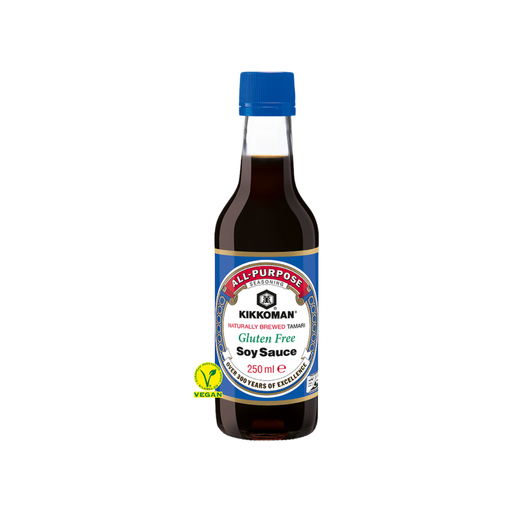
Why this fits the profile: A targeted choice for anyone making Asian dishes and looking for a gluten-free soy sauce.
The product description positions this tamari as a gluten-free option. If you have allergies, always check the label and current manufacturer details too.
250 ml, based on soybeans and without wheat in the listed ingredients.
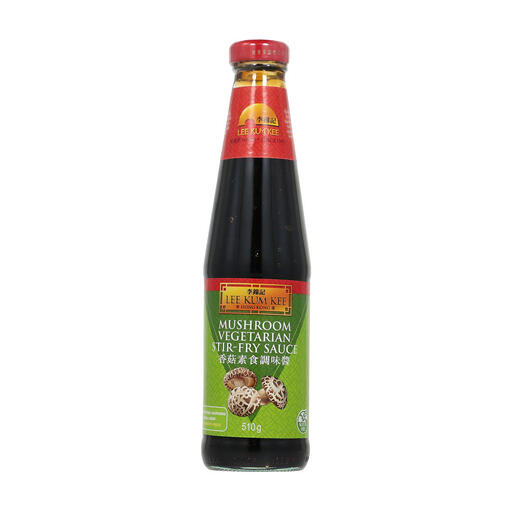
Why this fits the profile: A plant-based seasoning for stir-fries, tofu, noodles and vegetables.
The product information states a vegetarian and vegan application. The ingredients do contain soya and wheat, so check allergens carefully.
510 grams, suitable for stir-frying, braising, dipping and flavouring vegetables and tofu.
We've put together a full, up-to-date list of products that fully meet these strict selection criteria and current European safety regulations.
Before you order, make a short list:
Tomato sauce is a broad category. Pasta sauce is usually ready to use straight away and often contains herbs, oil or onion. Pizza sauce is typically intended as a thin or thick base on dough. According to the product description, Mutti Classica Pizza Sauce is a ready-to-use pizza base, while Mutti Tomato Pasta Sauce With Basil is aimed at pasta.
That depends on the full ingredients list and allergen information. Kikkoman Tamari Gluten Free Soy Sauce is a specific option for gluten-free soy sauce. Some ketchups, curry sauces and satay sauces also state they contain no gluten, but always check the current packaging.
This varies by product. Follow the storage instructions on the label; some sauces need to be kept in the fridge after opening and used within a limited time. Keep the bottle or jar tightly closed and use clean utensils to prevent contamination.
