
Vandaag of morgen in huis

Kwaliteit gegarandeerd

Welkomstaanbiedingen ontgrendelen: GRATIS bezorging | Tot 80% korting | Gratis 30 dagen JoyPlus-proefperiode
Download de app
The aisle for sauces and seasonings can be overwhelming. From authentic Asian sauces to the familiar bottle of fry sauce, the selection is enormous. But how can you be sure you're making a smart purchase? Many products look appealing but fail to meet expectations in practice. Before you start buying seasonings, it's wise to know what to look for to avoid common purchasing mistakes.
Many home cooks fall into the same traps:
By paying attention to a few key points, you can sidestep these pitfalls and make the right choice with greater confidence.
A good sauce or seasoning can make or break a dish. Pay attention to the following specifications to ensure you get what you're paying for.
Marketing is one thing; the ingredient list is a fact. Ingredients are always listed in order of quantity. For a quality oyster sauce, you expect oyster extract to be high on the list, not sugar or water. Also, check for the presence of unnecessary fillers or artificial flavour enhancers. The nutritional information table also provides a clear picture of the salt and sugar content.
Think about how often you'll use a product. A large bottle of Maggi is practical for daily use, but a small squeeze bottle of chilli sauce is more convenient for occasional use.
A tidy pantry starts with the right storage. Good spice jars and containers will keep your herbs and spices fresh longer and your kitchen organised.
Not all Asian sauces are interchangeable. For example, Japanese soy sauce (shoyu) has a different flavour profile than Chinese or Indonesian soy sauce (ketjap). A Korean sweet and spicy sauce for chicken is specifically developed for that dish and will yield a different result than a generic sweet chilli sauce. If you know which dish you're shopping for, choose a product designed for that purpose to get the most predictable and suitable result.
Based on product specifications and applications, we have compiled a list of popular choices for different types of home cooks.
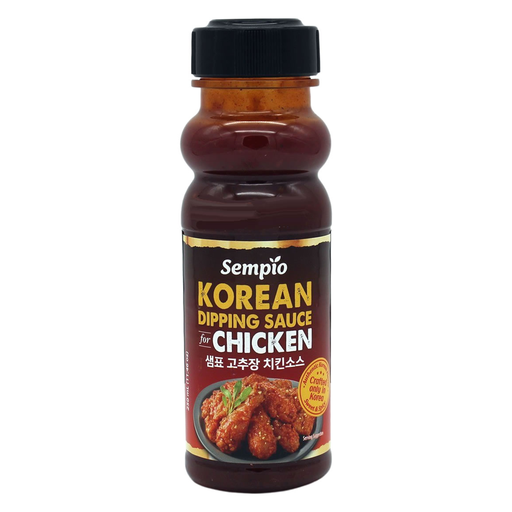
Why This Fits Their Persona: Perfect for those who want to try the popular Korean cuisine at home without having to make a complex sauce from scratch. This sauce is specifically designed for the 'Korean Fried Chicken' dish.
This isn't a vague "Asian" sauce, but a product with a clear application. The Sempio brand is an established name in Korea, which inspires confidence in its flavour. The ingredient list is clear about its base of gochujang (chilli paste), among other things.
Specifically formulated for a popular dish. Offers an authentic sweet and spicy flavour that is difficult to replicate from scratch.
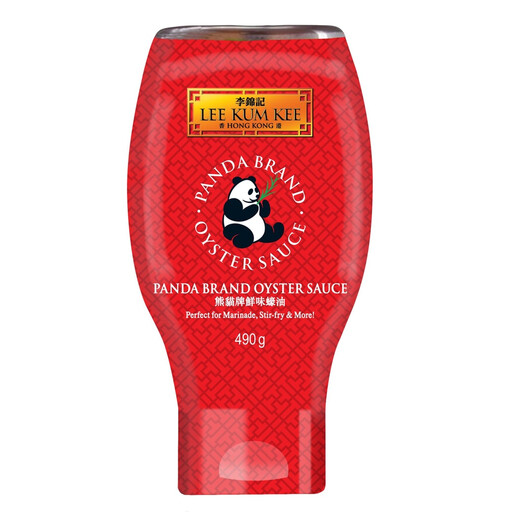
Why This Fits Their Persona: Oyster sauce is a versatile umami bomb for stir-fries, marinades, and soups. This person is looking for a reliable, easy-to-use staple product.
The squeeze bottle solves the problem of a clumsy, messy glass bottle. Dispensing is easy and clean. LKK is a well-known brand for oyster sauce, and the ingredient list shows oyster extract as one of the main components.
Very user-friendly squeeze bottle. A versatile seasoning that can be used in countless dishes.
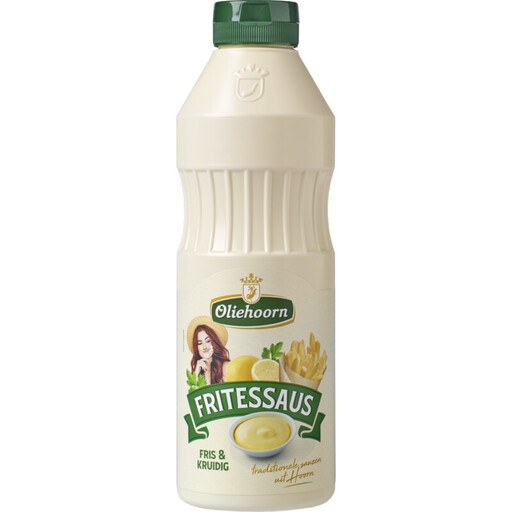
Why This Fits Their Persona: For the fan of classic Dutch fries with sauce. This person wants a familiar, creamy, and slightly sweet fry sauce from a well-known Dutch brand.
The product information is transparent about the oil percentage (25% rapeseed oil). It is not mayonnaise and doesn't pretend to be. The flavour is based on a traditional recipe, not on marketing hypes.
Made by a Dutch family-owned company. Contains less oil than traditional mayonnaise, resulting in a fresher, slightly sweet taste.
Now that you know which seasonings you want to try, the next step is to store them properly and keep them organised.
We have compiled a complete, real-time list of products that fully satisfy these strict selection criteria and EU safety regulations.
This varies greatly by product. Always check the label for specific storage instructions after opening. As a general rule, store opened sauces in the refrigerator. Sauces with high acid (vinegar) or salt content typically last longer. Use your senses: if the sauce looks strange, smells off, or shows signs of mould, discard it.
Although both are umami-rich seasonings from Asian cuisine, they are very different. Oyster sauce is a thick, dark, and viscous sauce made from oyster extract, soy sauce, and sugar. Its flavour is salty and slightly sweet. Fish sauce (like Squid Fish Sauce) is a thin, watery, and amber-coloured liquid made from fermented fish (usually anchovies) and salt. Its flavour is much saltier and more pungent. Oyster sauce is often used in stir-fries, while fish sauce is a base for soups, dressings, and dipping sauces.
Sometimes, but be careful. A marinade is intended to flavour raw meat, fish, or vegetables. If the marinade has been in contact with raw ingredients, you must not use it as a dipping sauce without heating it first, due to bacteria. However, some products are labelled as "marinade and dipping sauce." In that case, read the label to see if the sauce is ready to eat.
