
Vandaag of morgen in huis

Kwaliteit gegarandeerd

Welkomstaanbiedingen ontgrendelen: GRATIS bezorging | Tot 80% korting | Gratis 30 dagen JoyPlus-proefperiode
Download de app
The right sauce can make or break a dish. But the search for the perfect bottle or jar on an overwhelming shelf can be frustrating. Whether you're looking for a classic ketchup for your fries, or authentic Asian sauces for a new recipe, it's easy to make the wrong choice. As a Joybuy Product Recommendation Officer, I'll help you cut through the marketing jargon and focus on what really matters, so you can buy the right sauces and seasonings with confidence.
Before you fill your shopping basket, it's wise to consider a few common pitfalls. These often lead to you coming home with a product that doesn't meet your expectations.
soy sauce, contain more sugar and salt than you might expect. Manufacturers use various names for sugar (like dextrose or glucose syrup), making it difficult to estimate the actual amount.soy sauce is the same. Using a dark soy sauce for a light stir-fry can completely overpower the flavour. The same goes for miso paste; a dark, robust variety isn't always suitable for a delicate soup.To avoid these pitfalls, you can focus on a few concrete specifications. This will help you make an informed choice that suits your taste and cooking style.
The ingredients list is your most important tool. Ingredients are listed in order of quantity. If sugar (or one of its variants) is at the top, you know it's a primary ingredient. Pay attention to the following:
ketchup, for example, are available.soy sauce and other Asian sauces. Low-sodium options are often available.vegan sauce, check specifically for animal-derived ingredients like oyster extract, anchovies, or milk powder.Briefly familiarise yourself with the different types of sauces to avoid disappointment in the kitchen.
wok sauces and dipping sauces. Dark soy sauce is thicker, less salty, and slightly sweet, and is mainly used to give dishes a deep colour. Brands like Lee Kum Kee offer clear choices in this regard.Hela curry is a sweet and spicy ketchup-style sauce, whereas a Thai curry paste is a concentrated blend of herbs and spices that serves as the base for a curry dish.To get you started, we've highlighted some popular choices and matched them with different user profiles.
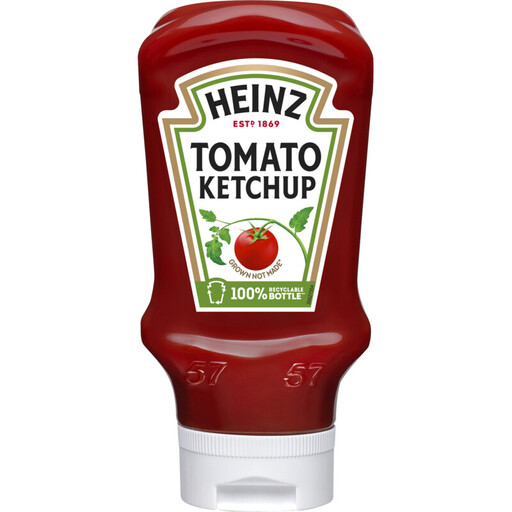
Why This Fits Their Persona: For those who want a reliable, familiar flavour for fries, grilled cheese, or burgers. A pantry staple that offers predictability and quality.
This product avoids the pitfall of vague claims. Heinz is transparent about its tomato content (148g per 100g of ketchup) and delivers a consistent taste. For those looking to avoid sugar, a 0% version is also available.
Unmistakable flavour; free from artificial colours and thickeners.
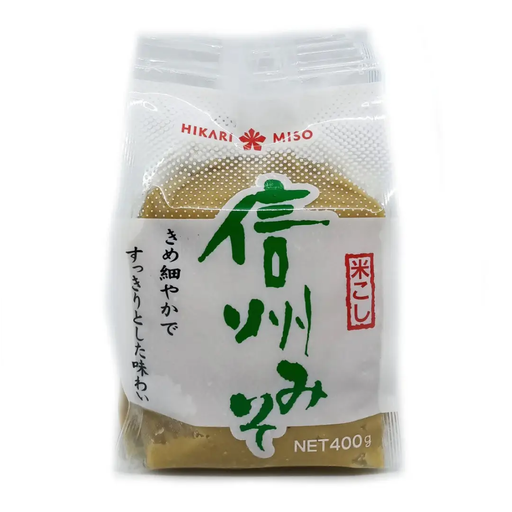
Why This Fits Their Persona: Ideal for those who want to experiment with authentic Japanese flavours. This Shinshu miso is a versatile base for miso soup, marinades, and dressings, and a perfect introduction to umami.
This product helps avoid the "wrong type for the wrong dish" pitfall. As a mild, accessible miso, it's a safe choice for beginners. The ingredients list is short and traditional: soybeans, rice, salt, water, and alcohol.
Made from fermented soybeans and rice; free from artificial colours and preservatives.
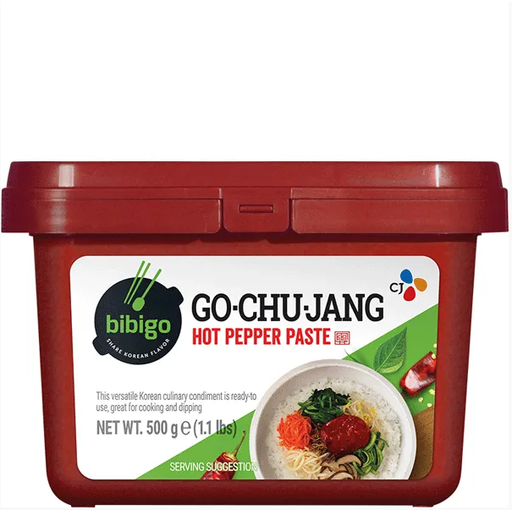
Why This Fits Their Persona: Perfect for anyone looking for a spicy, authentic Korean flavour that is 100% plant-based. Ideal for flavouring stews, marinades, or as a vegan sauce with noodles and tofu.
This product directly tackles the "hidden ingredients" trap. The label explicitly states "vegan," which means it contains no anchovies or other animal products sometimes found in traditional gochujang.
100% vegan; authentic, fermented flavour; versatile in use.
We've compiled a complete and up-to-date overview of products that meet these selection criteria. For example, discover our full range of plant-based seasonings.
Light soy sauce is thinner, lighter in colour, and saltier. It is primarily used to season dishes without significantly altering their colour, making it ideal for stir-fries and as a dipping sauce. Dark soy sauce is aged longer, is thicker, and has a deep brown colour with a milder, slightly sweet flavour. It is mainly used to give dishes like stews and marinated meats a rich colour and deep flavour.
Fermented pastes like miso and gochujang have a long shelf life, but it is advisable to store them in the refrigerator after opening. Ensure the packaging is sealed tightly to prevent them from drying out and losing flavour. Placing a piece of plastic wrap directly on the surface of the paste can help minimise contact with air.
Yes, there are excellent vegan sauce alternatives to oyster sauce. These are typically made from mushrooms, often shiitake. They mimic the savoury umami flavour and viscous texture of traditional oyster sauce. Brands like Lee Kum Kee offer a "Mushroom Vegetarian Stir Fry Sauce" that serves a similar function in wok sauces and marinades.
