
Vandaag of morgen in huis

Kwaliteit gegarandeerd

Welkomstaanbiedingen ontgrendelen: GRATIS bezorging | Tot 80% korting | Gratis 30 dagen JoyPlus-proefperiode
Download de app
When you’re looking to buy sauces and dressings online, you’ll quickly come across dozens of varieties: from mayonnaise and salad dressing to sambal, gochujang, pesto and Asian sauces. An attractive jar doesn’t always tell you enough about the taste, ingredients or ease of use. These practical pointers will help you avoid ending up with a bottle that sits unused in the fridge.
A 450 ml or 500 ml bottle might seem like good value, but that advantage disappears if you only use the sauce occasionally. Dressings containing egg, dairy or oil in particular may have specific storage instructions after opening. So always check:
A smaller pack, such as wasabi paste or wasabi mayonnaise, can be more practical if you only make sushi, fish or snacks now and then.
Words like “authentic”, “creamy” or “spicy” give you an idea, but they don’t tell you exactly what’s in a product. So look at the ingredients. Japanese mayonnaise, for example, may use egg yolk, vinegar, mustard and MSG to create its flavour profile. With gochujang, red pepper, sugar syrup, salt and fermented ingredients all contribute to that sweet-and-spicy balance.
When it comes to claims about how a product works or tastes, remember: if a brand highlights a particular quality, that’s the brand’s own claim. Judge the product instead on the listed ingredients, nutritional values and suggested uses.
Sauces often contain egg, milk, mustard, soya, gluten, fish, peanuts or sesame. Always check the allergen information, even if you’ve bought a similar product before. Recipes can vary between brands and countries of origin. The product packaging is the definitive source for the most up-to-date information.
First, decide what you want the sauce for. A honey-mustard dressing, for instance, works well with salad, sandwiches and raw vegetables. A lemon dressing might be a better match for fish, marinades or Mediterranean dishes. For noodles, stir-fries and dumplings, a spicy sauce, sesame paste or gochujang is usually more suitable.
Pay attention to the order of ingredients: what comes first is generally present in the largest amount. In a rub, for example, salt can make up a significant part of the mix. Cape Herb & Spice Greek Lemon & Herb Rub lists 40% sea salt, alongside rosemary, roasted garlic, oregano and dried lemon peel. That makes the rub a great flavour enhancer, but you still need to use it sparingly.
Compare products on the same basis – usually per 100 grams. Mayonnaise generally contains more fat than a dressing based on vinegar or lemon juice. A honey-mustard dressing can be relatively high in sugar, while a sugar-free version uses sweeteners. That doesn’t automatically make a product suitable or unsuitable; it simply helps you make an informed choice.
Examples from the range:
A squeezy bottle is handy for everyday use and helps you spread a dressing evenly over a salad. A jar can be a better fit for thick pastes, pesto or gochujang. Check whether you need to shake it before use. Some vinaigrettes may separate naturally.
Store sauces according to the label. Products like Condy Lemon Juice Dressing, Thai dressing and some vinaigrettes need to be refrigerated after opening. Keep opened bottles tightly sealed and don’t use any packaging where the seal is damaged.
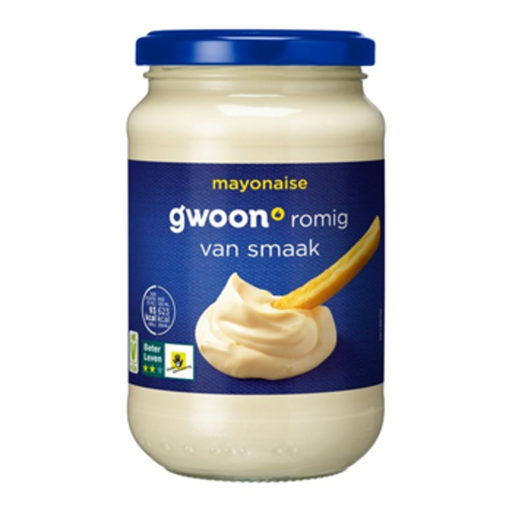
Why it fits this profile: A versatile mayonnaise for chips, sandwiches, salads and dips. The 350 ml pack is a sensible size for regular household use.
The ingredients and nutritional values are clearly stated, so you can compare the oil, sugar and salt content before you order.
350 ml content; 68% rapeseed oil; suitable for sandwiches, salads and snacks.

Why it fits this profile: For those deliberately looking for a distinctive Japanese mayonnaise with egg yolk, vinegar and an umami flavour, as described on the product.
The ingredients and allergens are visible upfront, so you know the product contains egg, soya and mustard before you add it to sushi or salads.
500 ml pack; egg yolk as an ingredient; suitable for sushi, salads and grilled dishes.
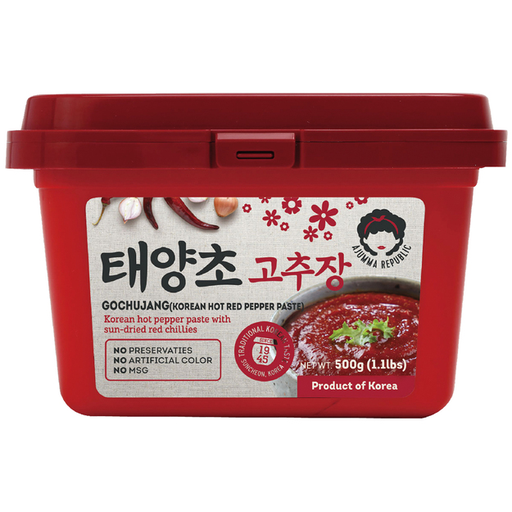
Why it fits this profile: A Korean chilli paste for marinades, stews, stir-fries, bulgogi and dips. The jar suits cooks who regularly make Asian dishes.
The label lists, among other things, 6.8 grams of salt and 23 grams of sugars per 100 grams, so you can adjust the intensity and quantity to suit your needs.
500 g content; suitable for marinades and stir-fries; contains no MSG according to the product specification.

Why it fits this profile: A compact lemon dressing for salads, fish, marinades and Turkish or Mediterranean dishes. The sharp citrus flavour works as a complement to oil, herbs and garlic.
The bottle is 200 ml, making it ideal when you don’t need a large amount of dressing. The product specification also notes that shaking before use is required.
23 kcal per 100 ml; no fat according to the product information; suitable for vegetarians and vegans as stated.
We’ve put together a full, up-to-date list of products that fully meet these strict selection criteria and comply with current European safety regulations.
Japanese mayonnaise and wasabi mayonnaise work well with sushi, poke bowls and fried snacks. Check the ingredients and allergens beforehand. Wasabi mayonnaise, for example, contains egg and mustard. If you’re only after a strong flavour hit, you can also add wasabi paste separately.
That depends on the product. Look at the instructions on the packaging and check whether refrigeration is needed. A dressing with lemon juice, dairy or egg may have different storage requirements than a dry spice rub. It’s a good idea to note the opening date and close the bottle tightly after each use.
A dressing is usually intended to be poured directly over salad, vegetables or a cold dish. A sauce can also be used as a dip, marinade or part of a hot meal. The line isn’t always clear-cut: Thai dressing, for instance, can also be served with grilled meat, fish and spring rolls. Use the suggested applications as a practical guide and adjust the amount to suit your dish.
