
Vandaag of morgen in huis

Kwaliteit gegarandeerd

Welkomstaanbiedingen ontgrendelen: GRATIS bezorging | Tot 80% korting | Gratis 30 dagen JoyPlus-proefperiode
Download de app
The right sauce or condiment can transform a dish from everyday to extraordinary. But the shelves, both physical and digital, are packed with options. From familiar Dutch fry sauce to authentic Asian sauces, the choice can be overwhelming. Unfortunately, this often leads to poor purchases. As a Joybuy Product Recommendation Officer, I see where things often go wrong, and I'm here to help you avoid the common pitfalls.
Before you fill your shopping cart, it's wise to consider a few common marketing traps:
To avoid a bad purchase, you don't need to be an ingredient expert. By paying attention to a few objective specifications, you can make a much better choice.
The ingredients are listed in order of quantity. The first ingredient is the most abundant. This is the most reliable indicator of quality.
The base of a sauce determines its texture and mouthfeel. In the Netherlands, the definitions for mayonnaise and fry sauce are legally established.
Not every sauce is a multipurpose tool. Check the recommended application.
Based on these objective criteria, we have selected several products that suit different types of home cooks.
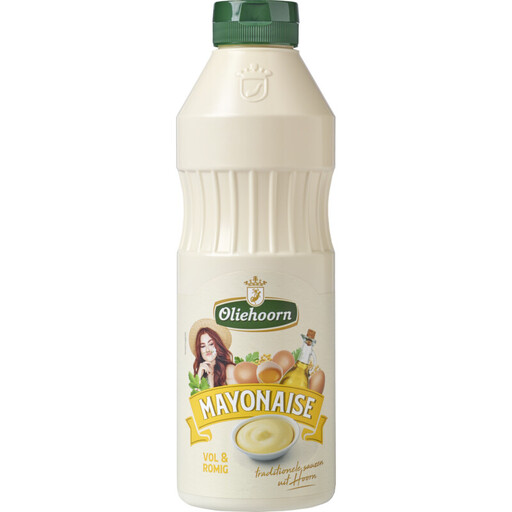
Why it's a match: For those seeking that classic, full, and creamy mayonnaise flavour for their fries or a sandwich. This is a no-nonsense product that delivers on its promise.
This product avoids the trap of a watery sauce. The ingredient list starts with 78% rapeseed oil, which exceeds the legal requirement for mayonnaise and guarantees a rich texture.
According to the manufacturer, Oliehoorn, the flavour is creamy, lightly spiced, and surprisingly fresh. It serves as a versatile base for other sauces and dressings.
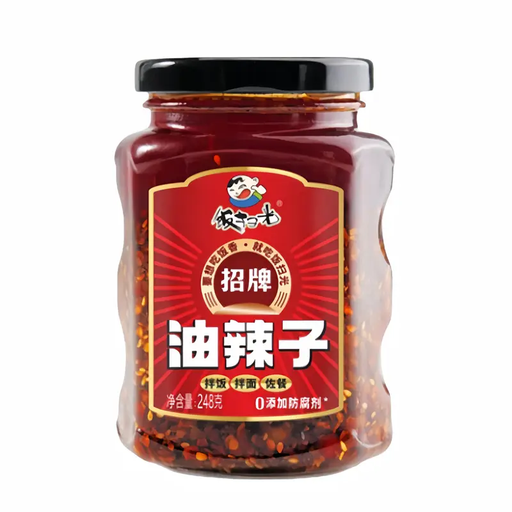
Why it's a match: Ideal for the adventurous home cook looking for an authentic and versatile chilli oil. Perfect for noodles, dumplings, rice, or as a base for a spicy marinade.
This is not a one-dimensional hot sauce. Besides chilli peppers, the ingredient list includes peas, sesame, peanuts, and spices. This creates a complex, aromatic, and savoury flavour, not just heat.
It's a ready-to-use product. You can use it straight from the jar as a dipping sauce or add it to dishes to enrich the flavour, making it very user-friendly.
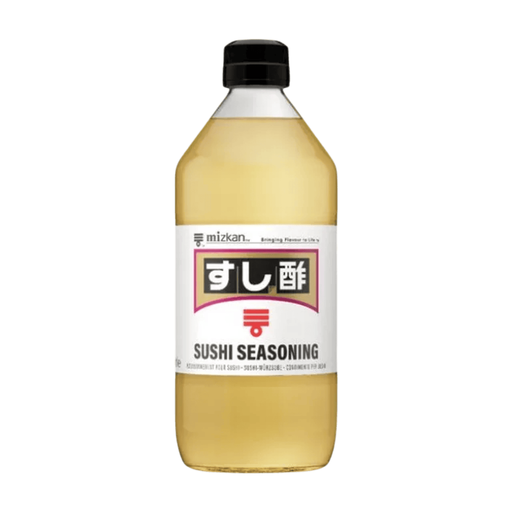
Why it's a match: For anyone who wants to make perfect sushi rice at home without the fuss. Mizkan is a leading Japanese brand, and this seasoning takes the guesswork out of the process.
This product avoids the 'wrong tool for the job' trap. Instead of struggling with the right ratios of vinegar, sugar, and salt, this sushi vinegar offers a perfectly balanced, ready-to-use solution.
Consistency and convenience. Every time you make sushi, you'll get the same authentic, slightly sweet-and-sour flavour characteristic of good sushi rice. Simply mix it with cooked rice.
We have compiled a complete, up-to-date list of products that fully meet these strict selection criteria and Dutch regulations.
The main difference is the fat percentage, which is legally defined in the Netherlands. Mayonnaise must contain at least 70% fat, which provides a rich and creamy texture. Fry sauce has a lower fat percentage, often around 25%, making it lighter and typically a bit sweeter in taste.
Most Asian sauces, especially oil-based ones like chilli oil or those with fermented ingredients, are best stored in the refrigerator after opening. Seal the jar or bottle tightly to maintain freshness. Always consult the storage advice on the packaging for specific instructions.
No, it's important to pay attention to the oil's smoke point. For high-temperature cooking methods like stir-frying, you need an oil with a high smoke point, such as peanut oil, sunflower oil, or a special wok oil. Oils with a low smoke point, like sesame oil, walnut oil, or extra virgin olive oil, are not suitable for high heat and are better used as a flavouring in dressings or for finishing a dish.
