
Vandaag of morgen in huis

Kwaliteit gegarandeerd

Welkomstaanbiedingen ontgrendelen: GRATIS bezorging | Tot 80% korting | Gratis 30 dagen JoyPlus-proefperiode
Download de app
A bottle of sauce might seem like a simple purchase, but the range on offer is vast. Whether you're looking for chilli sauce, hot sauce, sweet chilli sauce, hoisin sauce or pasta sauce, products vary enormously in flavour, ingredients, packaging and use. A cheap bottle can end up sitting unused in the fridge, while a large pack isn't always good value if you only use sauce occasionally.
Labels and product pages often focus on "hot", "extra hot" or "fiery". That doesn't always tell you enough about the flavour profile. A hot sauce can taste mainly sour, salty or sharp, when what you might really be after is garlic, sweetness or a smoky flavour.
Instead, look at the first ingredients and the suggested use. A sauce with vinegar and chilli, for example, works well on pizza, soup and snacks. A thicker sauce with sugar, garlic and soy sauce is better suited as a marinade or dip.
Sauces are often available in sizes from 60 ml to over 800 ml. A large bottle of peanut sauce, oyster sauce or Asian sauces can be handy for a household that cooks regularly, but less practical for occasional use.
Don't just compare the price per bottle, but also:
Soy sauce, wheat, sesame, mustard, egg, milk, peanuts and fish are common ingredients in sauces. A hoisin sauce, teriyaki sauce, oyster sauce or fish sauce can also be relatively high in salt. Always check the actual packaging, especially if you have allergies or dietary requirements. Product information online can change.
The thickness determines how you use a sauce:
A product that can be used "hot or cold" offers more flexibility. Also check whether the packaging has a squeezy bottle, pouring spout or wide opening. That affects how much control you have over the amount you use.
The nutritional information table makes comparison easier. Pay particular attention to:
These values don't tell you which sauce you'll enjoy, but they do help you compare products objectively. Also watch the serving size: one tablespoon contains less than 100 grams, but several spoonfuls per meal soon add up.
Ingredients are listed in descending order by quantity. If sugar or water appears near the top, it makes up a large part of the recipe. Also check the allergen information. For example, Go-Tan Korean Sticky Chicken BBQ Sauce contains gluten-containing cereals, wheat, soya and sesame according to the product information. Amoy Hoisin Sauce lists soya, wheat and sesame, while Maekrua Oyster Sauce contains oyster extract, soya and wheat.
If in doubt, the packaging is the definitive source. Also check the storage instructions and shelf life information after opening.
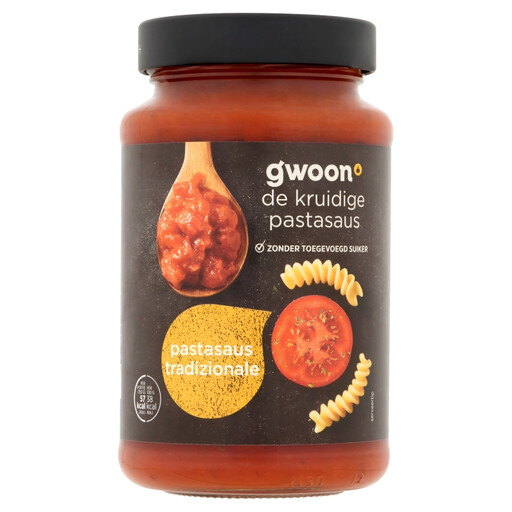
Why this fits the profile: A generous jar for a quick pasta meal, without needing a separate seasoning mix or cooking sauce.
The use is clear: heat and combine with pasta. The product information states 79% tomato and no added sugars.
490 g content; 36 kcal and 0.65 g salt per 100 g according to the stated nutritional values.
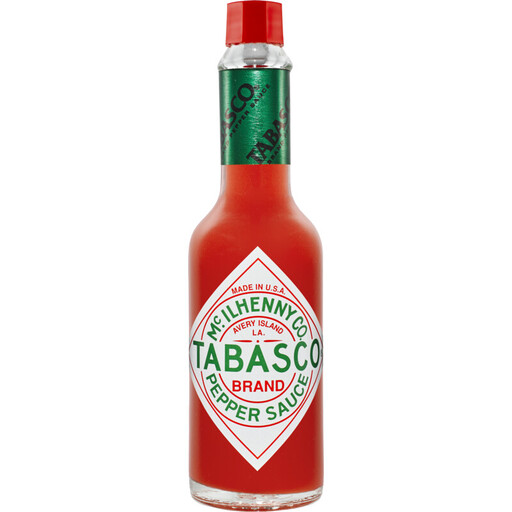
Why this fits the profile: For those who want a compact flavour enhancer with a short ingredients list and controlled dosing.
The product information lists three ingredients: vinegar, red pepper and salt. The small bottle stops you from buying a large quantity straight away.
60 ml; 16 kcal and 0 g sugar per 100 g according to the product data; suitable for drop-by-drop use.
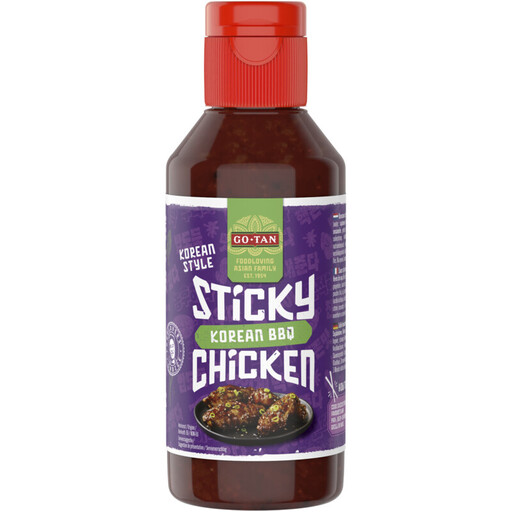
Why this fits the profile: Designed for chicken from the oven, pan or air fryer, and for use as a hot or cold sauce with barbecue dishes.
The product description gives several specific uses. Do check the allergens: the sauce contains wheat, soya and sesame.
220 ml; usable as a marinade, drizzle or table condiment; according to the stated values, 39 g sugar per 100 g.
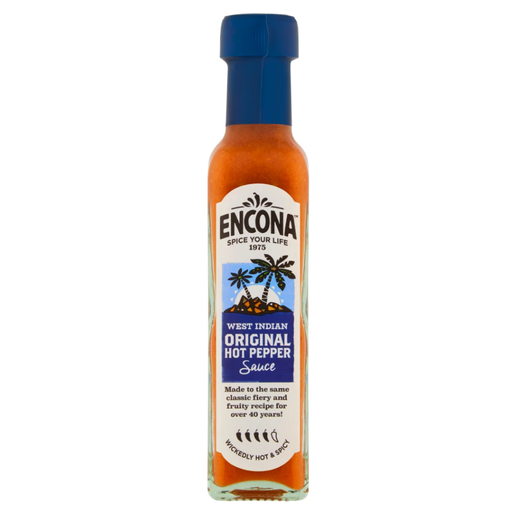
Why this fits the profile: A versatile hot sauce for pizza, marinades, soup, dips and sandwiches.
The smooth, pourable texture makes it easy to control the amount. The ingredients list includes cayenne pepper, vinegar, water, salt and natural flavourings.
142 ml; 21 kcal per 100 g according to the product information; contains none of the 14 major EU allergens according to the stated data.
We've put together a full, up-to-date list of products that fully meet these strict selection criteria and current European safety regulations.
That depends on your meals. Pasta sauce is practical for a quick hot meal. Sweet chilli sauce works as a dip and with chicken or stir-fries. For small amounts of extra kick, a hot sauce in a bottle of around 60 to 150 ml is often enough.
The time varies by product. Store an opened bottle according to the label, seal the packaging well and use a clean spoon or pouring spout. Some products can be kept at room temperature, while others need to go in the fridge after opening. Always check the shelf life information on the packaging.
For chicken and grilled dishes, Korean BBQ sauce, teriyaki sauce and sweet chilli sauce are logical choices. Hoisin sauce works well with Asian marinades and stir-fries. If you mainly want to add heat, choose a hot sauce or chilli sauce and add it separately. That way, everyone at the table can decide their own amount.
