
Vandaag of morgen in huis

Kwaliteit gegarandeerd

Welkomstaanbiedingen ontgrendelen: GRATIS bezorging | Tot 80% korting | Gratis 30 dagen JoyPlus-proefperiode
Download de app
The right knife makes all the difference in the kitchen. Many home cooks and even professionals looking for an upgrade often land on the santoku knife. This Japanese chef's knife is renowned for its versatility. But its popularity has a downside: the market is flooded with knives that look stunning but disappoint in practice. Before you invest, it's crucial to know what to look for.
As a Joybuy Product Recommendation Officer, I see a lot of products come and go. I'm here to help you see through the marketing hype and find a knife that truly performs. Let's look at the most common pitfalls.
damascus steel santoku knife label. Often, this is just a laser etching on standard steel for aesthetic purposes. Real Damascus steel is produced using a complex forging technique involving multiple layers of steel, which contributes to performance but also increases the price. A cheap "Damascus" knife is rarely the real deal.To avoid a bad purchase, it's better to focus on a few objective specifications. These factors determine whether a knife will be a reliable all-purpose kitchen knife or a disappointment.
The type of steel is the single most important factor in the performance of a professional kitchen knife. Marketing terms mean little; the steel code tells the real story.
You can recognise a santoku by its specific shape: a relatively straight cutting edge and a rounded "sheepsfoot" tip. This design is ideal for chopping and slicing motions, making it a perfect kitchen knife for vegetables, fish and boneless meat. A typical length is 17–18 cm. The dimples (grantons) you often see are intended to prevent food from sticking to the blade, although their effectiveness depends on the design.
Pay close attention to the balance. Pick up the knife at the transition from the handle to the blade (the bolster). A well-balanced knife feels like an extension of your hand, giving you maximum control.
Below are a few choices that suit different user profiles, based on their specifications.
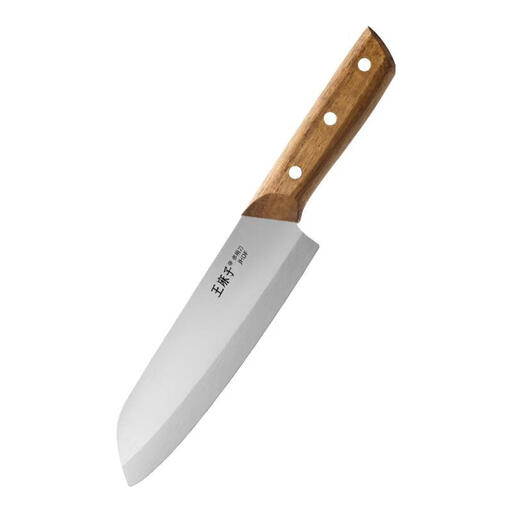
Why This Fits Their Persona: Ideal for the home cook seeking a reliable and functional knife for daily cutting tasks without paying a premium. Its classic design fits into any kitchen.
The acacia wood handle provides a warm, natural, and ergonomic grip, avoiding the pitfall of an uncomfortable, cheap plastic handle.
The 400-series stainless steel blade is low-maintenance and highly rust-resistant. A solid, no-nonsense choice for home use.
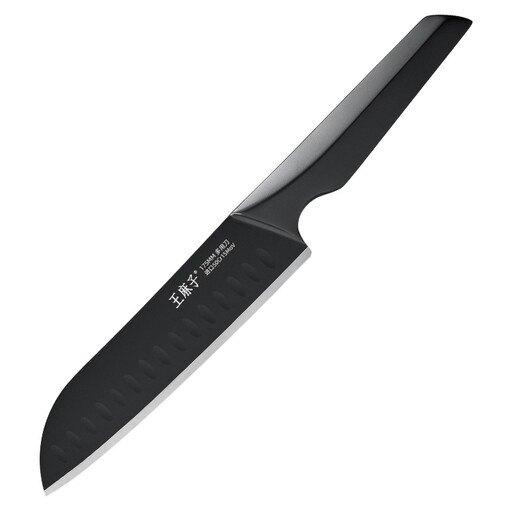
Why This Fits Their Persona: For the cook who is in the kitchen daily and needs a knife that holds its edge for a long time and is built to last. A step up in performance for more intensive use.
This knife bypasses the pitfall of dulling quickly. The 50Cr15MoV steel is known for its excellent edge retention, meaning you'll need to sharpen it less often.
The combination of durable German steel and a hygienic, seamless stainless steel handle makes this a robust and reliable workhorse.
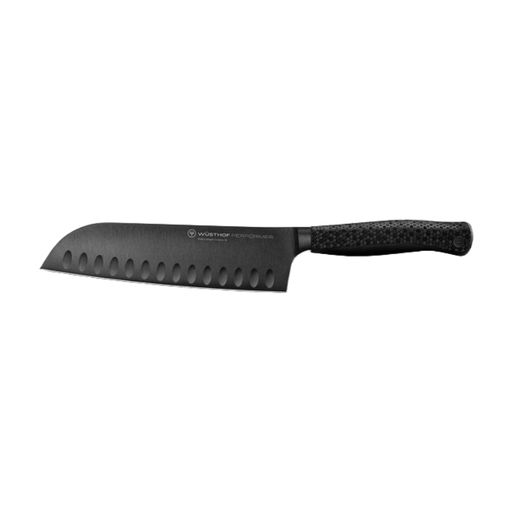
Why This Fits Their Persona: For those who appreciate craftsmanship and are willing to invest in a top-tier instrument. This knife combines high-quality materials with a design focused on performance and comfort.
This is an authentic damascus steel santoku knife from a renowned brand. The pattern is a result of the forging process, not a superficial etching just for show.
The Damascus steel construction provides an exceptionally sharp and durable blade. The ergonomic handle is designed for comfort during prolonged use.
We have compiled a complete, up-to-date list of products that fully meet these strict selection criteria and local regulations.
The main difference lies in the blade shape. A European chef's knife has a more curved cutting edge, which is ideal for a "rocking" cutting technique. A santoku knife has a straighter blade, making it more suitable for a direct, downward chopping motion. This is why it's often considered an excellent knife for finely slicing vegetables.
No, a quality knife should never go in the dishwasher. The harsh detergents, high temperatures and contact with other dishes can damage the blade and handle. The recommended method is simple: wash the knife by hand with warm water and a little soap immediately after use, dry it right away, and store it safely in a knife block or on a magnetic strip.
The dimples, also known as grantons, create small air pockets between the blade and the food you're cutting. According to manufacturers, this helps prevent sticky ingredients, like potatoes or cucumber, from clinging to the knife. This can make slicing smoother and faster.
