
Vandaag of morgen in huis

Kwaliteit gegarandeerd

Welkomstaanbiedingen ontgrendelen: GRATIS bezorging | Tot 80% korting | Gratis 30 dagen JoyPlus-proefperiode
Download de app
Sanitary pads might seem simple to choose, but the difference between a comfortable day and a leak often comes down to the details. A regular sanitary pad can be sufficient for light periods, whereas during the night or with a heavy flow, you need more length, width and absorbency.
Marketing claims can also be confusing. Terms like “extra protection”, “fresh feeling” or “gentle on the skin” only mean something when you look at the actual product specifications. With this buying guide, you can compare sanitary pads by size, wings, material, scent and when you plan to use them.
Higher absorbency doesn’t automatically mean the pad will fit your body well. A product may absorb enough fluid, but still shift if the fit isn’t right. So always check the length, the shape at the front and back, and whether it has wings.
Night-time pads are usually longer or wider at the back. That’s practical when you move around a lot in your sleep. A thin regular pad is often more comfortable during the day, but may not offer enough coverage when you’re lying down for longer periods.
Scented pads aren’t pleasant for everyone. If you’re sensitive to fragrances, it’s better to choose unscented sanitary pads and check the ingredients and packaging. “Dermatologically tested” is a product claim, not a guarantee that every skin will react the same way. If irritation occurs, stop using the product and follow the instructions on the packaging.
Look out for the labels regular, maxi or night. A regular sanitary pad is suitable for most everyday situations. Maxi pads are longer or thicker and can be a good choice for a heavier period or when you want extra coverage.
Also consider:
Brands use different names for their absorbency technology. According to the product description from Libresse, the SecureFit models provide protection through a close fit, leak-proof edges and a fast-absorbing core. This is a claim made by the brand itself; always check that the version, size and packaging match.
With Always, the product information mentions LeakGuard and InstantDry systems, among others. These are also brand-specific terms. Pay particular attention to the intended use: daytime, night-time, light flow or heavy flow. Change your pad regularly and do not wear it for longer than the packaging recommends.
For sensitive skin, you can look for:
A cotton top layer doesn’t automatically make the product suitable for everyone. Fit, absorbent core and adhesive layer remain just as important.
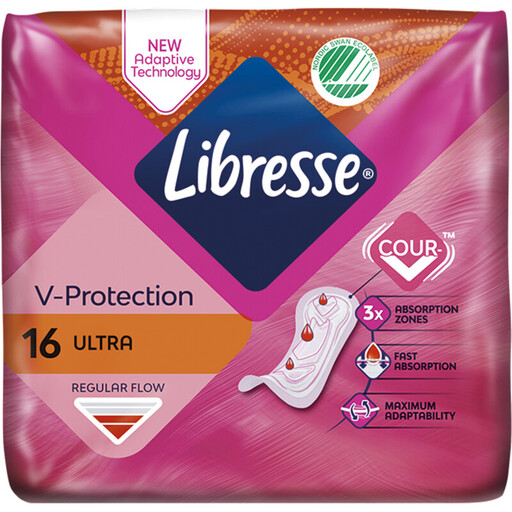
Why this fits the profile: A regular variant is straightforward for anyone comparing different types of sanitary pads for the first time and mainly needs daytime protection.
The product description mentions a contoured front and back and an unscented version. This means you don’t have to go straight for a scented or extra-thick model.
Regular size, unscented and featuring the SecureFit design described by Libresse.
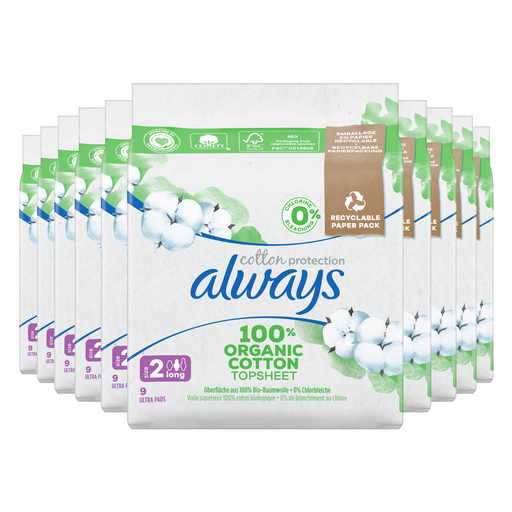
Why this fits the profile: This model is designed for those who place more importance on material, scent and skin contact when making a purchase.
The product information states a top layer of 100% organic cotton and no perfume, dyes or chlorine bleach. Check the current packaging for the exact version.
Wings, unscented positioning and a cotton top layer according to the product description.
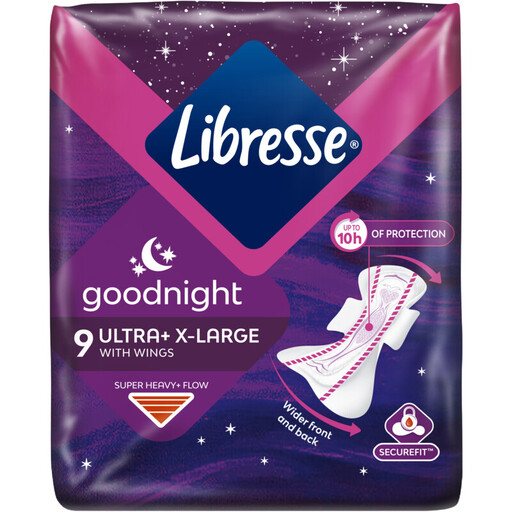
Why this fits the profile: The extra-long version with wings is designed for night-time use and situations where more coverage is needed.
The product description mentions a wider front and back, anti-leak edges and wings. This means the focus isn’t just on absorbency, but also on coverage and fit.
X-large night size, wings and unscented version; according to Libresse, this variant offers up to 10 hours of protection.
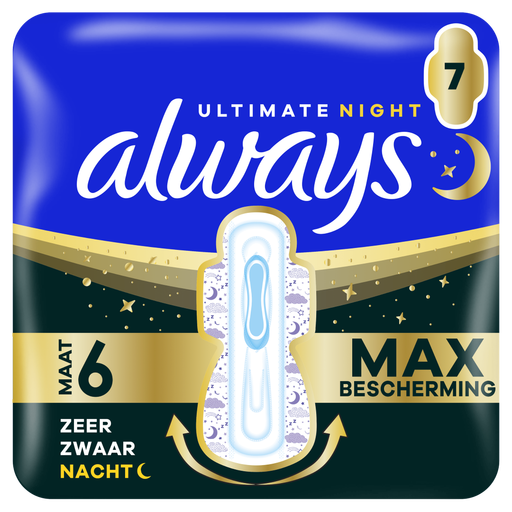
Why this fits the profile: The longest and widest version in this selection is designed for users who need plenty of coverage during the night.
The product specifications mention an extra-long and wide shape, LeakGuard, InstantDry and extra wings at the back. This addresses both leakage and shifting.
Size 6, night design, wings and an absorbent core featuring InstantDry technology as described by Always.
We’ve put together a full, up-to-date list of products that fully meet these strict selection criteria and comply with current European safety regulations.
Change your pad regularly, and sooner if it feels saturated. How long you can wear it varies depending on your period, the product and the amount of blood loss. Always follow the instructions on the packaging. Use a fresh pad after sleeping and dispose of used pads in the bin, not the toilet.
Choose a variant with a larger size, wider back and wings. Sanitary pads for heavy periods or a night-time version can offer more coverage, but also check how well the pad stays in place in your underwear. If you experience very heavy or unusual bleeding, it’s wise to seek medical advice.
Not necessarily. Sanitary pads with wings can help keep the pad in place, especially when you’re moving around or sleeping. With tight or small underwear, wings may be less comfortable. So choose based on your fit, when you’ll be using it and the width of the gusset in your underwear.
