
Vandaag of morgen in huis

Kwaliteit gegarandeerd

Welkomstaanbiedingen ontgrendelen: GRATIS bezorging | Tot 80% korting | Gratis 30 dagen JoyPlus-proefperiode
Download de app
Samyang Buldak cheese ramen combines chewy instant noodles, a spicy chicken-style sauce and a creamy cheese flavour. That’s what makes these Korean instant noodles so popular with fans of boldly seasoned meals. However, not every pack is suited to the same situation. A cup for the office is clearly different from a multipack for home.
So when you’re buying, don’t just focus on the eye-catching packaging or terms like “fire chicken”. The portion size, preparation method, allergens and shelf life all determine whether a product really fits how you’ll use it.
Samyang Buldak noodles are available as packets, cups and value packs. A cup, such as the Samyang Buldak Quattro Cheese Ramen Cup 80g, is handy when you have limited kitchen equipment. A packet usually requires cooking and draining. A box of 40 packs is appealing for heavy users, but less practical if you want to try the flavour first.
Always check:
Cheese ramen isn’t automatically mild. With Buldak hot chicken noodles, the spicy sauce remains a key part of the flavour. Cheese powder or a cheese sauce can create a creamier profile, but it doesn’t necessarily remove the heat. If you’re not used to spicy Korean noodles, start with half the sauce and adjust later.
The product pages list different ingredients and nutritional values. For example, the packaging of the Samyang Buldak Quattro Cheese Ramen, 5 x 145g mentions wheat, soya, milk and celery as allergens. Other variants list wheat, soya and sesame. Always check the current packaging if you have a food allergy or intolerance. Product labels can change and are the definitive source.
Also pay attention to the best-before date. According to the product information, some variants have a shorter remaining shelf life. So don’t buy a large Samyang ramen pack without checking the date and storage details.
A standard packet of 140 or 145g is intended as a full meal portion for one person. A cup of 70 to 80g is more compact and suitable as a smaller meal or snack. For students, families or fans who eat ramen regularly, a multipack can be better value per portion. Compare the price based on price per 100g or per portion, not just the total price.
Packet versions are usually prepared in a pan. With the Samyang Buldak Cheese Hot Chicken Ramen, the instructions say to cook the noodles first and then mix the seasoning with the cooked noodles. The correct order is important for the texture and flavour.
A cup is simpler: add hot water and follow the instructions on the packaging. Do check whether the cup is suitable for the microwave; don’t assume it is. For a student room, office or travel, a cup is often more practical than a pan version.
Korean ramen often contains wheat, soya and sesame. Cheese variants may also contain milk ingredients. The nutritional values differ by recipe and size. In the product information for various Samyang cheese ramen, values range from around 392 to 430 kcal per portion, but always check the actual table on the packaging.
The salt content also deserves attention. Some product listings show several grams of salt per 100g. That doesn’t mean you should avoid the product, but it does mean you can consciously pair the meal with, for example, vegetables, egg or tofu without adding extra salty ingredients.
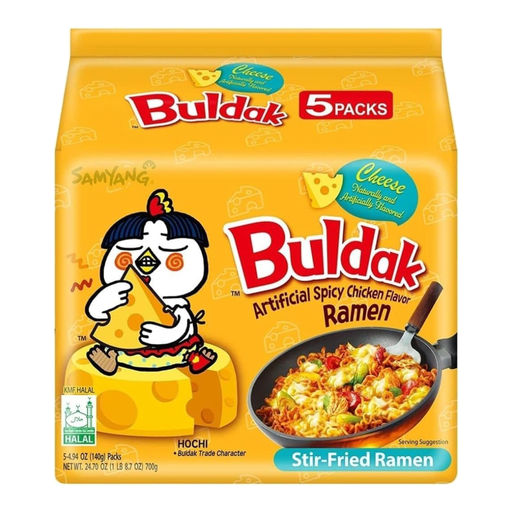
Why this fits the profile: Five portions offer a manageable way to try Samyang spicy ramen at home without buying a large carton straight away.
The number of portions and the weight per pack are clearly stated. This makes the total purchase easier to compare with individual packets or cups.
Pack of 5, portions of 140g and a clear cheese hot chicken variant. Contains gluten, soya and sesame according to the product information.
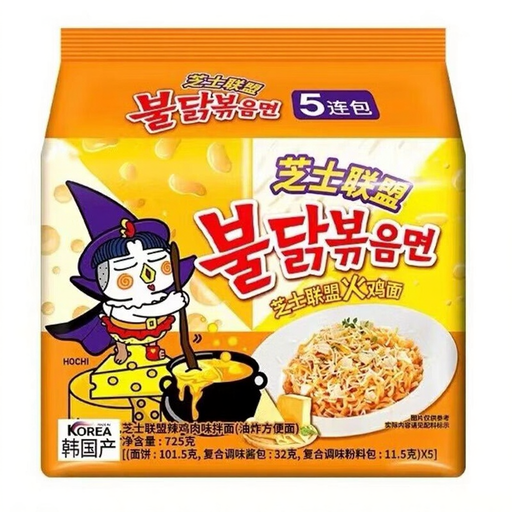
Why this fits the profile: This variant is aimed at shoppers who want a pronounced cheese profile alongside the heat, and who like to compare ingredients beforehand.
The product information separately lists noodles, sauce and cheese powder. Milk, soya, gluten and celery are also listed as allergens.
Five packets of 145g and a quattro cheese blend. The stated nutritional value is approximately 407 kcal per 100g; check the label on arrival.
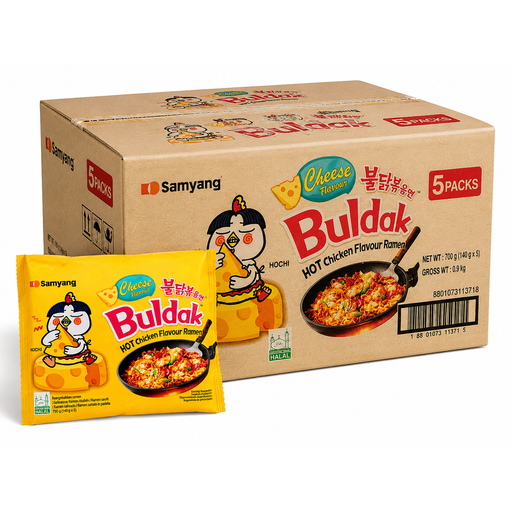
Why this fits the profile: A carton of 40 portions suits households, student houses and fans who regularly prepare Korean instant noodles.
The large format makes the price per portion clear. Before buying, do check the best-before date and whether you have enough dry storage space.
40 packets of 140g, with a cooking time of a few minutes according to the product description. The listed allergens are wheat, soya and sesame.
Store unopened packs in a cool, dry place away from direct sunlight. Do not use any product with damaged packaging. Always check the current preparation method, ingredients list and best-before date with each purchase.
We’ve put together a full, up-to-date list of products that fully meet these strict selection criteria and comply with current European safety regulations.
The cheese variant contains the characteristic spicy chicken-style sauce alongside the cheese. How hot it tastes varies from person to person and from recipe to recipe. Start by using part of the sauce sachet, or add extra noodles and vegetables to make the flavour less intense.
The best-before date is on the packaging. Store the packets unopened in a cool, dry place, away from heat and moisture. With a large Samyang ramen pack, it’s wise to check the date before buying and again on arrival.
A cup is designed for quick preparation with hot water and requires little kitchen equipment. A packet version is usually cooked in a pan and then mixed with the sauce. If you’re preparing several portions at home, packets are often the choice; for the office or on the go, a cup can be more practical.
