
Vandaag of morgen in huis

Kwaliteit gegarandeerd

Welkomstaanbiedingen ontgrendelen: GRATIS bezorging | Tot 80% korting | Gratis 30 dagen JoyPlus-proefperiode
Download de app
Fancy some Samyang Buldak Carbonara, but not sure which pack is right for you? The choice goes beyond just the flavour. There are single sachets, multipacks and cup versions, each with different weights and preparation methods. Nutritional values, allergens and shelf life can also vary from product to product.
If you only go by the picture or an attractive offer, you could end up buying a pack that doesn't suit how you'll use it. Below, we explain what to look for when choosing Samyang Carbonara ramen and other spicy Korean noodles.
Carbonara powder containing milk and cheese ingredients can make the sauce taste creamier, but the Buldak base remains spicy. Product information lists chilli, red pepper, garlic and spices among the ingredients. So the creamy flavour doesn't automatically tone down the heat.
If you're not used to eating spicy food, it's best to start with a smaller portion or use only part of the sauce. Adding extra milk, cheese or an egg can round out the flavour, but this changes the original nutritional values and preparation method.
A pack of five, ten or even forty sachets might seem convenient if you eat ramen often. However, a large quantity is only practical if you already know you like the flavour and have enough storage space. Always check:
For a first try, a single 130g pack is often more straightforward. For students, households with multiple ramen lovers, or frequent users, a Samyang ramen multipack might make more sense.
With a sachet, you usually cook the noodles in a pan and drain off most of the water. A cup is designed for preparation with hot water, making it handy for the office, a student room, or on the go. However, the contents can be smaller than a standard sachet.
Also pay attention to the instructions on the label. Preparation time, the amount of water, and how the sauce and powder are added can vary between products.
The common standard pack contains 130 grams. There are also smaller cups and bowls, such as 80 grams, and larger cups of 105 grams. A smaller portion can be suitable as a snack or light meal. If you're expecting a full meal, it's a good idea to check the net weight and nutritional values per portion.
For stocking up, five-packs and ten-packs are available. A bulk pack can lower the price per portion, but first check your storage space and the best-before date.
According to the available product information, Samyang Buldak Carbonara (130g) contains approximately 423 kcal, 15.4g fat, 64.6g carbohydrates and 2.6g salt per 100 grams. Other variants may differ, so always check the actual pack.
The salt content is particularly relevant if you eat multiple portions in one day or add ingredients like cheese, bacon or soy sauce. The nutritional values are not personal dietary advice, but they do help you compare products objectively.
Many Samyang Carbonara products contain gluten, wheat, soya and milk. Some product listings also mention celery. The ingredients list and allergen information on the pack are definitive, as recipes and labelling can change.
If you have an allergy or intolerance, always check the physical label before consuming. Also look out for cross-contamination information. The terms "carbonara" and "creamy" don't in themselves indicate the presence of milk, egg or other allergens.
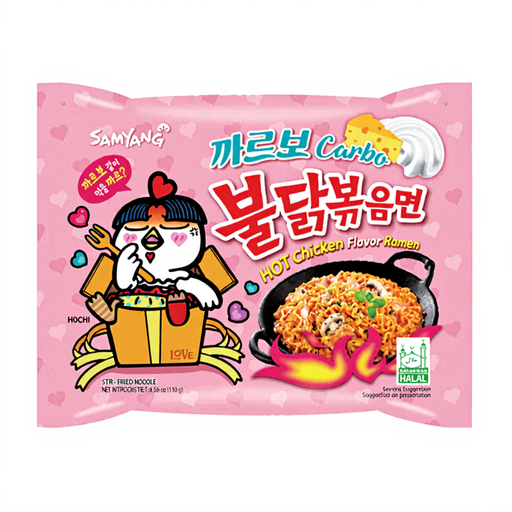
Why this fits the profile: A single pack is practical for trying the combination of spicy chicken seasoning and carbonara flavour before committing to a multipack.
You're not immediately tied to a large stock. The net weight, ingredients and nutritional values are clearly stated in the product information.
130 grams per pack; contains milk, gluten and soya according to product information; suitable as a meal or snack.
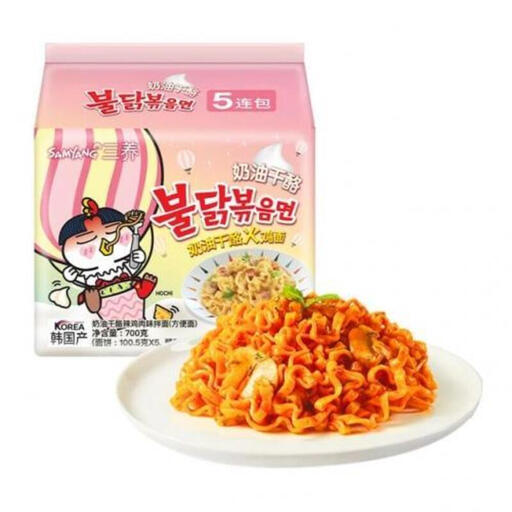
Why this fits the profile: This set contains five 140g packs and suits anyone who wants a regular supply without ordering a very large box straight away.
The pack states a clear portion size and preparation instructions, so you can compare the contents more easily with standard 130g packs.
Five 140g sachets; product information mentions halal certification; preparation time according to the listing is just a few minutes.

Why this fits the profile: Ten 130g sachets are handy for households, student houses and fans who regularly cook spicy carbonara noodles.
The fixed amount per sachet prevents confusion over individual portions. Do check the best-before date before storing a bulk pack.
Ten individual 130g portions; contains gluten, soya and milk according to product information; suitable for pan preparation.
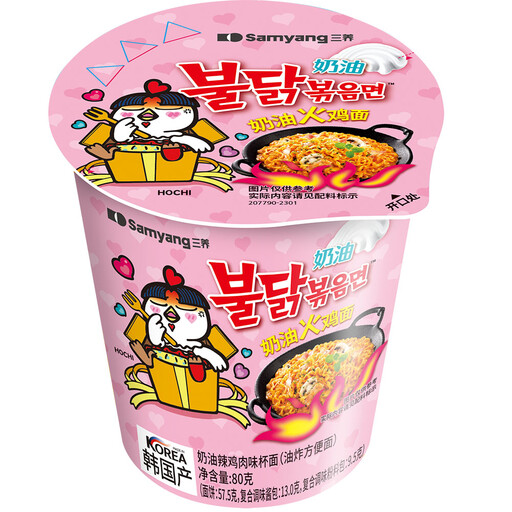
Why this fits the profile: The cup format is ideal for a quick lunch, late-night snack or a meal in places where you don't have access to a pan.
The size makes the difference from sachet variants clear: 80 grams and preparation with hot water. This way, you won't buy a pan variant for on-the-go use.
Handy 80g cup; product information lists milk, wheat and soya as allergens; suitable for quick preparation.
We've put together a full, up-to-date list of products that fully meet these strict selection criteria and comply with current European safety regulations.
Always follow the instructions on the pack. With sachet variants, you typically boil the noodles in water, then drain off most of the water and stir in the sauce and powder. With cup noodles, you usually add hot water and leave the contents to stand for a few minutes.
Store unopened instant noodles in a cool, dry place, away from direct sunlight and moisture. Do not use a pack if it is damaged. The exact best-before information and current ingredients list are on the physical label.
According to the product information, the flavour contains red pepper, chilli and Buldak seasoning. The carbonara powder with milk or cheese ingredients adds a creamy element, but doesn't automatically make the product mild. If in doubt, use less sauce first or choose a smaller pack.
This varies by variant. Sachets are usually boiled briefly and then mixed with the sauce and powder. Cup variants are generally prepared with hot water. Use the instructions on the pack for the correct amount of water and preparation time.
Check the best-before date on the pack and store the product dry, cool and unopened. Once opened, it's best to prepare the noodles straight away. The date and instructions on the physical label are definitive.
