
Vandaag of morgen in huis

Kwaliteit gegarandeerd

Welkomstaanbiedingen ontgrendelen: GRATIS bezorging | Tot 80% korting | Gratis 30 dagen JoyPlus-proefperiode
Download de app
Creamy carbonara with a spicy Korean kick: Samyang Buldak Carbonara is a firm favourite among K-food lovers, fans of quick meals and hearty instant noodles. However, not all packs are the same. A 130g sachet requires a different preparation method to a carbonara ramen cup, and a multipack isn't automatically better value if you don't consider the shelf life or how often you'll eat it.
When buying, watch out for these three common pitfalls:
Misjudging the heat level
The creamy flavour can soften the first impression, but the chilli sauce remains a clear part of the Buldak experience. If you usually eat mild instant noodles, it's best to start with a smaller pack or use less sauce.
Confusing a cup with a sachet pack
A cup is handy in the office, when travelling or in a student room without a hob. The sachet version is usually prepared in a pan and requires draining and mixing. Always check the cooking instructions.
Only looking at the price per pack
A box of 20 or 40 packs may look appealing, but compare the price per serving. Also check the net weight, the best-before date and whether you have enough storage space.
The standard Buldak Carbonara noodles weigh 130g per sachet. That's generally a generous portion for a quick lunch, evening meal or savoury snack. Cups often contain 80g, while a larger cup may hold 105g. A smaller cup is easier to carry but offers fewer noodles per serving.
Choose an instant noodles multipack if you eat the product regularly. For occasional use, a five-pack or ten-pack is more manageable. If you often serve Korean noodles to housemates or friends, consider a larger box.
According to the product information for the 130g variant, you cook the noodles for around five minutes in 550ml of water. Then drain most of the water, leaving roughly 120ml behind. Next, add the sauce and seasoning powder, and stir-fry for about 30 seconds over a low heat.
This method is important for the texture of spicy carbonara ramen. Too much water makes the sauce thin; too little water can make mixing difficult. A cup is simpler: add hot water and follow the instructions on the pack. The exact preparation may vary between variants, so always check the label.
The product listings from Samyang mention wheat, soya and milk components such as milk powder, mozzarella and butter powder. Some variants also list celery and sesame, or possible cross-contamination with other allergens. Always check the current packaging, especially if you have an allergy or intolerance.
As a guide, the product information for the 130g ramen variant states per 100g approximately 423 kcal, 15.4g fat, 64.6g carbohydrates, 6.2g protein and 2.6g salt. These values are per 100g and not necessarily per fully prepared dish. The nutritional information may differ between versions or market packs.
The creamy flavour is based on the ingredients list and product description. According to the product information, the spicy taste is combined with carbonara-style seasonings and dairy components. That doesn't mean every variant tastes identical. Look out for the words "cup", "big cup", "ramen" and the stated net weight.
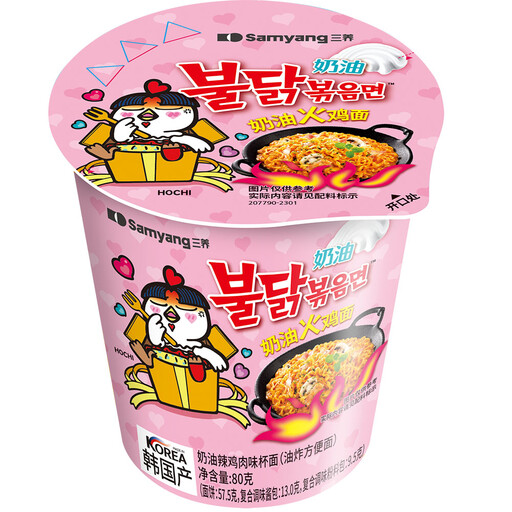
Why this fits the profile: The 80g cup is practical if you want to try Samyang Carbonara ramen for the first time without buying a large stock straight away.
The smaller cup stops you from buying a large multipack straight away. The portion size and preparation method are clearly stated on the product.
80g; portable cup; carbonara powder and spicy sauce in one pack.
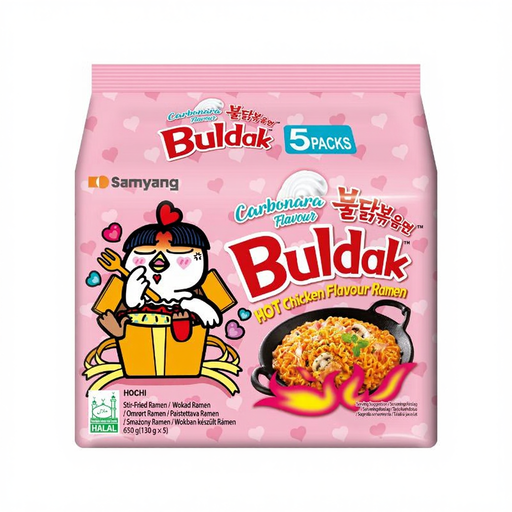
Why this fits the profile: This pack combines five 130g portions with the classic pan preparation, ideal for enthusiasts who care about noodle texture and sauce distribution.
The contents aren't one large bag, but five individual portions. This means you can open the stock one meal at a time.
5 × 130g; hearty noodles according to the product description; sauce and seasoning components for carbonara flavour.
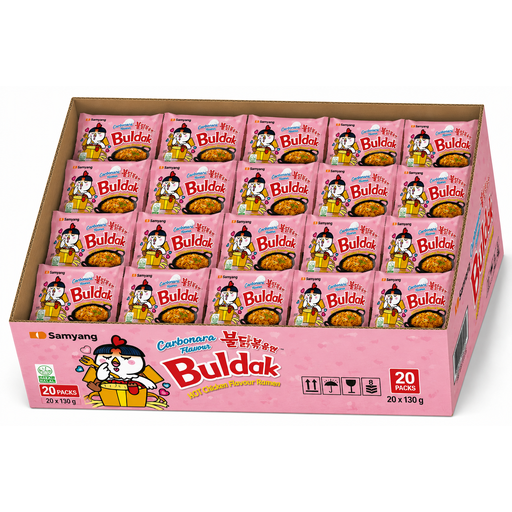
Why this fits the profile: The box of 20 packs is aimed at households, student houses and fans who regularly eat spicy Korean ramen.
The pack size is clear from the start: 20 individual 130g sachets. This helps you better estimate the price per serving and your stock requirements.
20 × 130g; suitable for stocking up; information on wheat, soya, milk and celery is provided.
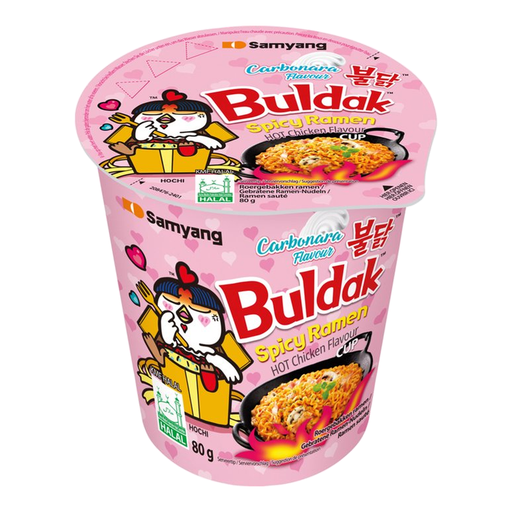
Why this fits the profile: The cup is designed for moments when you can quickly get hot water but don't have a pan, colander or hob to hand.
The cup format prevents confusion about draining. However, do check the instructions on the pack for the correct amount of hot water and waiting time.
80g; compact packaging; combination of spicy sauce and carbonara powder.
We've put together a full, up-to-date list of products that fully meet these strict selection criteria and comply with current European safety regulations.
Cook the sachet variant according to the instructions on the label. For the 130g variant, this typically means boiling for around five minutes, draining most of the water, and mixing the sauce and seasoning powder through the noodles. A cup is usually prepared with hot water. Always follow the current packaging.
The product descriptions mention a combination of spicy chicken or chilli flavour with creamy carbonara. The carbonara taste makes the profile creamier, but it doesn't completely remove the heat. If you're unsure, try using part of the sauce sachet first and add more later.
The best-before date is on the packaging. According to the product information, store the noodles in a cool, dry place away from direct sunlight, heat and moisture. Do not use any pack that is damaged, and re-check the ingredients and allergens before consumption.
