
Vandaag of morgen in huis

Kwaliteit gegarandeerd

Welkomstaanbiedingen ontgrendelen: GRATIS bezorging | Tot 80% korting | Gratis 30 dagen JoyPlus-proefperiode
Download de app
A jar of sambal and chilli sauce may seem simple to choose, but there can be significant differences between products. One variety may be mainly sour and salty, while another contains oil, sugar, garlic or fermented ingredients. Terms such as hot, extra spicy and authentic also do not always tell you how much heat you will actually get.
For home cooks in the Netherlands, there are three common purchasing pitfalls:
First, look at the quantitative ingredient declaration. Does it state, for example, 75%, 92% or 50% chilli? This gives you a verifiable idea of the product’s base, although the percentage does not tell you everything about its heat.
Also pay attention to the texture:
A higher chilli content does not automatically make a product hotter. The type of pepper, fermentation, acidity, sugar and salt also affect how the flavour is experienced.
Check the label before ordering. Some hot condiments contain soya, sesame, peanuts, gluten or sulphites. According to the product information, Hein Extra Spicy Flavor contains sesame, peanuts and soya, among other ingredients. Conimex Ajam Paniki lists crustaceans, gluten and soya, among others.
The salt content also deserves attention. TanTan Xiang Premium Chopped Chili contains 10 grams of salt per 100 grams; Tan Tan Xiang’s Chinese chilli sauce with green chilli contains 12.5 grams per 100 grams. It is therefore best to use such products as a condiment rather than as a large serving.
Brands’ claims about preparation methods or flavour come from their own product descriptions. For example, TanTan Xiang describes certain products as traditionally fermented and Hunan-style. This is a brand or product description, not an independent quality guarantee.
A product for everyday use should be easy to portion. A jar of chopped chilli works well as a topping, while chilli sauce in a squeezy bottle may be more convenient for dips and marinades. Also check whether the product needs to be refrigerated after opening.
Several varieties in this range state that the packaging should be refrigerated after opening and that the product should be used within a suitable period. Always follow the instructions on the packaging, as shelf life may vary from one product to another.
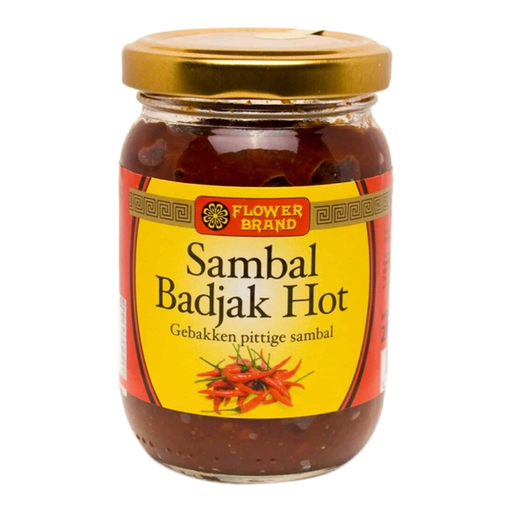
Why it suits this profile: This fried sambal is ready to use with rice, noodles, meat or in a sandwich. The 200-gram jar is a manageable choice for anyone buying sambal for the first time.
The ingredients list includes ground red pepper, onion, garlic, lemongrass and galangal, among others. This makes it clear from the outset that it is not a pure chilli paste, but a spiced, fried sambal.
Ready to use; according to the product information, contains no E621 and has 3.5 grams of salt per 100 grams.
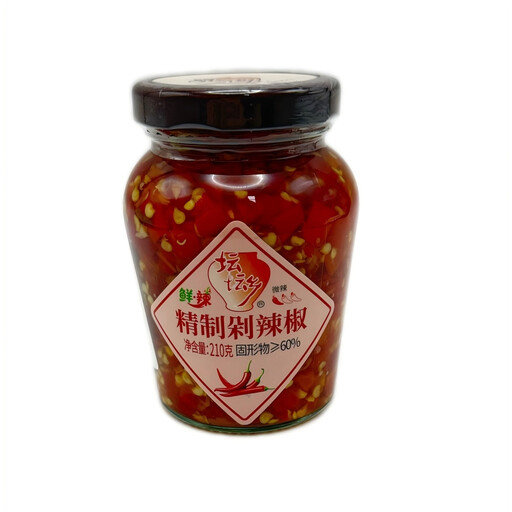
Why it suits this profile: The chopped texture and stated chilli content of 75% make it a good choice for anyone looking for a distinctive Chinese condiment for rice, noodles and stir-fries.
The product information specifically states 75% fresh chilli and lists soya as an allergen. This means you can assess the composition more accurately than you could from the name alone.
210 grams; ready to use; suitable as a side dish, topping or ingredient; refrigerate after opening.
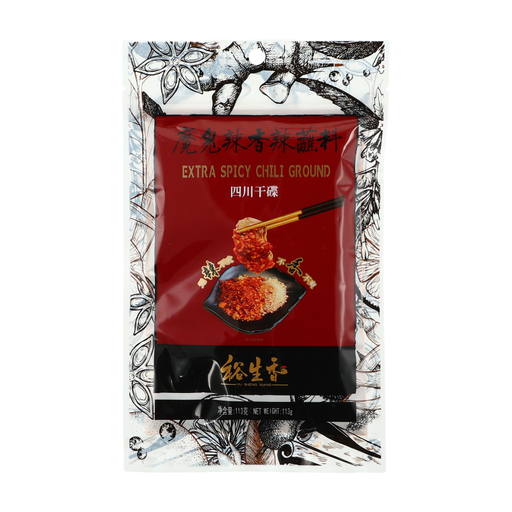
Why it suits this profile: According to the product description, this concentrated condiment is intended for dips, hotpot, barbecue, noodles and marinades.
The ingredients and allergens are clearly listed: 55% chilli, plus sesame, peanuts and soya. Check this list before serving the product to guests.
Ready to serve; 113 grams; contains oil and spices; suitable both as a dip and a cooking ingredient.
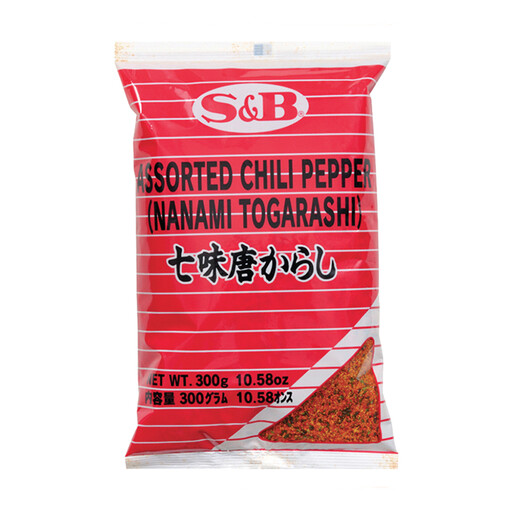
Why it suits this profile: This dry Japanese chilli seasoning mix is practical for rice, ramen, soups and grilled dishes, without having to open another jar of sauce.
The composition is clearly stated: 79.31% chilli, combined with black and white sesame, seaweed, ginger, Japanese pepper and yuzu. It is therefore not pure chilli powder.
Dry 300-gram product; easy to portion; contains sesame, which is clearly listed as an allergen.
We have put together a complete, up-to-date list of products that fully meet these strict selection criteria and the applicable European safety regulations.
For a Surinamese sambal, look for a variety with a high proportion of fresh pepper, such as Lekker Bekkie Suriname Grinded Chili with 92% Surinamese peppers. Flower Sambal Jeanette lists 92% Madam Jeanette and is suitable for anyone looking for a specific type of pepper.
If you mainly want to use Chinese chilli sauce, choose a variety containing Sichuan pepper, garlic or fermented beans. These ingredients create a different flavour profile rather than simply adding heat. For tacos, barbecue and meat, a dry chilli seasoning mix or chipotle rub is more practical. With Cape Herb & Spice Chipotle Chilli Rub, be sure to check the stated possible traces of gluten, mustard, soya and sesame, among others.
Sambal is generally thicker and is made from ground or chopped chillies, often with salt, acidity, garlic, onion or oil. Chilli sauce is usually more liquid and may contain sugar, vinegar or thickeners. The exact composition varies by brand and style.
Follow the instructions on the label. Many jars need to be refrigerated after opening and used within a specified period. Seal the packaging properly and use clean cutlery to help prevent contamination.
Chopped chilli, Chinese chilli sauce and sambal are often practical choices for rice and noodles. Choose an oil-based or fermented variety for a fuller flavour profile, or a dry chilli seasoning mix when you mainly want to sprinkle it on and control the quantity yourself. Always check the ingredients, allergens and salt content before buying sambal.
