
Vandaag of morgen in huis

Kwaliteit gegarandeerd

Welkomstaanbiedingen ontgrendelen: GRATIS bezorging | Tot 80% korting | Gratis 30 dagen JoyPlus-proefperiode
Download de app
For many, a jar of sambal in the fridge is as essential as a jar of mustard. But the shelves are packed and the choices can be overwhelming. From a simple sambal oelek to a complex boemboe, it's easy to grab the wrong jar and give your dish an unintended twist. As a Joybuy Product Recommendation Officer, I'll help you cut through the marketing jargon and find the right flavour enhancer for your kitchen.
Before you make a choice, it's wise to understand a few common pitfalls that can cost you money and flavour.
To avoid these pitfalls, you can focus on a few concrete specifications. This will help you make an informed choice that suits what you plan to cook.
The base of the sauce determines its primary use.
A quick glance at the ingredients list tells you a lot.
Not everyone is looking for the same thing in a chili sauce. Below are a few suggestions tailored to different preferences and uses.
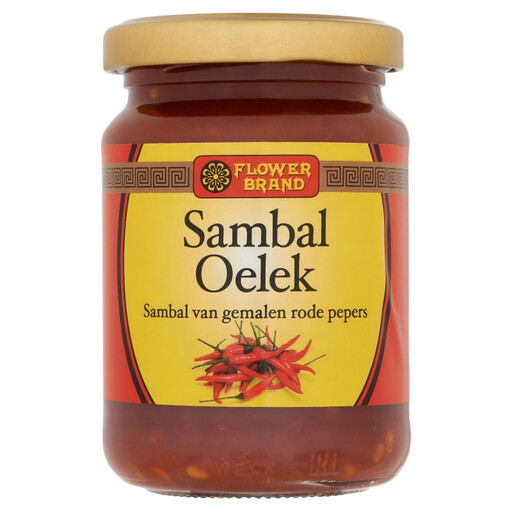
Why This Fits Their Persona: This user wants to add pure, unadulterated heat without significantly altering the dish's flavour. Ideal for the cook who wants to maintain full control over the flavour balance and needs a reliable base for soups, sauces, and marinades.
This isn't a vague "hot sauce." The ingredients list is short, and at 87.7%, the chilli content is very high. You get exactly what you expect: a pure chilli paste.
Very high chilli percentage (87.7%) for intense heat. Versatile as a base ingredient in the kitchen.
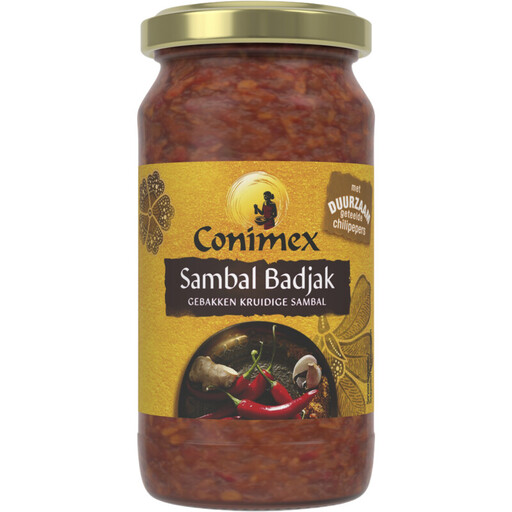
Why This Fits Their Persona: This person is looking for a tabletop condiment or something to enhance a dish like nasi or bami. The deep, savoury flavour of fried onion and garlic is more important than pure heat. This is a classic condiment in Indonesian cuisine.
This product avoids the "one-size-fits-all" myth. It is clearly a sambal badjak, with a mildly spicy and aromatic profile from the fried onions. It doesn't pretend to be a simple oelek.
Rich, fried flavour from the addition of onion and garlic. A popular and approachable choice for a wide variety of dishes.
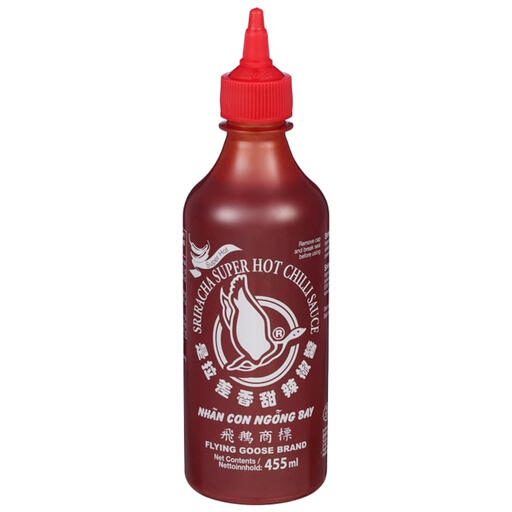
Why This Fits Their Persona: For those who love the iconic garlic-chilli flavour of sriracha. This sauce is extremely versatile: as a dipping sauce for spring rolls, on a sandwich, in a stir-fry, or even in a soup. The convenient squeeze bottle makes portioning easy.
This sauce sidesteps vague heat claims. With 70% chili, the "Extra Hot" claim is substantiated. It is clearly a sriracha, a specific type of Thai chilli sauce, not a generic "hot sauce."
High chilli content for serious heat, combined with a distinct garlic flavour. Extremely versatile in its use.
We have curated a complete, up-to-date list of products that fully meet these strict selection criteria and local regulations.
The main difference lies in the preparation and ingredients. Sambal oelek is a raw, uncooked paste of ground chilli peppers and salt. It is intended as a base for pure heat. Sambal badjak is a fried sambal, where the chillies are cooked with onion, garlic, and other spices. This gives it a deeper, richer, and often slightly sweeter flavour, making it more of a condiment.
Don't just look at the marketing terms on the front; check the ingredients list on the back. The percentage of chilli peppers is the most reliable indicator. A higher percentage generally means a hotter product. Also, note the position of sugar in the list; if it's near the top, the sauce is likely to be milder and sweeter.
You can, but it will alter the dish's flavour profile. Sriracha has a distinct flavour of garlic and vinegar, which is typical of Thai and Vietnamese cuisine. Indonesian sambals often have a different flavour profile, for example, from the use of trassi (shrimp paste) or candlenuts. For an authentic Indonesian taste, it's better to use a suitable Indonesian sambal. However, for a quick, spicy kick, sriracha works just fine.
