
Vandaag of morgen in huis

Kwaliteit gegarandeerd

Welkomstaanbiedingen ontgrendelen: GRATIS bezorging | Tot 80% korting | Gratis 30 dagen JoyPlus-proefperiode
Download de app
Salty snacks come in many varieties: from classic crisps and salted crisps to crackers, rice crackers, corn snacks, salted nuts and Asian snacks. Online, choosing might seem straightforward, but product packaging can hide important differences. A large bag isn’t automatically better value, a “light” texture tells you little about the nutritional content, and a flavour name doesn’t always reveal which ingredients or allergens are inside.
With this guide, you can compare salty snacks on verifiable points. That way, you can make a more informed choice for a drinks gathering, a party, everyday snacking or a sharing platter.
An XXL bag or snack mix can be handy for a party, but always check the net weight and portion size. A 300g product isn’t automatically better value than several 125g bags. What’s more, for a household where the pack is quickly finished once opened, smaller portions can be more practical.
Marketing terms often describe just one characteristic. Oven-baked crisps, for example, may contain less fat than standard crisps, but can still be relatively high in carbohydrates or salt. So always check the nutritional values per 100g and, if stated, per portion.
Likewise, “natural ingredients” doesn’t mean a snack is suitable for every preference. Check the ingredients list and allergen information, especially for vegan snacks, vegetarian snacks and gluten-free snacks.
A snack with a cheese, ham, butter or chicken-style flavour may contain milk, gluten, soya or other allergens. With Asian snacks, ingredients such as sesame, soya or molluscs may also be present. Always read the current packaging before buying, as product compositions can change.
Ingredients are listed in descending order by weight. So look first at the snack’s base: potato, corn, rice, wheat, nuts or another ingredient. Then check the oil, flavourings, sugar and salt.
Look out for terms such as:
For example, Mitsuba Sea Salt Crackers are described in the product information as gluten-free rice crackers without the 14 main EU allergens. CARADA Cuttlefish Crackers, on the other hand, are stated to contain gluten and molluscs, with possible traces of sesame and soya.
Compare products on the same basis. The nutritional information table per 100g makes crisps, crackers and nuts easier to compare than just the front of the pack.
Some examples from the products on offer:
With salted nuts, the fat content is naturally often higher than with rice crackers or corn snacks. That doesn’t make them unsuitable, but it does mean their composition is different. Also check whether nuts are roasted or fried. ChaCha Salted Peanuts are described in the product information as being roasted without frying and are individually wrapped.
For a drinks gathering, large sharing packs are convenient. For on-the-go or a lunchbox, resealable or individually wrapped portions are more practical. Once opened, crisps and crackers quickly lose their crunch if the bag isn’t sealed properly.
Store salty snacks according to the label in a cool, dry place, away from heat and moisture. Check the best-before date when buying and do not use a damaged pack. With a snack mix, it’s wise to look at the total contents and the variety: multiple flavours are appealing for sharing, but not always suitable if someone needs to avoid specific allergens.
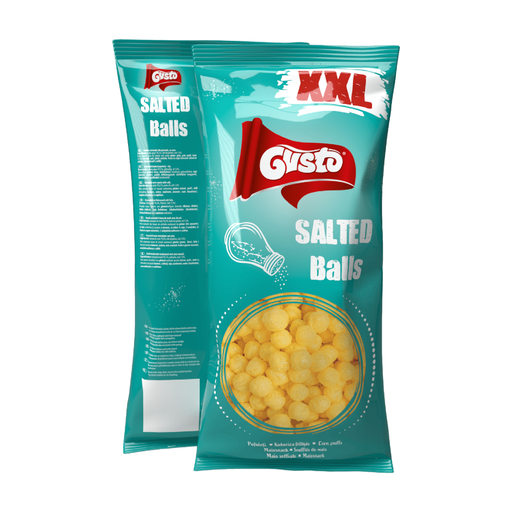
Why this fits the profile: The large pack is designed for sharing during a film night, birthday or drinks gathering. This simple salted corn snack is ideal for anyone wanting to try a familiar flavour first.
The net weight of 300g is clearly stated. Per 100g, 1.5g of salt is listed, and per 30g, 0.45g, so you can estimate the portion.
Light, crunchy texture; suitable for vegetarians according to the product information; stated to contain none of the 14 main EU allergens.
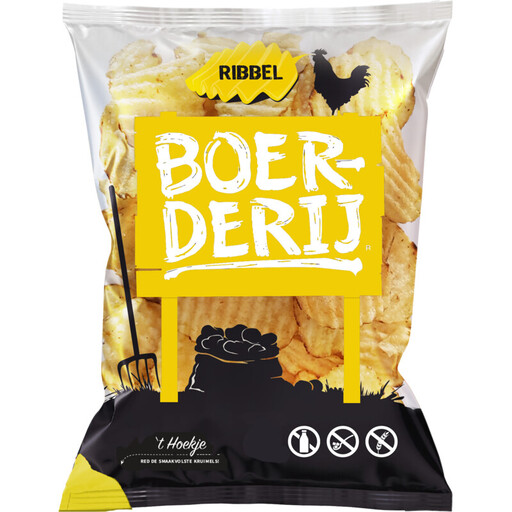
Why this fits the profile: The ridges give extra texture and make these potato crisps ideal for a sharing platter or dip. The product description lists potatoes, sunflower oil and salt as ingredients.
The product information specifically mentions the cooking oil, the salt content of 1g per 100g and the allergen status. This means you don’t have to rely solely on the front of the bag.
Ribbed texture; vegan according to the product description; free from lactose and gluten according to the stated product specifications.
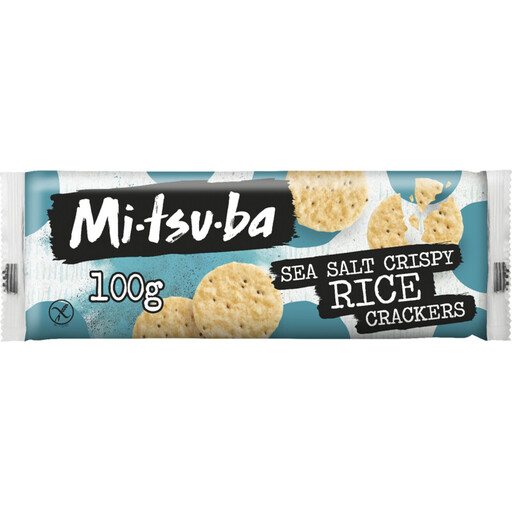
Why this fits the profile: These thin rice crackers with sea salt and chia seeds are ideal for fans of Asian snacks and for anyone looking for an alternative to standard crisps.
The product information explicitly states the base of brown rice and rice, the amount of sea salt and the allergen status. The 100g pack is a manageable size for controlled snacking.
Gluten-free according to the product description; stated to contain none of the 14 main EU allergens; crispy rice texture.
We’ve put together a full, up-to-date list of products that fully meet these strict selection criteria and comply with current European safety regulations.
This varies by product. Rice crackers, some corn snacks and certain crisps can be gluten-free, but always check the current ingredients list and allergen information. Mitsuba Sea Salt Crackers are described in the product information as gluten-free. Wasa Delicate Crackers and Bolletje Spelt Crackers, on the other hand, contain gluten-containing grains.
Store them in a dry, cool place and seal the pack well. A clip or airtight container helps keep them crunchy for longer. Always follow the instructions on the packaging and ideally consume the product soon after opening.
Choose a mix of sizes and textures: a large bag of corn snacks, standard or salted crisps, crackers for dips and a small pack of salted nuts. Check the allergens in advance if several people will be eating. Individual packets, such as those for some peanuts, are practical if you want to divide portions or take snacks with you.
