
Vandaag of morgen in huis

Kwaliteit gegarandeerd

Welkomstaanbiedingen ontgrendelen: GRATIS bezorging | Tot 80% korting | Gratis 30 dagen JoyPlus-proefperiode
Download de app
A bag of salted nuts and seeds might seem straightforward to pick, but the real differences between products often lie in the ingredients, portion size and preparation. Whether you're after salted peanuts for a film night, salted pistachios for drinks with friends, or roasted seeds for snacking on the go, it pays to look beyond the front of the packet.
Terms like "oriental", "spiced" or "tea-flavoured" mainly give you an idea of the flavour direction. They don't automatically tell you how many nuts or seeds the product actually contains. A mix can, for example, contain a lot of starch, flour, sugar or flavourings, and relatively few peanuts or other nuts.
Always check the ingredients list. With g'woon Salted Peanuts, the product information shows the product consists of 99% peanuts, sunflower oil and 0.7% salt. With cocktail nuts, the composition can be very different. g'woon Cocktail Nuts Shanghai, for instance, contains 51% peanuts, alongside potato starch, oils, sugar, garlic and onion.
There is no universal flavour benchmark for "lightly" or "mildly" salted. Look at the nutritional information table and compare the salt content per 100 grams. In the product information provided, this ranges from 0.7 grams of salt per 100 grams for g'woon Salted Peanuts to 3.5 grams for Anatolia Salted Roasted Pumpkin Seeds.
You won't always notice that difference from the product name alone. If you're looking for less salty savoury snacks, it's better to compare the numbers and ingredients rather than relying solely on terms on the packaging.
A 500-gram bag can be practical for a family or for stocking up, but once opened, nuts and seeds lose their crunch if they aren't sealed properly. Smaller packs are more convenient for on-the-go snacking and limit the time the product is exposed to air and moisture.
When comparing buying nuts and seeds, pay attention to the price per 100 grams, the closure type and how you plan to use them. A large bag only makes sense if you use the product regularly.
Read the allergen information, even if you've eaten a similar product before without any issues. Many products contain peanuts, nuts, soya, wheat or sesame. Duyvis Oriental Borrelnootjes, for example, lists peanuts, gluten and soya as allergens, and may contain traces of milk, nuts and mustard.
When choosing between salted almonds, pistachios and seeds, the type of allergen is therefore just as important as the flavour. For children, you should also be aware of the choking hazard warning that appears on the packaging of some whole nuts and seeds.
When you see flavour claims, check the actual ingredients. According to the product description for Qia Qia, the Tea-Flavored Salt-Roasted Pumpkin Seeds are made from pumpkin seeds, salt and green tea. The brand's product description also mentions a sweet aftertaste; this is the supplier's description and not an objective guarantee of flavour.
The selected products range from 100 to 500 grams. A compact 100 or 108-gram pack is ideal for a lunchbox or a film night for one or two people. Sizes from 300 to 500 grams are better suited for sharing, stocking up, or using in salads and baking recipes.
According to the product information, store salted nuts and seeds in a cool, dry place, away from direct sunlight and moisture. Seal the packaging well after opening. Always check the best-before information on the packaging; this can vary from batch to batch.
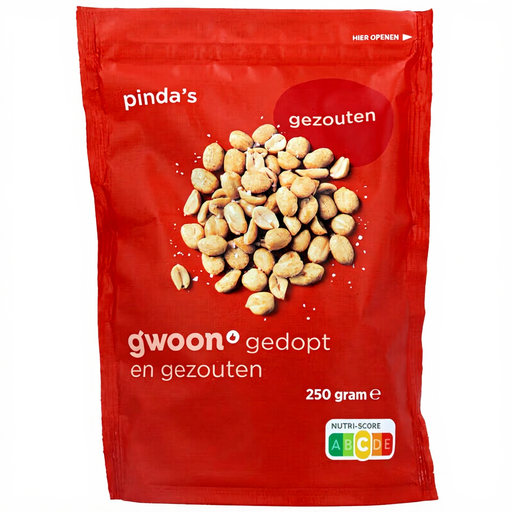
Why this fits the profile: A straightforward choice for anyone wanting to try plain salted peanuts without a spice mix or coating.
The product information states 99% peanuts and 0.7% salt, so the composition is easy to check.
250 grams; short ingredients list; suitable with a drink or for a daily snack.
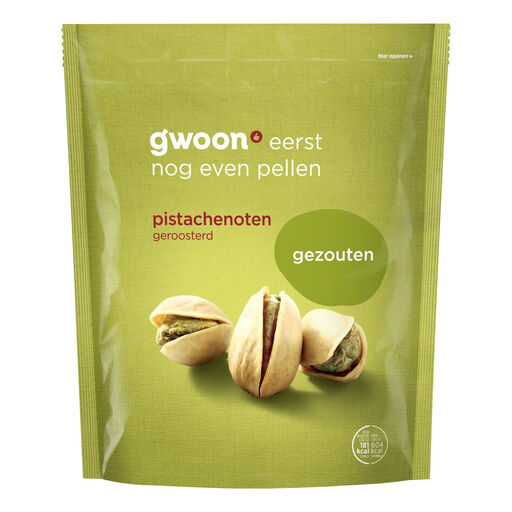
Why this fits the profile: For anyone wanting a specific nut with a clear, simple seasoning for a cheeseboard or nibbles platter.
The ingredients list is limited to 99% pistachios and 1% salt, with no coating or extra flavour mix.
250 grams; clearly stated allergen: pistachio and other nuts; suitable as a standalone snack.
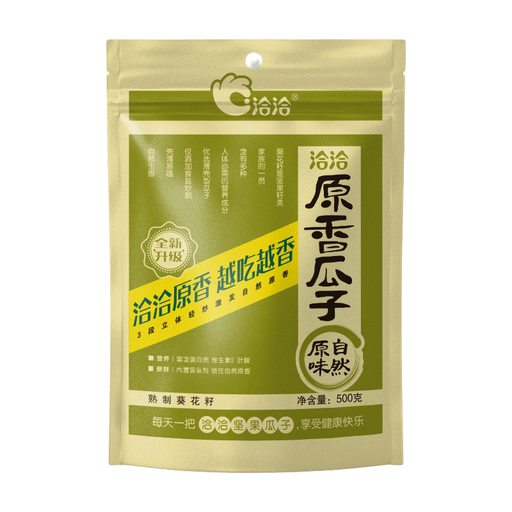
Why this fits the profile: The large size suits regular snacking, sharing with several people, or keeping in the cupboard.
According to the product information, the ingredients are sunflower seeds and salt; there is no lengthy list of spices or coatings.
500 grams; roasted sunflower seeds; salt content of 1 gram per 100 grams according to the stated nutritional information.
We've put together a full, up-to-date list of products that fully meet these strict selection criteria and comply with current European safety regulations.
Salted nuts are usually roasted directly with salt, such as salted almonds, pistachios or peanuts. Cocktail nuts often have an extra layer of starch, flour, oil, sugar and spices. Check the ingredients list if you're looking for a simple product.
Keep them cool, dry and sealed, preferably away from direct sunlight. Moisture reduces their crunchiness. With a large pack, use an airtight container and always follow the storage advice and best-before date on the packaging.
For one or two people, 100 to 250 grams is usually practical. For a group or regular use, packs of 275 to 500 grams are more convenient. Compare the price per 100 grams and choose a pack that you can seal well after opening.
