
Vandaag of morgen in huis

Kwaliteit gegarandeerd

Welkomstaanbiedingen ontgrendelen: GRATIS bezorging | Tot 80% korting | Gratis 30 dagen JoyPlus-proefperiode
Download de app
Wet woodland paths, loose stones and muddy slopes demand more from your shoes than a normal run on tarmac. Even so, choosing solely based on a familiar model or eye-catching marketing label is not advisable. With Salomon trail running shoes, the terrain, water protection, outsole and fit are the main factors determining whether a pair suits the way you use it.
A shoe with GORE-TEX may offer protection against rain and splashes according to its product specifications, but that does not mean you can walk through deep puddles without water getting inside. Water can also enter through the tongue, collar or top of the shoe. A waterproof construction also often reduces ventilation compared with a completely open mesh upper.
So do not focus only on the term Salomon GTX shoes. Also consider the shoe height and how you normally use it. For winter walks, a higher shaft may be more practical than a low trail runner.
Deep lugs are useful on soft woodland ground and mud, but may feel less comfortable on tarmac, hard-packed gravel paths or long stretches of paved road. Shoes for muddy trails generally have a more aggressive tread than models designed for mixed terrain.
An outsole with wide, well-spaced lugs is therefore not automatically suitable for every route. Consider whether you mainly run or walk on woodland ground, rocks, gravel or a combination of these surfaces.
Trail running shoes need to provide sufficient support, but your toes should not hit the front of the shoe on descents. A shoe that is too tight can cause irritation, especially during long walks. A shoe that is too loose may slide around on technical paths.
Try shoes on with the socks you use for running or walking. Also compare the size guide and check whether the model has a standard or wide fit. The Salomon X Ultra 4 Mid Wide GTX, for example, is specifically designed for a wider fit.
For shoes with good grip, two things are important:
No outsole performs identically in every condition. Wet leaves, slippery tree roots and ice are all situations in which you need to adjust your pace and stride length. For winter routes with snow and ice, metal spikes are a separate category. Salomon Spikecross models list 12 tungsten spikes in the outsole, making them specifically suited to winter terrain.
For waterproof trail running shoes, a GORE-TEX membrane is a verifiable part of the product description. The membrane is designed to keep water out while retaining a degree of breathability. Your actual experience will also depend on wear, maintenance, fit and how the shoe fastens.
Use a shoe with a membrane mainly if you often run in rain, wet grass or mud. For warm summer days or long runs in dry conditions, a more breathable upper may feel more comfortable.
A low, flexible trail runner often feels agile. A model with additional support or a higher shaft may be better suited to walking on uneven terrain. Look for terms such as 3D Advanced Chassis, Active Chassis, EnergyCell or EVA in the product specifications. These indicate details about the construction, support and cushioning, but do not by themselves determine which shoe is suitable for every foot.
There are often different fits or colour options for women’s trail running and men’s trail running shoes. Always check the specific product page, as the model name, size range and version may vary between offers.
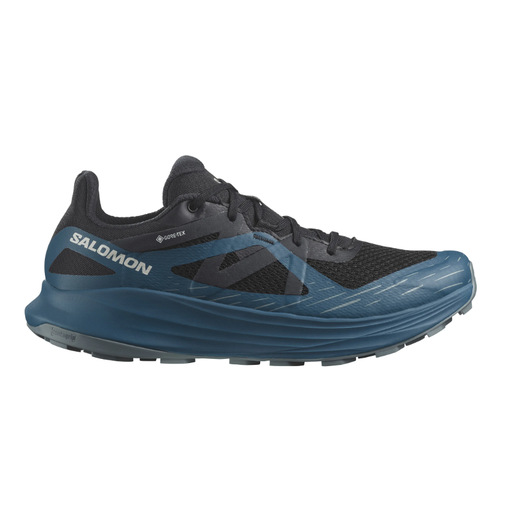
Why it suits this profile: The product specifications combine a GORE-TEX membrane with cushioning and a Contagrip outsole for mixed terrain. This makes it a practical option for anyone who alternates between tarmac and unpaved paths.
The mixed-terrain outsole means you are not limited to a highly aggressive mud tread.
GORE-TEX membrane, EVA cushioning and a design for the transition between road and trail.

Why it suits this profile: This model lists a GORE-TEX membrane, 3D Advanced Chassis, Contagrip outsole and Quicklace system. This combination is well suited to technical paths and changing weather conditions.
The product information highlights both stability and toe and heel reinforcement, so the choice is not based on waterproofing alone.
3D Advanced Chassis, Quicklace and Contagrip according to the listed product specifications.
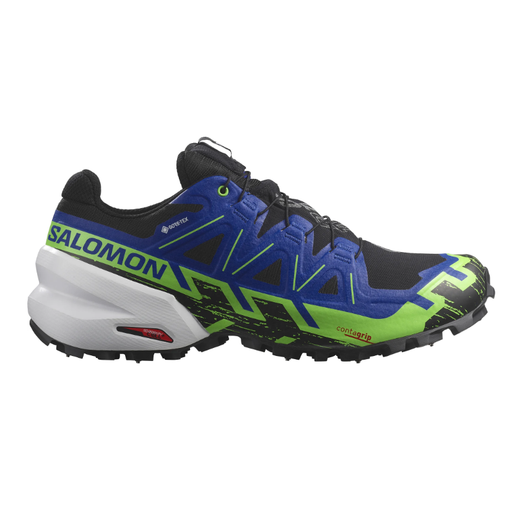
Why it suits this profile: This is a targeted choice for winter trail running and outdoor use on snow or ice. The product description lists full GORE-TEX protection and 12 tungsten spikes.
The spikes make the intended use clearer than a standard tread: this model is not designed as an all-purpose shoe for extensive use on tarmac.
12 listed tungsten spikes and a full GORE-TEX construction for winter conditions.

Why it suits this profile: According to the product information, this mid-cut walking shoe has a wide fit, GORE-TEX membrane and Contagrip outsole. That makes it suitable for long walks and feet that need extra room.
The listed Wide version helps prevent you from choosing a standard fit without considering your foot width.
Wide fit, mid-cut design and GORE-TEX and Contagrip specifications.
We have put together a complete, up-to-date list of products that fully meet these strict selection criteria and the applicable European safety regulations.
After use, gently rinse off mud with lukewarm water and use a soft brush. Check the care instructions on the label; some models must not be put in the washing machine and should not be dried on a radiator or with a tumble dryer. High heat can damage materials and membranes.
Lifespan depends on the surface, how often you run, body weight, care and tread wear. Replace your shoes when the outsole becomes visibly smooth, the cushioning noticeably changes, or the upper and seams become damaged. According to the product information, the statutory guarantee for these products is at least 2 years under EU consumer law. This is separate from normal wear and tear, and any claim will depend on the circumstances.
They can be, particularly in rainy weather and for walks on unpaved terrain. For everyday use mainly on tarmac, a less aggressive tread may feel more comfortable. Choose a model with enough room for your toes and check that the size is suitable for the socks you usually wear.
Models in the Speedcross range list an aggressive Contagrip tread with deep lugs, making them suited to soft, loose and muddy ground. The exact level of grip depends on the surface and conditions. For ice and hard-packed snow, the Spikecross version with 12 spikes is the more specialised choice.
Allow mud to dry first, then gently brush it off. Clean the shoes with lukewarm water according to the care label. Do not use bleach, a washing machine, tumble dryer or direct heat unless the manufacturer expressly permits it. After cleaning, also check the Quicklace fastening and seams for damage.
