
Vandaag of morgen in huis

Kwaliteit gegarandeerd

Welkomstaanbiedingen ontgrendelen: GRATIS bezorging | Tot 80% korting | Gratis 30 dagen JoyPlus-proefperiode
Download de app
Salomon shoes are made for a range of activities, from trail running on muddy forest paths to winter hikes and everyday wear in the city. But it’s not a good idea to choose based only on the brand, a striking look or the term GORE-TEX. The right choice depends above all on the terrain, fit, weather conditions and how you plan to use the shoes.
A deep, aggressive tread can offer plenty of grip on soft ground, but it may feel less comfortable on tarmac and can wear down faster. The Salomon Speedcross range, for example, is designed for soft, muddy and mixed trails. For everyday walks on pavements, tarmac and surfaced cycle paths, a less pronounced tread may be more practical.
Salomon GTX shoes and other GORE-TEX shoes have a membrane that, according to the product description, helps provide water resistance and breathability. That doesn’t mean water can never get in through the tongue, collar or top of the shoe. A waterproof shoe may also feel warmer than an open-mesh model.
So think about what you need the shoes for. Waterproof outdoor shoes are useful for wet grass, rain and mud. For dry summer trails, a more breathable model may be more comfortable.
A shoe can be the right length and still feel uncomfortable. Also consider:
If you have wide feet, it’s better to look specifically for a wide-fit version than to order a standard model in a larger size. A shoe that’s too long may actually feel less stable.
The sole determines how suitable a shoe is for different terrain. Contagrip TA is linked in the product descriptions of certain Speedcross models to deep lugs and grip on loose or soft ground. This makes it suitable for mud, forest trails and wet routes.
According to the product descriptions, X Ultra models use a Contagrip MA sole, designed to provide grip across different types of terrain. This makes them a more natural choice for walking and trekking on a mix of rocky paths, forest trails and surfaced routes.
The sole is especially important in winter conditions. According to its product description, the X Ultra 4 Mid Winter TS has a Winter Contagrip sole, combined with insulation. It’s a more specialised choice for snow, cold-weather walks and wet winter paths than a lightweight trail model.
A GORE-TEX membrane is particularly useful in rain, wet vegetation and muddy conditions. Do check that the specific model is actually offered as GTX or GORE-TEX, though. Not every Salomon trail shoe is waterproof.
A waterproof construction may not let air circulate as freely as a full-mesh upper. For long summer runs, non-waterproof trail running shoes may therefore feel more comfortable. Salomon GORE-TEX shoes are often more practical in autumn and winter, especially if you regularly walk through wet grass or puddles.
A mid-cut model covers part of the ankle and can feel more secure on uneven ground. The product descriptions for the X Ultra 4 Mid GTX and X Ultra 360 Mid GTX mention a mid-height construction and extra ankle support.
That doesn’t mean a mid-cut model is automatically essential for everyone. For fast runs, a low-cut shoe is often lighter and more flexible. For long walks, trekking or carrying a rucksack, a model with more stability and a secure heel may be a better fit for your needs.
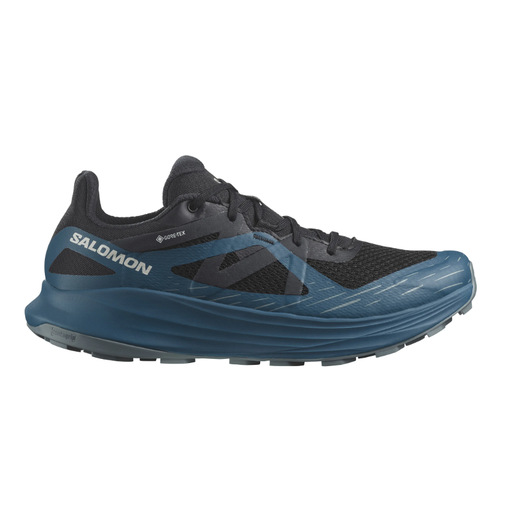
Why it suits this type of user: According to the product description, this model is designed for a mix of road and trail use. It’s a good choice if you want one pair for everyday mileage, surfaced paths and light trails.
Its versatility means you don’t have to choose an aggressive mud tread for routes that are mostly on tarmac. The GTX version is designed for wet conditions.
GORE-TEX membrane, extra cushioning and a Contagrip sole for road and trail use, according to the product description.
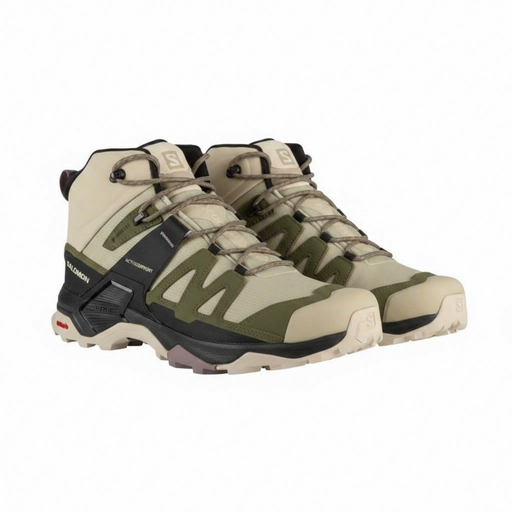
Why it suits this type of user: This hiking shoe is a good match for hikers who value stability, protection and water resistance on longer walks and uneven terrain.
The mid-cut construction and EnergyCell midsole mentioned in the product information offer an alternative to a low-cut running shoe when ankle support and cushioning matter more.
GORE-TEX, a mid-cut design and a Contagrip MA sole, as listed in the product information.

Why it suits this type of user: According to the product description, this women’s trail running shoe is designed for muddy and mixed terrain. It’s a good match for regular trail runs in forests, dunes and on soft ground.
The deep tread is designed for the stated use on soft and loose ground, not just for looks. If you’ll be running on a lot of tarmac, another type of shoe makes more sense.
GORE-TEX, Contagrip TA with deep lugs, Quicklace and an EnergyCell+ midsole, according to the product description.
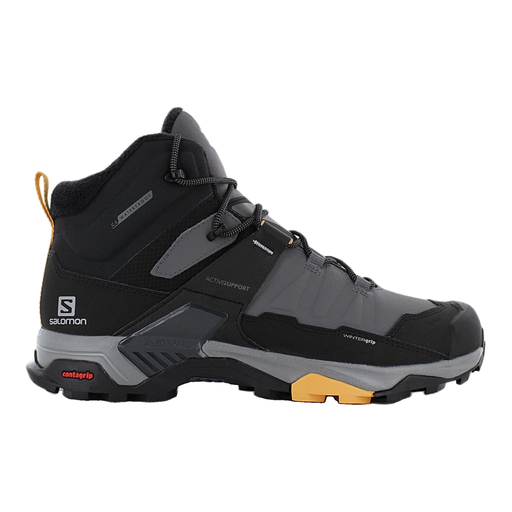
Why it suits this type of user: This model is designed for cold-weather walks, snow and winter trekking. Its higher ankle coverage and insulated lining make it suitable when warmth matters.
You’re not just choosing a waterproof shoe: according to the product information, this model also has Thinsulate insulation and a Winter Contagrip sole.
Thinsulate insulation, waterproof construction and Winter Contagrip for snow and cold conditions.
We’ve put together a complete, up-to-date list of products that meet these strict selection criteria and the applicable European safety requirements.
Measure both feet at the end of the day and use your larger foot as a guide. Try shoes on with the socks you’ll wear when walking or running. With hiking shoes that provide ankle support, your heel should stay in place while your toes still have room on descents.
Clean your Salomon shoes after use with a soft brush and lukewarm water. Always follow the care label or packaging. According to the product information, models such as the X Ultra 4 Mid GTX must not be machine-washed and should be left to dry away from direct heat. Heat can damage materials, adhesives and membranes.
Most of the products mentioned come with a statutory guarantee of at least two years under EU consumer rules. This is separate from normal wear and tear. Keep your proof of purchase and check the size, seams, sole and fastenings when your shoes arrive.
It depends on the model. A lightweight shoe with a mixed-terrain sole, such as the Ultra Flow GTX, may suit everyday walks and light trails. A Speedcross model with deep lugs is better suited to soft ground and may be less practical on routes with a lot of tarmac.
According to the product description, a GORE-TEX membrane is designed to keep water out while supporting breathability. The level of protection also depends on the tongue, seams, wear and tear, and how deep you walk through water. No low-cut shoe can offer a complete guarantee if you’re wading through deep puddles for a long time.
Their lifespan depends on the terrain, your gait, body weight, care routine and how often you wear them. Check the tread, cushioning, seams and heel construction regularly. If the grip has worn down or you can see damage, it’s time to stop using the shoes on demanding trails.
