
Vandaag of morgen in huis

Kwaliteit gegarandeerd

Welkomstaanbiedingen ontgrendelen: GRATIS bezorging | Tot 80% korting | Gratis 30 dagen JoyPlus-proefperiode
Download de app
When the temperature drops and the trails turn slippery, a good pair of winter boots is not a luxury, but a necessity. You're specifically looking for the Salomon X Ultra 4 Mid Winter for women, which indicates you already have an idea of what you want. However, the hiking boot market is filled with marketing claims that don't always reflect reality. Before you make a decision, it's important to know a few common pitfalls that can mislead even experienced hikers.
To ensure you invest in boots that will actually keep you warm, dry, and stable, there are a few technical specifications that make all the difference.
A true waterproof winter hiking boot for women has a built-in waterproof and breathable membrane. This is a layer of material inside the boot that blocks water droplets from the outside while allowing water vapour (sweat) to escape from the inside. Technologies like GORE-TEX or Salomon's own ClimaSalomon Waterproof (CSWP) offer this guarantee. A simple coating does not and wears out after a short time. Therefore, always check if the boot has a full-fledged membrane.
Good insulated hiking boots for women use technical insulation materials. A popular choice is Thinsulate, a synthetic insulation that offers a great deal of warmth with relatively little volume. The amount is often indicated in grams (e.g., 200g). This type of insulation keeps your feet warm without making the boot bulky and heavy, and it continues to perform even when damp. This is a significant difference compared to a simple fleece lining.
For hiking boots for snow and ice, the rubber compound and the tread pattern of the sole are crucial. Winter conditions require a softer rubber compound that remains flexible at low temperatures, combined with a lug pattern that bites into snow and ice. Salomon, for example, uses its Winter Contagrip sole for this purpose. Additionally, a high-cut winter hiking boot for women provides essential ankle support, significantly reducing the risk of sprains on uneven and slippery terrain.
Based on these criteria, we have highlighted a number of Salomon winter boots and similar models that suit different needs.
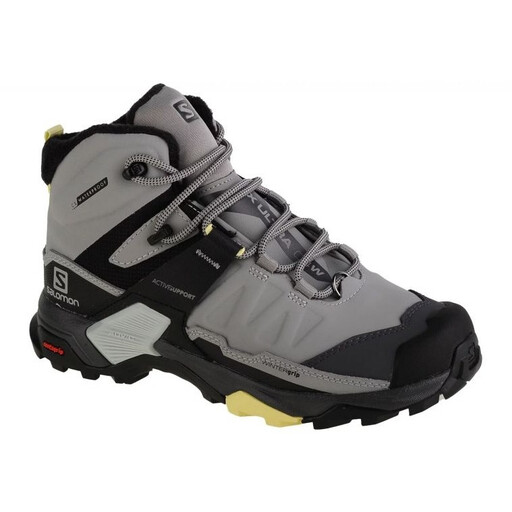
Why This Fits Their Persona: Specifically designed for women who aren't deterred by cold, snow, or ice. Ideal for treks through winter landscapes, from local trails to mountain paths.
This boot combines a waterproof membrane, 200g Thinsulate insulation, and a Winter Contagrip outsole. It directly addresses all three pitfalls.
Offers specialized winter performance and stability (ADV-C Chassis) without feeling bulky or heavy, keeping you agile.
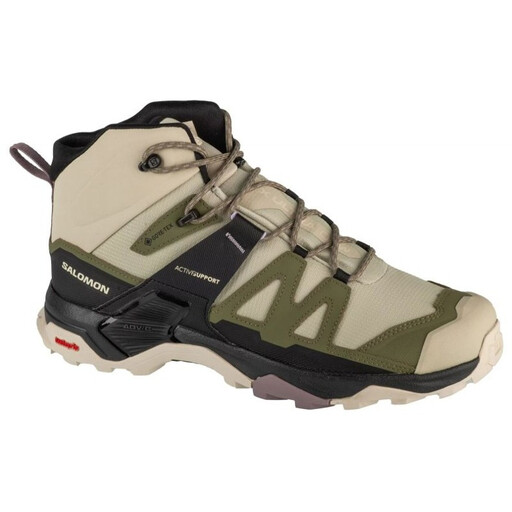
Why This Fits Their Persona: For those seeking a single, sturdy, waterproof boot for multiple seasons. Perfect for autumn hikes and walks on milder, wet winter days.
Features a full GORE-TEX membrane, avoiding the 'coating' pitfall. The Contagrip MA sole provides reliable grip on wet and dry surfaces.
Delivers guaranteed waterproof protection and ankle support in a lightweight package, making it suitable for 3-season use.
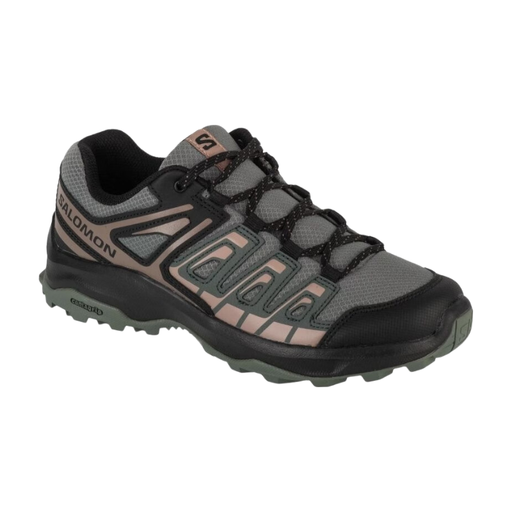
Why This Fits Their Persona: For the hiker looking for a comfortable, reliable shoe for a walk in the woods or a stroll through the park, even when it's wet, but not in extreme cold.
Focuses on a comfortable fit (SensiFit) and an All Terrain Contagrip sole. This provides much better baseline grip than a generic trainer, partially overcoming the 'wrong grip' pitfall.
Lightweight comfort and reliable grip for daily use and light hikes. A good step up from a standard sneaker.
We have compiled a complete, real-time list of products that fully satisfy these strict selection criteria and UK safety regulations.
Salomon boots are known for having a somewhat narrower fit. It is advisable to consult the manufacturer's size chart and to account for wearing thicker winter socks. If you are between two sizes, it is often wise to choose a half size larger to ensure enough room.
The 200g Thinsulate insulation in the X Ultra 4 Winter is designed for 'active cold'. This means it provides warmth when you are stationary but also breathes well during hiking to prevent overheating. For a typical UK winter, which is often wet and chilly around the freezing point, this is a very suitable amount of insulation.
Clean the boots after use with a soft brush and lukewarm water to remove mud and dirt. Always let them dry naturally, away from direct heat sources like a heater or radiator, as this can damage the material. To maintain the water-repellent properties of the outer material, you can periodically treat the boots with a waterproofing spray suitable for footwear with a breathable membrane.
